Alberta Seeks National Interest Status for West Coast Oil Pipeline
The move could create a new export route for Canadian crude, potentially impacting Bakken crude competition for capacity on existing systems.
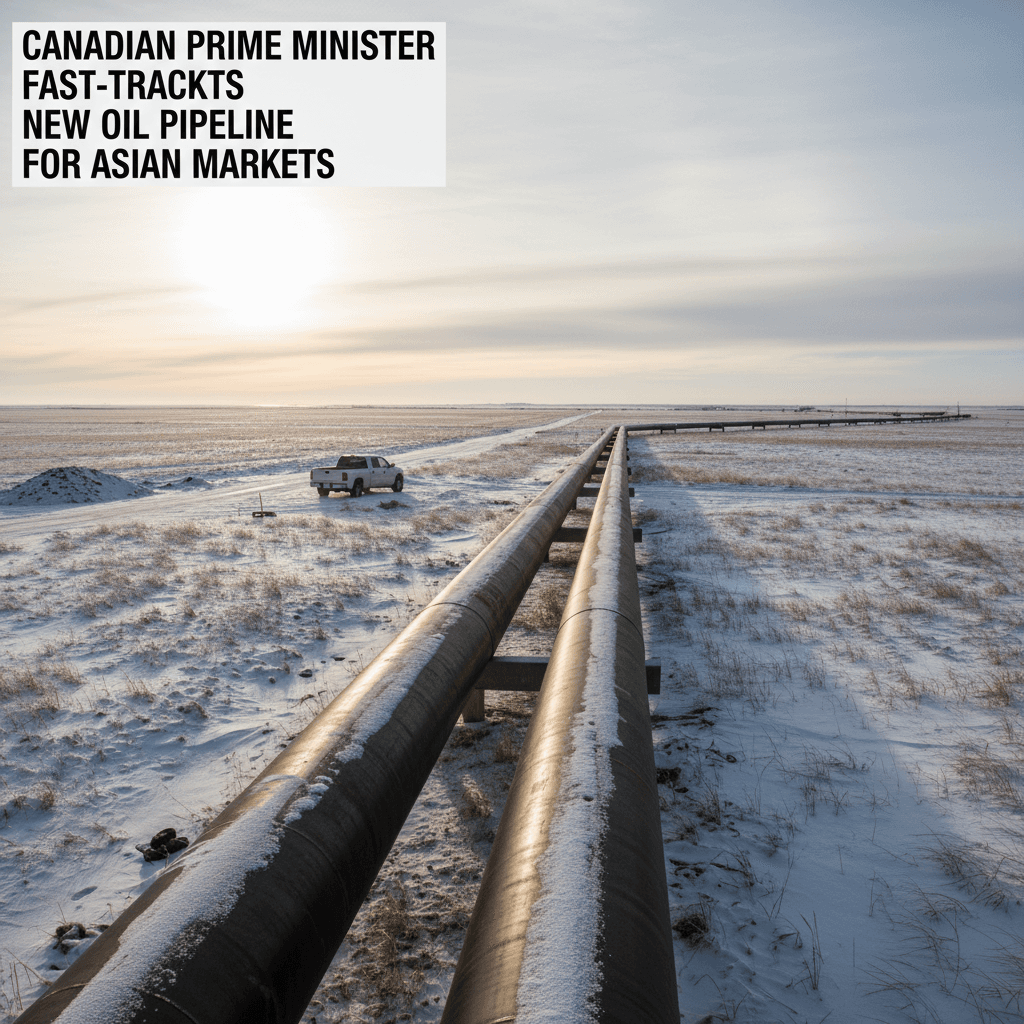
The government of Alberta has applied to formally designate the proposed West Coast Oil Pipeline project as a project of national interest, according to a report from Rigzone. The application, made on July 3, 2026, seeks to advance the development of a new gateway for Alberta's oil sands crude to reach ports in British Columbia for eventual export to Asia.
For operators in North Dakota's Bakken formation, the advancement of a major new Canadian export pipeline carries significant long-term market implications. The Bakken currently relies on a network of pipelines, rail, and trucks to move crude to market, with a portion of its production also moving north into Canada.
The creation of a new high-volume export route from Alberta could alter crude flow patterns and competition for space on continental pipeline systems. If built, the West Coast Oil Pipeline would provide Canadian producers with enhanced access to international markets, potentially reducing their reliance on moving crude into the U.S. Midwest.
This development could affect Bakken crude in several ways. Reduced Canadian crude volumes heading south could free up pipeline capacity within the U.S. for domestic light sweet crude from the Bakken. Conversely, a more competitive Canadian oil sands sector with better market access could influence global pricing benchmarks that also affect Bakken crude.
The project's designation as being in the "national interest" of Canada is a procedural step that could streamline regulatory approvals. The proposed route to the British Columbia coast has historically faced significant environmental and political opposition. The ultimate construction and timeline of the pipeline remain uncertain.
Source
Rigzone