WTI Crude--
Brent Crude--
Natural Gas--
ND Rig Count--
WTI Crude--
Brent Crude--
Natural Gas--
ND Rig Count--
Alberta Seeks National Status for West Coast Oil Pipeline - Bakken Wire
Pipeline & Infrastructure

Alberta Seeks National Status for West Coast Oil Pipeline

The move to designate a new oil sands export route could impact Bakken crude pricing and regional pipeline capacity competition.

Bakken Wire Staff·🔆Midday Wire·

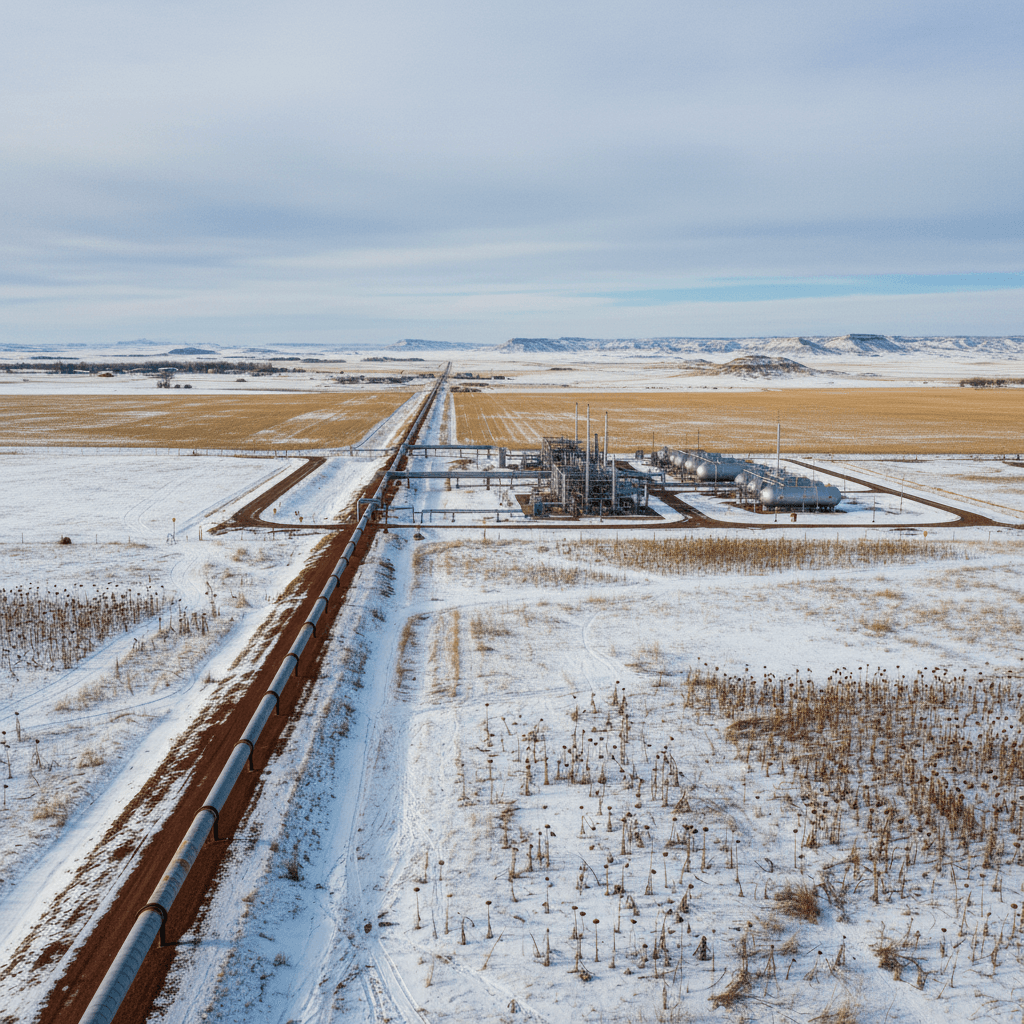
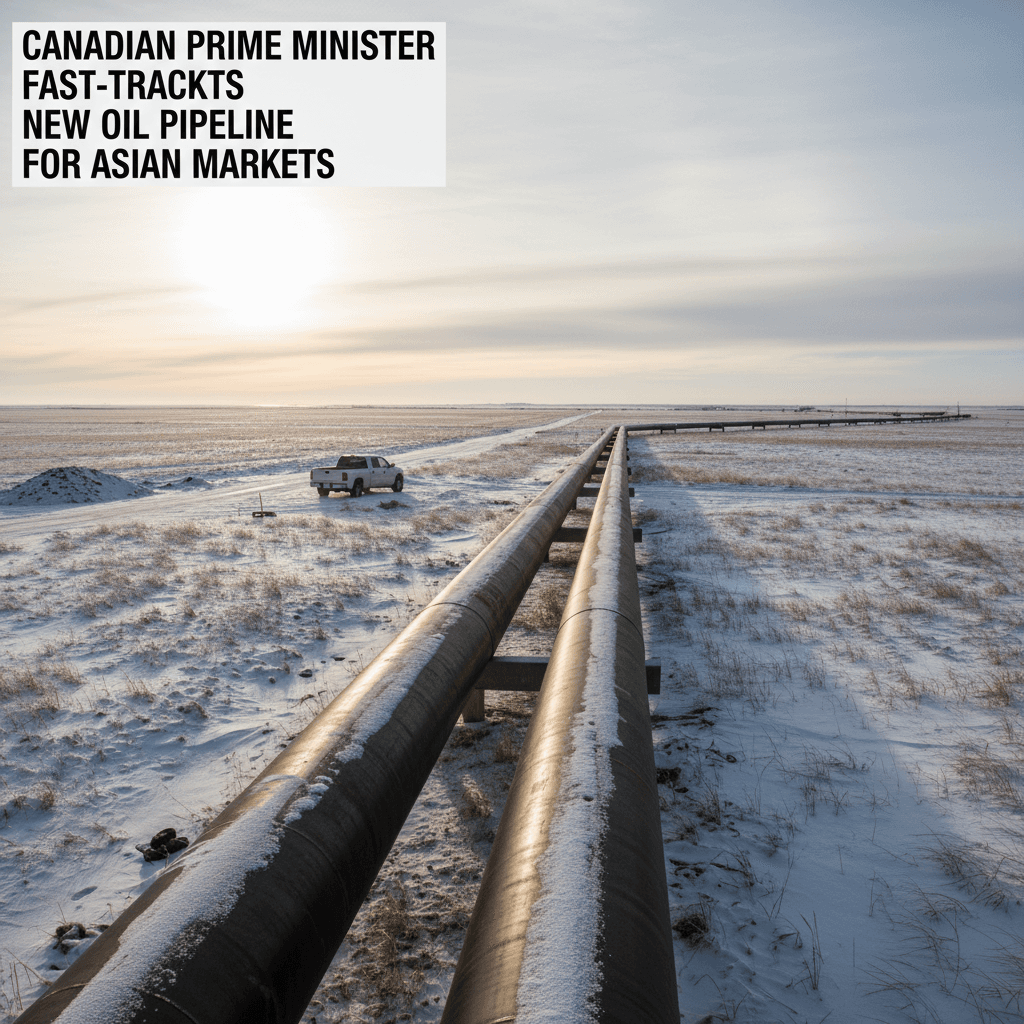
The government of Alberta has applied to have its proposed West Coast Oil Pipeline project listed as a project of national interest, according to a report from Rigzone. The project is envisioned as a new gateway for Alberta's oil sands crude to reach British Columbia ports for potential export to Asia.

For Bakken Shale operators in North Dakota, the advancement of a major new Canadian export pipeline carries significant market implications. Increased pipeline capacity from Western Canada could influence the competitive landscape for crude shipments out of the continent's interior. Bakken crude, which also seeks access to coastal markets, often competes for space on pipelines that move through the same corridors.

The designation as a project of national interest, if granted, could streamline the regulatory process for the Alberta-led project. A new large-volume pipeline to the West Coast would provide Canadian producers with an alternative to the U.S. Gulf Coast, potentially altering crude flow patterns and basis differentials across North America.

The development underscores the ongoing competition for limited pipeline infrastructure to coastal waters. Bakken production has long relied on a combination of pipelines, rail, and local refining. Any major change in continental pipeline capacity and flow can affect the pricing dynamics for North Dakota crude relative to global benchmarks.

The Rigzone report did not specify a timeline for the application or the proposed pipeline's capacity. The project aims to move oil sands production from Alberta to tidewater in British Columbia.

Source

Rigzone
pipelineinfrastructurealbertacanadaexportsbakken

Share this article

Related Articles

Standing Rock Pipeline Protests Mark 10-Year Anniversary, Recalling 2016 Flashpoint - Bakken Wire
Pipeline & Infrastructure

Standing Rock Pipeline Protests Mark 10-Year Anniversary, Recalling 2016 Flashpoint

The protests over the Dakota Access Pipeline (DAPL) reached a critical flashpoint in early September 2016, an event marking its 10-year anniversary this week, according to a report from the North Dakota Monitor. The $3.7 billion crude oil pipeline project ignited a months-long conflict after the U.S. Army Corps of Engineers approved its route half a mile outside the Standing Rock Sioux Reservation. The decision framed a national debate pitting American energy infrastructure against tribal sovereignty and environmental concerns. While developers and state officials argued modern steel pipelines were safer for fossil-fuel transit than railroads or trucks, the Standing Rock Sioux Tribe and a growing movement of allies contended the project threatened water sources, sacred sites, and the environment. What began as a smaller protest swelled into a major encampment south of Bismarck, drawing thousands of Indigenous people and activists from around the world. High-profile supporters, including actors Shailene Woodley...

🔆Midday Wire·Sep 6
Pipeline & Infrastructure

Decade Since DAPL Protests Began, Standing Rock Flashpoint Remembered

This week marks ten years since protests over the Dakota Access Pipeline (DAPL) intensified into a major conflict at the Standing Rock Sioux Reservation in North Dakota. According to a report from the Williston Herald, the world's attention turned to the state in early September 2016 after the U.S. Army Corps of Engineers approved plans for the $3.7 billion crude oil pipeline half a mile outside the reservation. The decision sparked a months-long standoff that pitted American energy development against tribal sovereignty. A grassroots movement of Indigenous protesters and allies from around the world argued the project threatened water supplies, sacred tribal sites, and the environment. Developers and state officials, meanwhile, maintained that modern steel pipelines offered safer fossil-fuel transit than railroads or trucks. Thousands of people, including Native Americans and climate activists, flocked to the plains south of Bismarck. Their numbers grew to the point of threatening to overwhelm...

☀️Morning Wire·Sep 6
Pipeline & Infrastructure

Standing Rock Pipeline Protests Reached Critical Flashpoint 10 Years Ago

The protest movement against the Dakota Access Pipeline (DAPL) reached a major flashpoint in early September 2016, drawing thousands to the Standing Rock Sioux Reservation and igniting a national debate over energy and tribal rights. According to a report from the North Dakota Monitor via Bing News, the conflict intensified after the U.S. Army Corps of Engineers approved plans for the $3.7 billion crude oil pipeline to run half a mile outside the reservation. The project created a stark confrontation between American energy infrastructure and tribal sovereignty. Pipeline developers and state officials argued that modern steel pipelines offered safer fossil-fuel transit than railroads or trucks. Meanwhile, the Standing Rock Sioux Tribe, led by then-Chairman Dave Archambault II, and allies contended the pipeline threatened water sources, sacred sites, and the environment. What began as a smaller protest swelled into a major encampment on the plains south of Bismarck. Thousands of Indigenous...

🌅Afternoon Wire·Sep 5