WTI Crude--
Brent Crude--
Natural Gas--
ND Rig Count--
WTI Crude--
Brent Crude--
Natural Gas--
ND Rig Count--
Army Corps Issues Final Decision on Dakota Access Pipeline - Bakken Wire
Pipeline & Infrastructure

Army Corps Issues Final Decision on Dakota Access Pipeline

The Record of Decision resolves long-term regulatory uncertainty for the critical Bakken oil conduit.

Bakken Wire Staff·☀️Morning Wire·

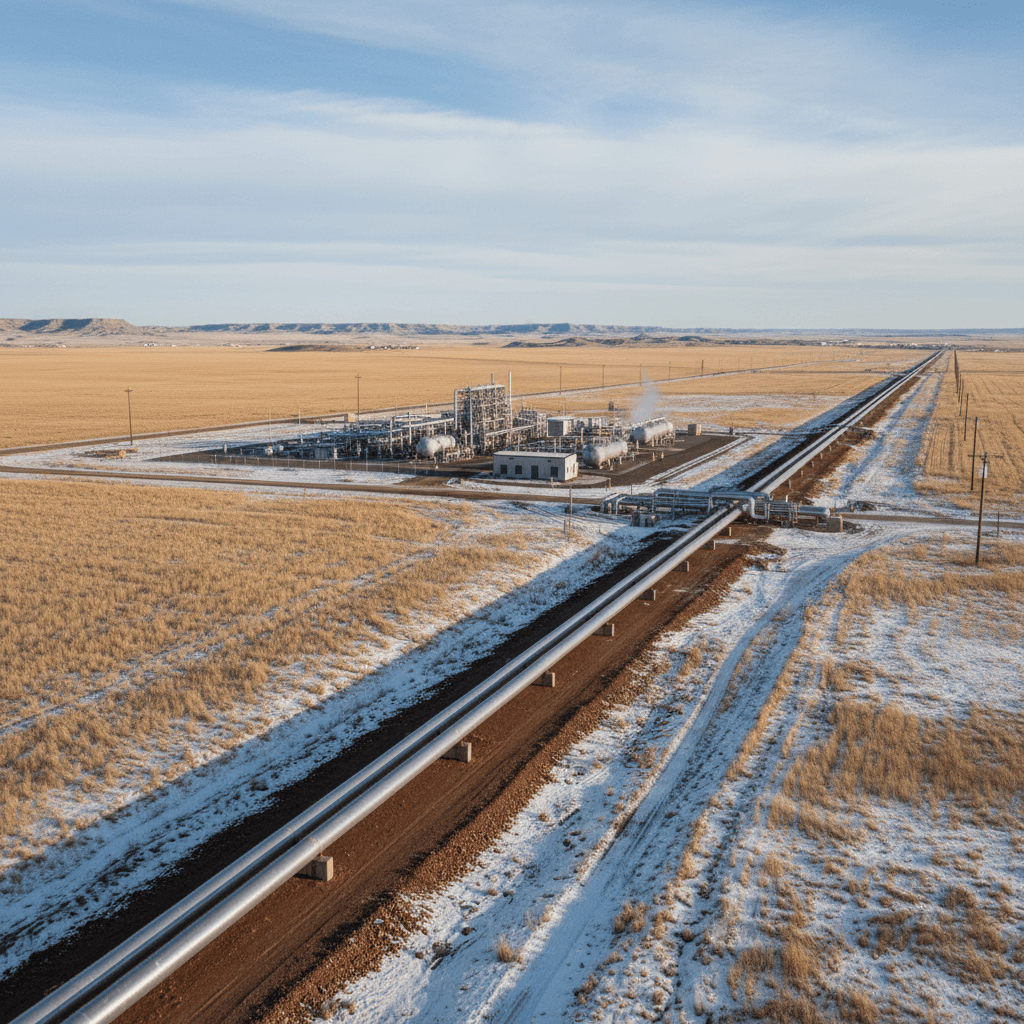
The U.S. Army Corps of Engineers has issued a final Record of Decision for the Dakota Access Pipeline (DAPL), according to a report from Bing News. The decision, published on May 20, 2026, is described as putting to rest future regulatory uncertainty surrounding the pipeline's operations and legal standing.

The Dakota Access Pipeline is a critical piece of infrastructure for the Bakken formation, transporting crude oil from North Dakota's oil fields to a market hub in Patoka, Illinois. For years, the pipeline's federal easement and environmental review process have been subject to legal challenges and regulatory scrutiny, creating a backdrop of operational risk for shippers.

For Bakken operators and royalty owners, a final Record of Decision from the lead federal permitting agency provides a more stable long-term outlook. Regulatory certainty is crucial for planning production, securing financing, and negotiating midstream contracts. The resolution of this process allows companies to rely on DAPL's capacity with greater confidence, supporting the basin's overall takeaway capability.

While the specific contents of the decision were not detailed in the source report, the issuance of a Record of Decision typically represents the final step in a federal environmental review process under the National Environmental Policy Act (NEPA). This action by the Army Corps concludes its latest review and is a significant milestone, though the pipeline could still face legal challenges from opposing groups based on the finalized record.

The development is seen as a positive signal for midstream infrastructure in the Williston Basin, reinforcing the role of established pipelines in the region's energy logistics network. The focus for operators now shifts to market conditions and optimizing flow on this and other available routes to the Gulf Coast and other refining centers.

Source

Bing News
dakota access pipelinedaplarmy corps of engineersregulationinfrastructurebakkenmidstream

Share this article

Related Articles

Pipeline & Infrastructure

Canada Moves to Fast-Track Oil Pipeline for Asian Markets

Canadian Prime Minister Mark Carney is invoking new powers to fast-track regulatory approval for a major new oil pipeline, according to a report from Rigzone. The move aims to expand Canada's access to Asian crude markets. While the specific pipeline project was not named in the report, the push for increased export capacity from Canada represents a significant shift in North American energy infrastructure policy. For Bakken operators, the development carries both competitive and logistical considerations. Increased pipeline capacity from Western Canada could influence crude pricing benchmarks across the continent, including the Bakken's own local price at Clearbrook, Minnesota. Greater volumes of Canadian crude reaching global markets can affect the supply-demand balance for similar light sweet crudes produced in the Williston Basin. Historically, pipeline constraints have limited Canadian crude to primarily U.S. Midwest markets, keeping a lid on prices. A new high-capacity outlet to Asia could alter that dynamic, potentially...

☀️Morning Wire·Oct 4
Canadian Prime Minister Fast-Tracks New Oil Pipeline for Asian Markets - Bakken Wire
Pipeline & Infrastructure

Canadian Prime Minister Fast-Tracks New Oil Pipeline for Asian Markets

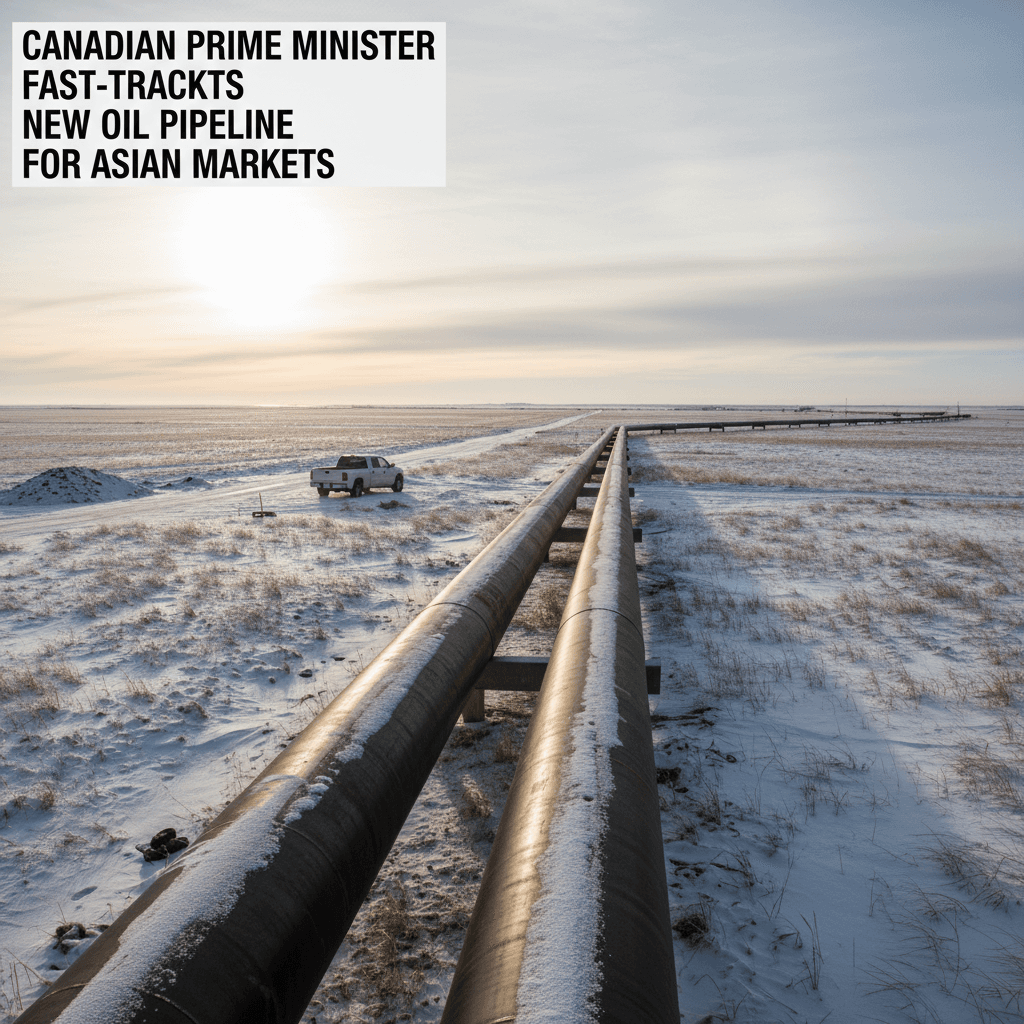
Prime Minister Mark Carney has invoked new powers to expedite regulatory approval for a new, high-capacity oil pipeline, according to a report from Rigzone. The move aims to expand Canada's access to Asian markets. The development, reported on October 2, signals a renewed push by Canada to move its crude oil to West Coast export terminals. For Bakken operators in North Dakota, new Canadian pipeline capacity can influence regional market dynamics. Increased pipeline takeaway capacity from Western Canada can affect the flow of competing crudes, including Bakken barrels, through existing midcontinent pipeline systems. Changes in these flows can impact local basis differentials—the difference between the price of Bakken crude at the wellhead and the U.S. benchmark price. While the Rigzone report did not specify a pipeline route or capacity, any major new Canadian export conduit could alter crude oil logistics in North America. Bakken crude often moves to market via...

🔆Midday Wire·Oct 3
Pipeline & Infrastructure

Canada Moves to Fast-Track Oil Pipeline for Asian Market Access

Canadian Prime Minister Mark Carney is expediting regulatory approval for a new, high-capacity oil pipeline intended to expand Canada's access to Asian markets, according to a report from Rigzone. The report, published October 2, stated Carney has invoked new powers to fast-track the project. The development highlights ongoing efforts by North American producers to reach lucrative overseas markets beyond domestic and traditional refining hubs. Increased Canadian export capacity to Asia could influence global crude pricing benchmarks and shipping routes. For operators in North Dakota's Bakken formation, new Canadian pipeline capacity represents a shifting competitive landscape. Bakken crude, which primarily moves to market via pipelines, rail, and truck, often competes with Canadian heavy and light crude grades in the U.S. Midwest and Gulf Coast refining markets. Enhanced Canadian access to Asian buyers could, over time, alter flow patterns and competition for pipeline space within the continent. However, the specific impact on...

🌅Afternoon Wire·Oct 2