Bakken Rig Count Holds at 26 for Second Straight Week
North Dakota's active drilling fleet shows stability in late June, maintaining a one-rig gain over the past month.
The number of active drilling rigs in North Dakota remained unchanged at 26 on Sunday, June 21, according to live data from Bakken Wire. The state's rig count showed no day-over-day movement, with no new rigs added, no rigs removed, and no rigs moving locations.
This marks the second consecutive week of stability for the Bakken formation's drilling activity. The rig count also stood at 26 one week ago, on June 14. Compared to one month prior, the current fleet represents a modest gain of one rig, up from the 25 rigs reported on May 22.
The steady rig count occurs amid a period of careful capital discipline by exploration and production companies operating in the Williston Basin. Operators are typically focused on generating free cash flow and returning value to shareholders, which can lead to stable or gradually changing drilling programs rather than rapid expansion. The current level of activity is sufficient to maintain Bakken oil production, which has historically hovered around 1.2 to 1.3 million barrels per day with a rig count in this range.
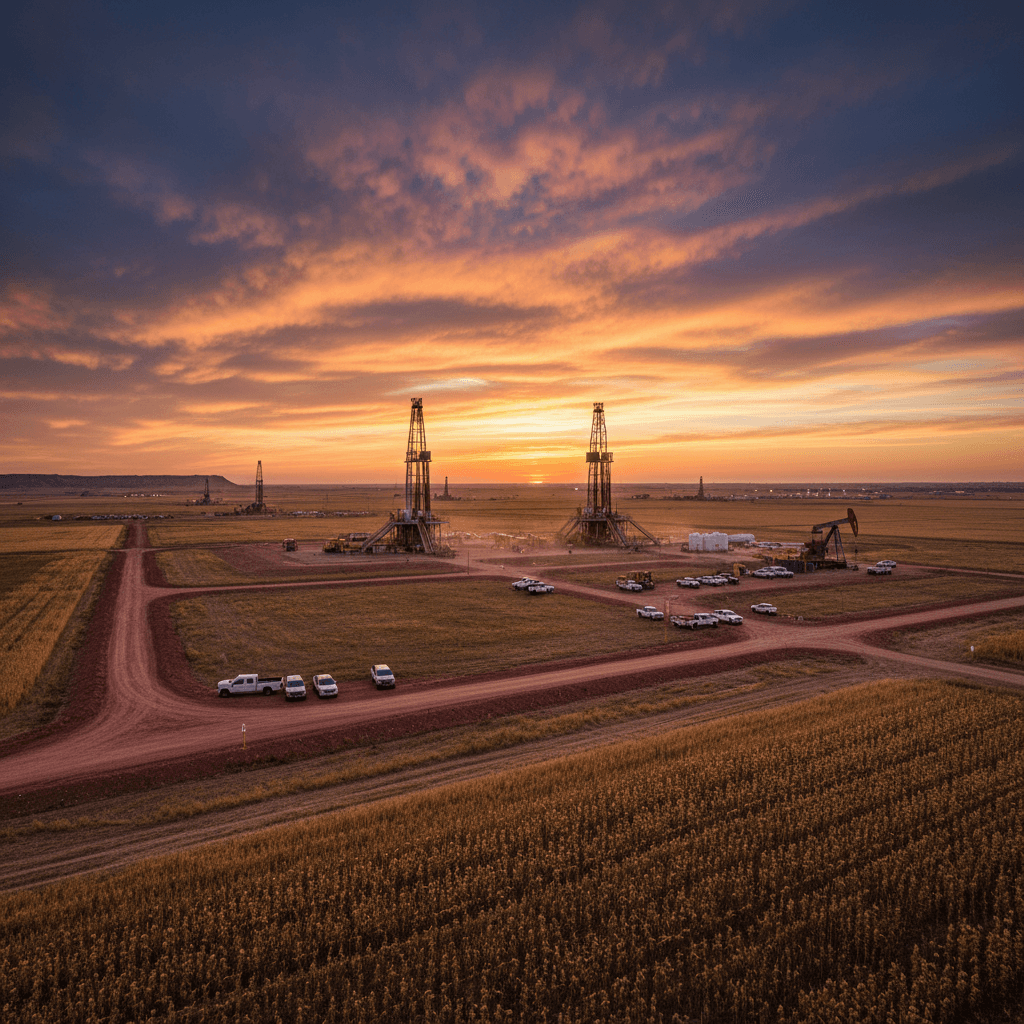
A rig count in the mid-20s reflects a mature phase for the Bakken play, where drilling is concentrated in the core counties of McKenzie, Mountrail, Dunn, and Williams. These areas offer the highest returns and most predictable results, allowing operators to efficiently deploy capital. The consistency over the past week suggests no major shifts in operator budgets or immediate plans for the near term.
The stability in the rig fleet is a key indicator for service companies, royalty owners, and local economies in western North Dakota. While not indicating growth, a steady count helps maintain employment and activity levels for oilfield services, from hydraulic fracturing crews to transportation. Market observers will watch for any changes in the coming weeks that could signal a shift in operator sentiment in response to crude oil price movements or changes in corporate strategy.
Source
Bakken Wire live rig data and historical context