Bakken Rig Count Holds at 27 for Second Week
Activity remains flat day-over-day but is up four rigs from a month ago, as industry faces questions about its long-term future.
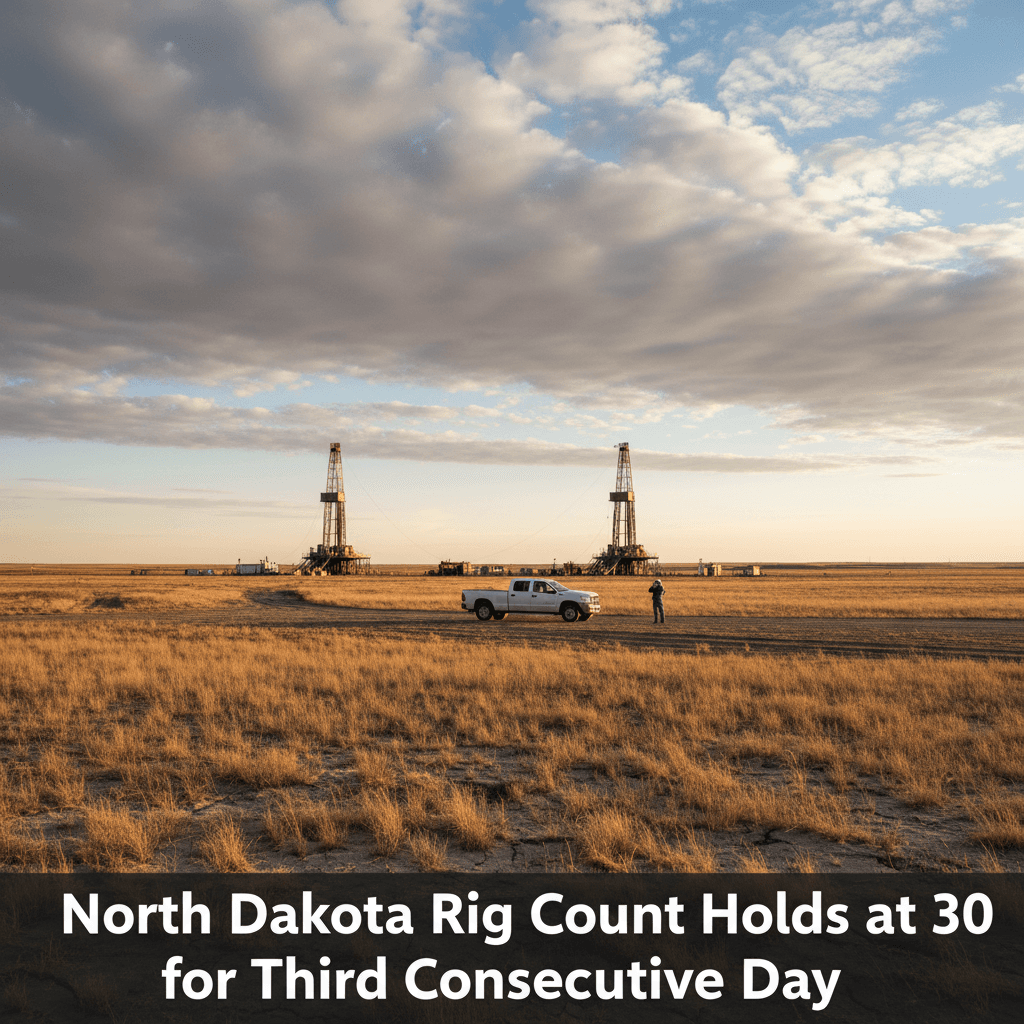
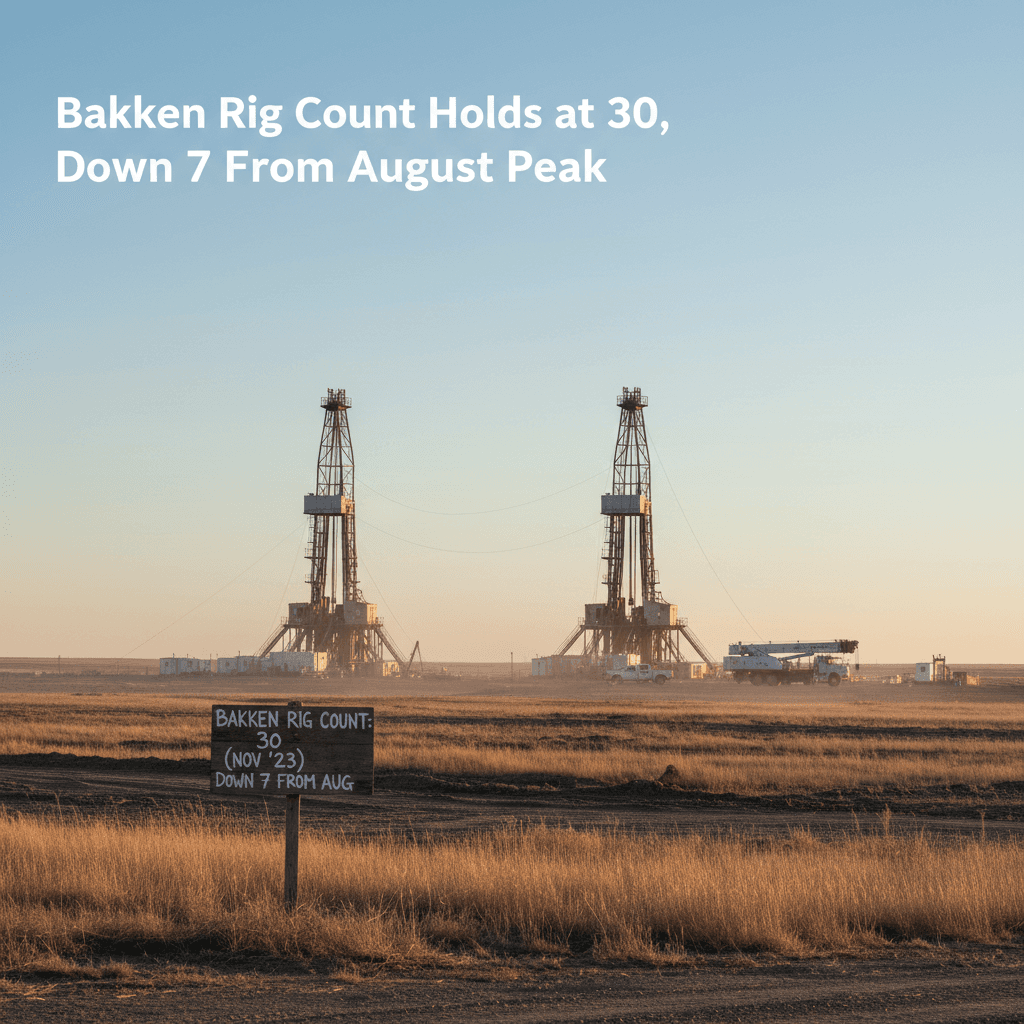
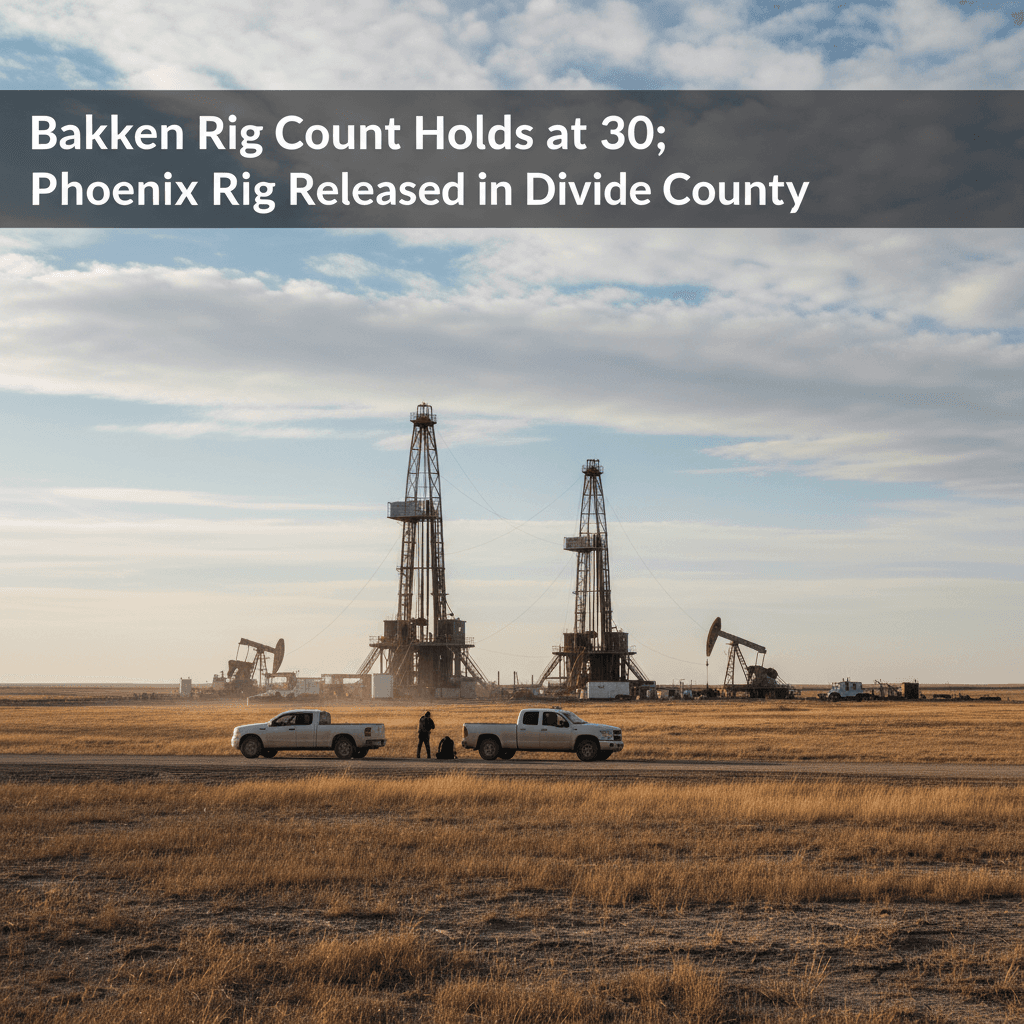
The number of active drilling rigs in North Dakota was unchanged for the second consecutive week, according to daily data from Bakken Wire. The state's count held at 27 on Sunday, August 9, 2026, with no new rigs added, removed, or moved in the previous 24 hours.
The current level represents a plateau over the last seven days, matching the count from August 2. However, activity has increased compared to a month prior, when 23 rigs were active on July 10, marking a gain of four rigs.
The steady but moderate rig activity comes as broader questions about the pace and scale of future development in the Bakken formation persist. The industry is navigating operational challenges and long-term strategic uncertainty regarding the region's next phase of growth.
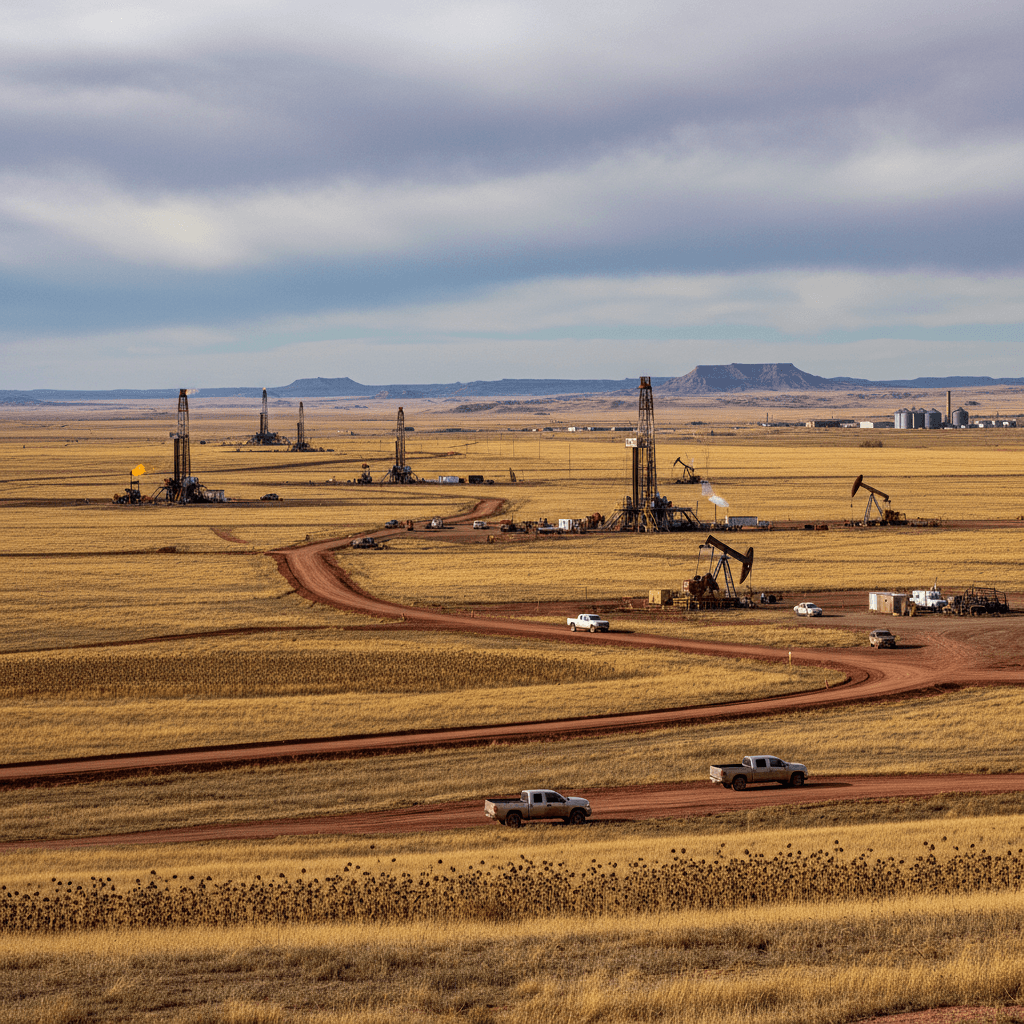
General industry context underscores that the Bakken formation is North Dakota's primary oil-producing region, and rig count is a key leading indicator of future production activity. The current count of 27 rigs reflects a focused level of investment by operators in the Williston Basin.
According to a related news report from the Bismarck Tribune, the oil industry is facing uncertainty about what the Bakken's next era will look like. The report, published on August 9, 2026, framed the challenges by noting that even in 2026, some agricultural practices, like farmers marking paper maps, remain, highlighting a contrast between technological advancement in some sectors and persistent challenges in others.
While the immediate rig data shows stability, the juxtaposition with industry reporting suggests operators are balancing current drilling programs with longer-term planning in a complex environment. The four-rig increase over the past month indicates some renewed activity, but the subsequent week-long stall points to a cautious approach.
For Bakken operators and royalty owners, the rig count is a direct signal of near-term drilling and completion work. A stable count suggests a consistent, if not expanding, level of field operations and employment in the oilfield services sector across western North Dakota.
The focus now will be on whether the current plateau breaks into an upward trend or if the count retreats in the coming weeks, as companies finalize budgets and assess economic conditions. The monthly gain provides a positive data point, but the weekly stagnation tempers expectations for a rapid acceleration in activity.
Source
Bakken Wire live rig data, historical context from Bakken Wire, related news from Bismarck Tribune via Bing News.