WTI Crude--
Brent Crude--
Natural Gas--
ND Rig Count--
WTI Crude--
Brent Crude--
Natural Gas--
ND Rig Count--
BP Shuffles Leadership as Analyst Notes Oil's 'Softening Trend' - Bakken Wire
Pipeline & Infrastructure

BP Shuffles Leadership as Analyst Notes Oil's 'Softening Trend'

International pipeline developments highlight global supply dynamics as a major Bakken shipper makes executive changes.

Bakken Wire Staff·🔆Midday Wire·

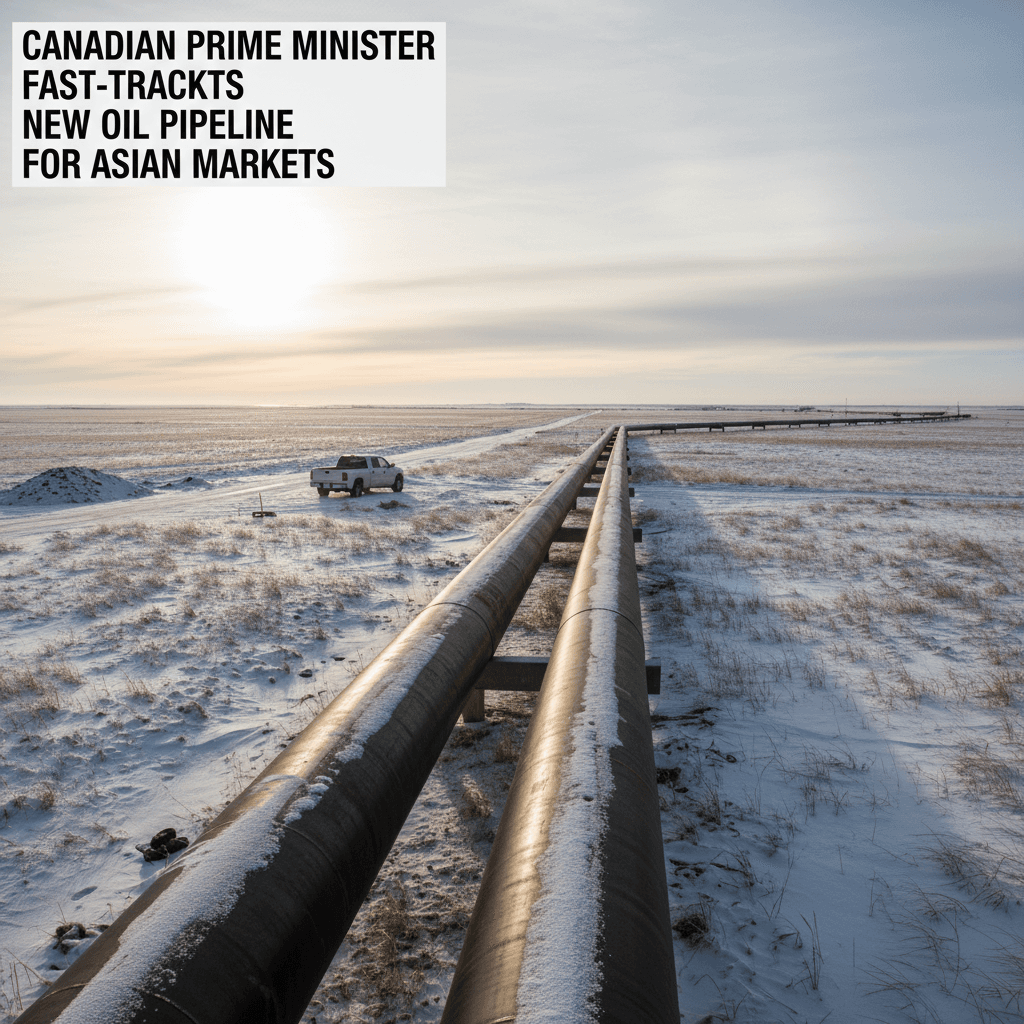
BP PLC announced a leadership shuffle Wednesday with the retirement of newly appointed deputy chief executive Carol Howle, according to Rigzone. The company named two new executive vice presidents from within its ranks. As a major shipper on the Dakota Access Pipeline (DAPL), a key conduit for Bakken crude to reach Gulf Coast markets, leadership stability at integrated majors can influence midstream strategy and crude offtake agreements vital to North Dakota producers.

Separately, an analyst noted a continued "softening trend" in oil markets, Rigzone reported. Standard Chartered Bank Energy Research Head Emily Ashford stated the trend had continued "as the return of easy barrels outpaces demand recovery." This price environment pressures the economics of Bakken production, where breakeven costs are higher than in some other global basins, potentially affecting future drilling budgets and well completion schedules.

In other international pipeline-related news, ADNOC and Eni acquired stakes in upstream assets within Argentina's Vaca Muerta shale play, Rigzone reported. The assets are planned to supply feed gas to two floating liquefaction facilities with a combined capacity of 12 million metric tons per annum. While not directly involving the Bakken, the development of major LNG export projects globally underscores the competitive landscape for energy investment and the growing interconnectivity of global gas markets.

For the Bakken, these developments collectively underscore a market focused on ample supply and cost discipline. The leadership change at a key pipeline user and analyst commentary on softening prices highlight the financial headwinds facing operators in the Williston Basin. Meanwhile, large-scale international gas projects remind stakeholders that capital is flowing to energy projects worldwide, increasing competition for investment.

Source

Rigzone
bpdakota access pipelineoil pricesexecutive changesglobal lngmarket analysis

Share this article

Related Articles

Standing Rock Pipeline Protests Mark 10-Year Anniversary, Recalling 2016 Flashpoint - Bakken Wire
Pipeline & Infrastructure

Standing Rock Pipeline Protests Mark 10-Year Anniversary, Recalling 2016 Flashpoint

The protests over the Dakota Access Pipeline (DAPL) reached a critical flashpoint in early September 2016, an event marking its 10-year anniversary this week, according to a report from the North Dakota Monitor. The $3.7 billion crude oil pipeline project ignited a months-long conflict after the U.S. Army Corps of Engineers approved its route half a mile outside the Standing Rock Sioux Reservation. The decision framed a national debate pitting American energy infrastructure against tribal sovereignty and environmental concerns. While developers and state officials argued modern steel pipelines were safer for fossil-fuel transit than railroads or trucks, the Standing Rock Sioux Tribe and a growing movement of allies contended the project threatened water sources, sacred sites, and the environment. What began as a smaller protest swelled into a major encampment south of Bismarck, drawing thousands of Indigenous people and activists from around the world. High-profile supporters, including actors Shailene Woodley...

🔆Midday Wire·Sep 6
Pipeline & Infrastructure

Decade Since DAPL Protests Began, Standing Rock Flashpoint Remembered

This week marks ten years since protests over the Dakota Access Pipeline (DAPL) intensified into a major conflict at the Standing Rock Sioux Reservation in North Dakota. According to a report from the Williston Herald, the world's attention turned to the state in early September 2016 after the U.S. Army Corps of Engineers approved plans for the $3.7 billion crude oil pipeline half a mile outside the reservation. The decision sparked a months-long standoff that pitted American energy development against tribal sovereignty. A grassroots movement of Indigenous protesters and allies from around the world argued the project threatened water supplies, sacred tribal sites, and the environment. Developers and state officials, meanwhile, maintained that modern steel pipelines offered safer fossil-fuel transit than railroads or trucks. Thousands of people, including Native Americans and climate activists, flocked to the plains south of Bismarck. Their numbers grew to the point of threatening to overwhelm...

☀️Morning Wire·Sep 6
Pipeline & Infrastructure

Standing Rock Pipeline Protests Reached Critical Flashpoint 10 Years Ago

The protest movement against the Dakota Access Pipeline (DAPL) reached a major flashpoint in early September 2016, drawing thousands to the Standing Rock Sioux Reservation and igniting a national debate over energy and tribal rights. According to a report from the North Dakota Monitor via Bing News, the conflict intensified after the U.S. Army Corps of Engineers approved plans for the $3.7 billion crude oil pipeline to run half a mile outside the reservation. The project created a stark confrontation between American energy infrastructure and tribal sovereignty. Pipeline developers and state officials argued that modern steel pipelines offered safer fossil-fuel transit than railroads or trucks. Meanwhile, the Standing Rock Sioux Tribe, led by then-Chairman Dave Archambault II, and allies contended the pipeline threatened water sources, sacred sites, and the environment. What began as a smaller protest swelled into a major encampment on the plains south of Bismarck. Thousands of Indigenous...

🌅Afternoon Wire·Sep 5