Canada-Alberta Deal Clears Path for 2027 Oil Pipeline Start
A carbon pricing agreement removes a key hurdle for new pipeline construction, potentially offering future export capacity for Bakken crude.
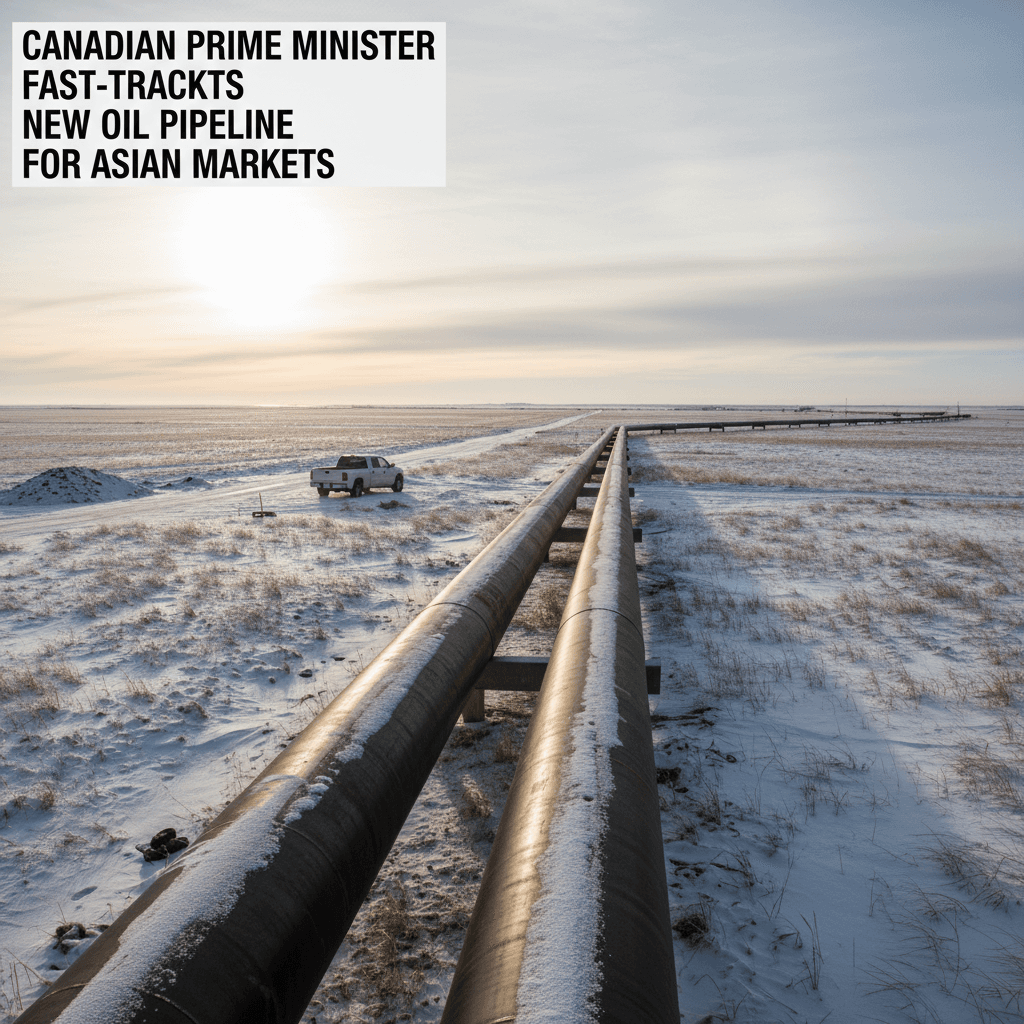
A carbon pricing agreement between the Canadian federal government and the province of Alberta has cleared a major obstacle to building a new oil pipeline, with construction now possible starting in 2027, according to Rigzone.
The deal, reported on May 18, 2026, specifically opens the way for pipeline construction to begin as early as next year. While the specific pipeline project was not named in the summary, any new major pipeline originating in Western Canada would represent significant new infrastructure for moving North American crude to market.
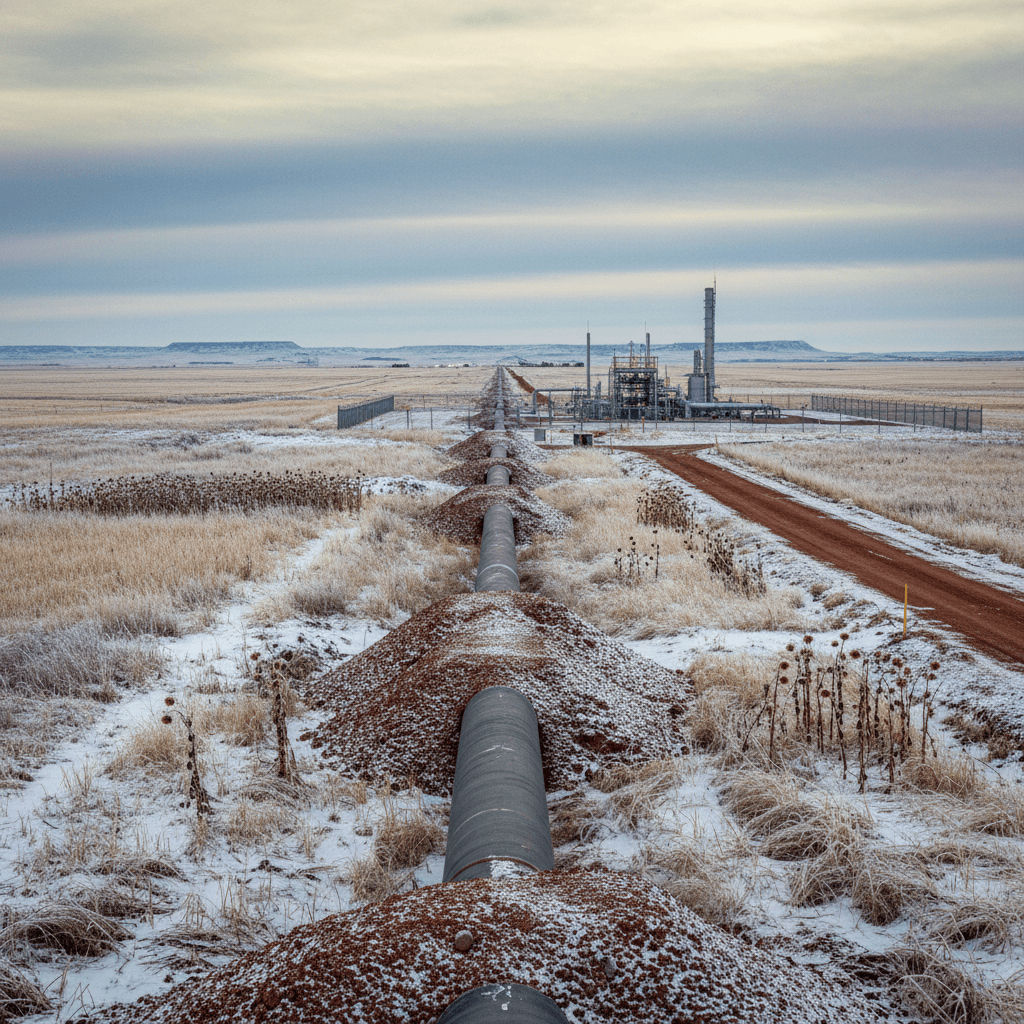
For Bakken operators in North Dakota, new pipeline capacity to the north could offer a future alternative export route. The Bakken formation is a major oil-producing region that often relies on a combination of pipelines, rail, and trucking to move crude to refineries and ports. Increased pipeline capacity in the region can help reduce transportation costs and improve netbacks for producers.
The development is a positive signal for midstream infrastructure development more broadly, suggesting regulatory and policy hurdles can be overcome. Efficient transportation is critical for the economic viability of shale plays like the Bakken, especially as production continues.
The reported timeline indicates that any benefits from this specific project would not be immediate, with construction still at least a year away. However, the progress on a longstanding barrier—carbon pricing agreements between governmental levels—may encourage other infrastructure projects necessary to serve the Williston Basin.
Market access remains a pivotal concern for Bakken producers, who compete for space on pipelines heading to the U.S. Gulf Coast, Midwest, and West Coast. Additional northbound capacity could provide more optionality for shipments to Canadian refineries or for access to tidewater for international exports.
Source
Rigzone