China Space Weapons Report Adds Geopolitical Risk for Bakken
A U.S. intelligence assessment warning China may field space-based directed-energy weapons by the end of the 2020s highlights satellite risks for North Dakota energy operations.
A U.S. intelligence report warning that China could put laser weapons in space by 2030 adds a new geopolitical risk vector for North Dakota's oil and gas sector, according to OilPrice.com. The report is relevant to Bakken operators and royalty owners because modern oilfields rely on satellites for communications, data transmission and logistics, even though the intelligence assessment itself focuses on national security rather than crude prices.
The Defense Intelligence Agency report, entitled Challenges to Security in Space, includes a rare image of a newly developed reusable spaceplane, OilPrice.com reported. It is the first time the U.S. government has offered an estimated timeline for China’s development of space-based energy weapons, the report said.
Beijing already has established earthbound energy weapons capable of disrupting, degrading or damaging satellites, OilPrice.com reported. Those systems are expected to become stronger by the end of the 2020s, with the ability to impact satellites beyond low Earth orbit, according to the report. The addition of space-based energy weapons would create an even more dangerous disruptive capability, it said.
The warning is not unanimous. Victoria Samson, chief director of space security and stability at the Secure World Foundation, told the South China Morning Post: “I would be very surprised if China fielded space-based laser weapons by the late 2020s,” according to OilPrice.com.
Still, China’s People’s Liberation Army has been less secretive about directed-energy weapons than about its spaceplane. In January 2021, PLA media asserted that laser weapons were entering a golden age and cited dazzling, or temporarily blinding a sensor, as one operational use, the DIA report states, according to OilPrice.com.
China rejected the U.S. assessment. The state-run Global Times published a report this week titled “US intelligence hypes Chinese, Russian space threats while accelerating its own military buildup in orbit,” OilPrice.com reported. The outlet wrote that Washington was “sounding the alarm over alleged threats in outer space, even as it presses ahead with its own military buildup in orbit.”
The report notes the United States has been preparing for this development for some time. U.S. Space Force Gen. Stephen Whiting said in August at the annual Space & Missile Defense Symposium in Huntsville, Alabama, that survivability matters at least as much as performance in a responsive and adaptive national security space architecture, according to OilPrice.com. “In space, there is no safe harbor. You can’t dig a trench or build a shield,” Whiting said. He added that satellites are consistently or predictably in an opponent’s weapons engagement zone, according to the report.
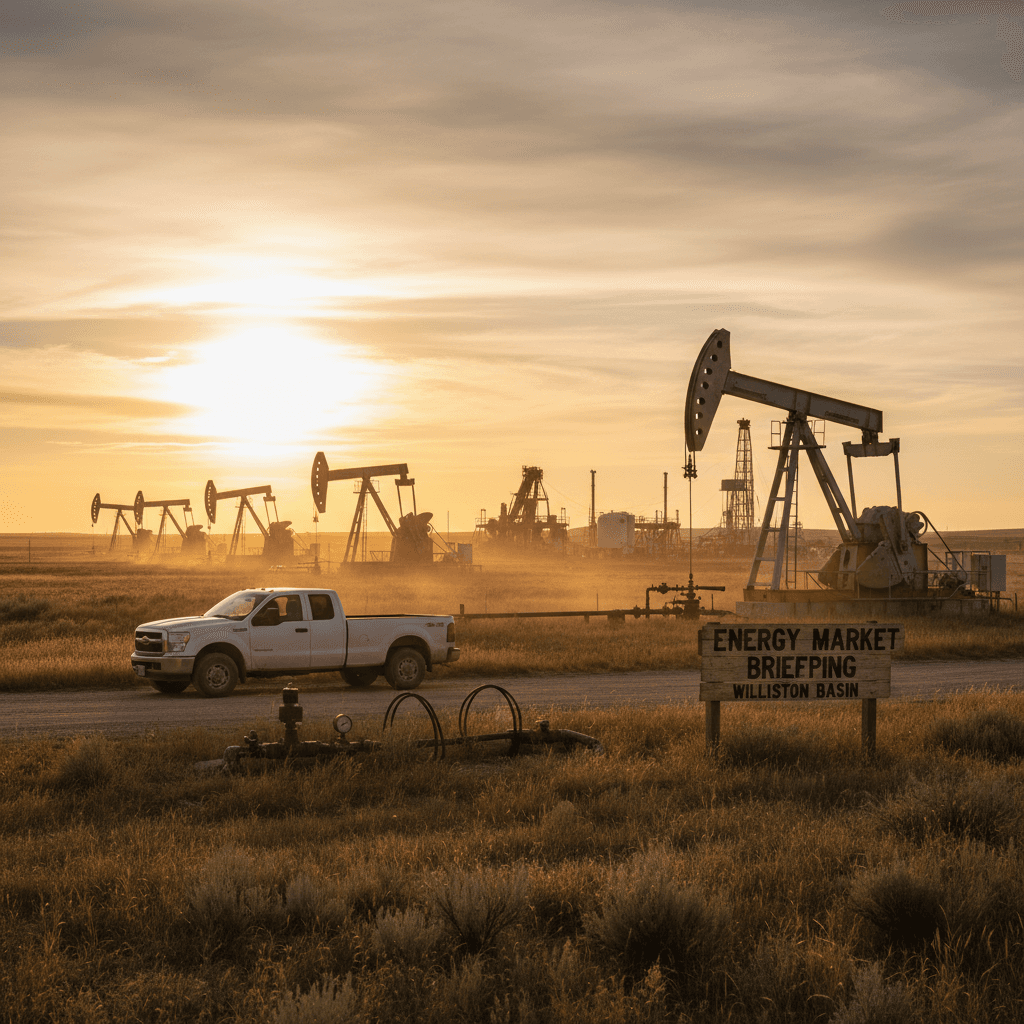
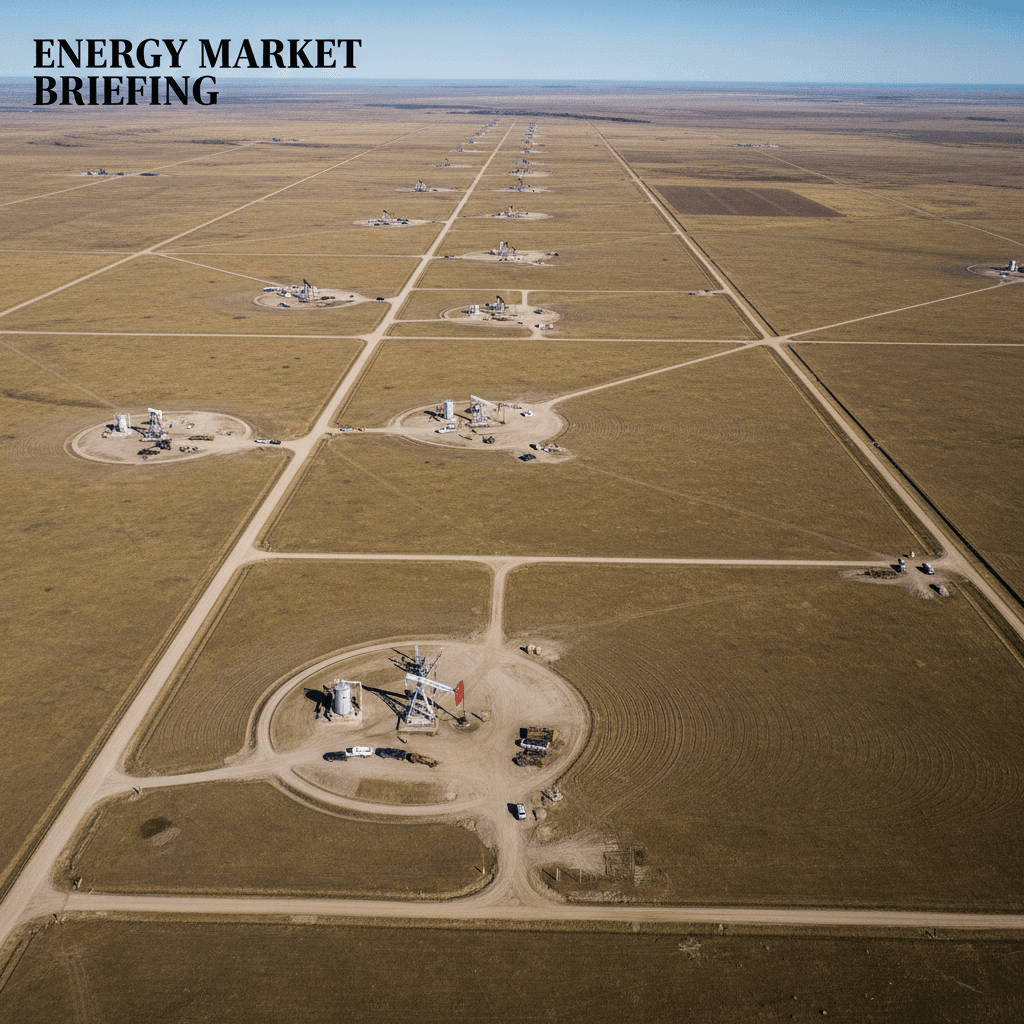
For Bakken producers, the practical concern is continuity of satellite-dependent systems used across remote well sites, gathering operations and field data. The source does not report a direct change in oil prices or North Dakota production. But the intelligence warning underscores that space security can become an operating risk for energy infrastructure, including in the Williston Basin.
Source
OilPrice.com