China's Slowing Reserve Drawdowns Signal Global Demand Shift
Reduced buying from strategic reserves may pressure global crude prices, impacting Bakken producers' margins.
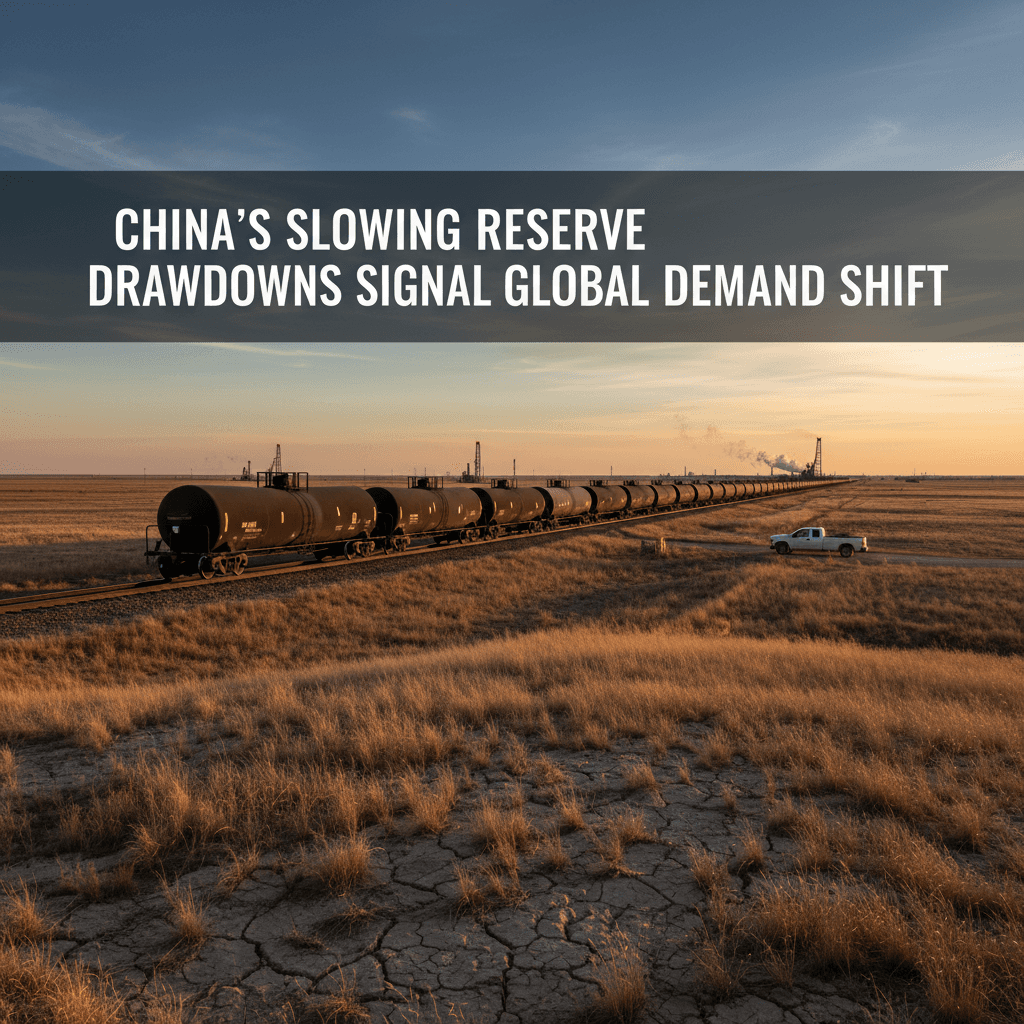
Chinese refiners plan to slow their drawdowns of oil from national reserves this month as the country's crude imports recover, according to a report from Energy Aspects cited by Rigzone. The shift in buying behavior from the world's largest oil importer represents a significant development for global crude markets.
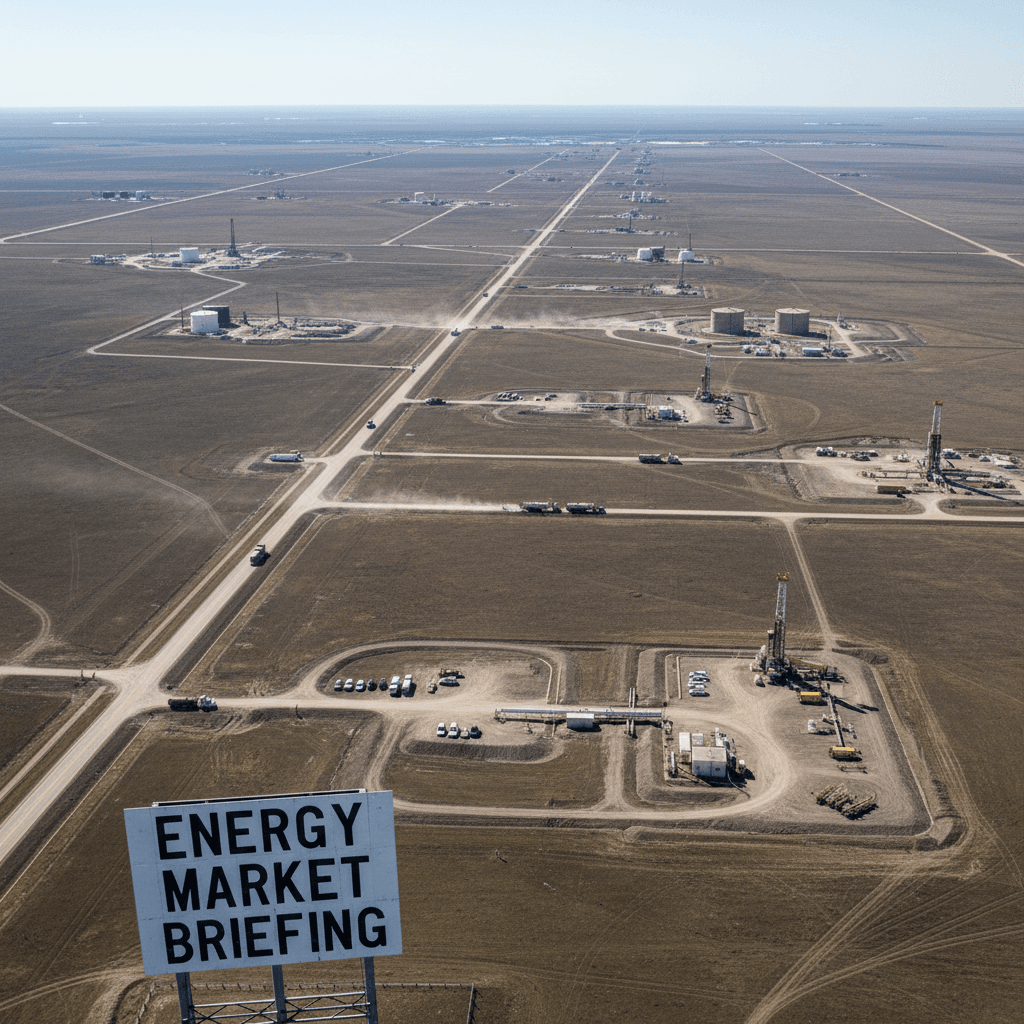
For Bakken operators, China's purchasing patterns are a key barometer of international demand strength. A reduction in the pace of drawing from strategic petroleum reserves (SPRs) suggests China may require less supplemental crude from the open market in the near term. This can remove a source of support for global benchmark prices like Brent and WTI.
The Bakken formation in North Dakota is a price-sensitive play, with many operators needing WTI prices above a certain threshold to justify new drilling and completion activity. Lower global prices, driven by shifts in major importer demand, can directly compress cash flow and margins for producers across the Williston Basin.
The report, published Tuesday, notes the change is linked to a recovery in China's direct crude imports. This indicates that while overall demand may be steady, the source of supply is shifting from stockpiles back to fresh purchases. However, the net effect on global supply-demand balance is typically bearish when a major buyer taps its own inventories instead of the market.
In the current environment, Bakken operators are closely monitoring any signs of softening international demand. News of slowing reserve drawdowns in China may reinforce a cautious approach to capital spending and production growth plans among independent producers in North Dakota, who are often the first to adjust operations in response to price signals.
Source
Energy Aspects report cited by Rigzone.