Columnist Warns Anti-Pipeline Sentiment Threatens ND Business Climate
A Minot columnist argues that pipeline opposition, fueled by activist groups and disputed media reports, could deter investment in North Dakota.
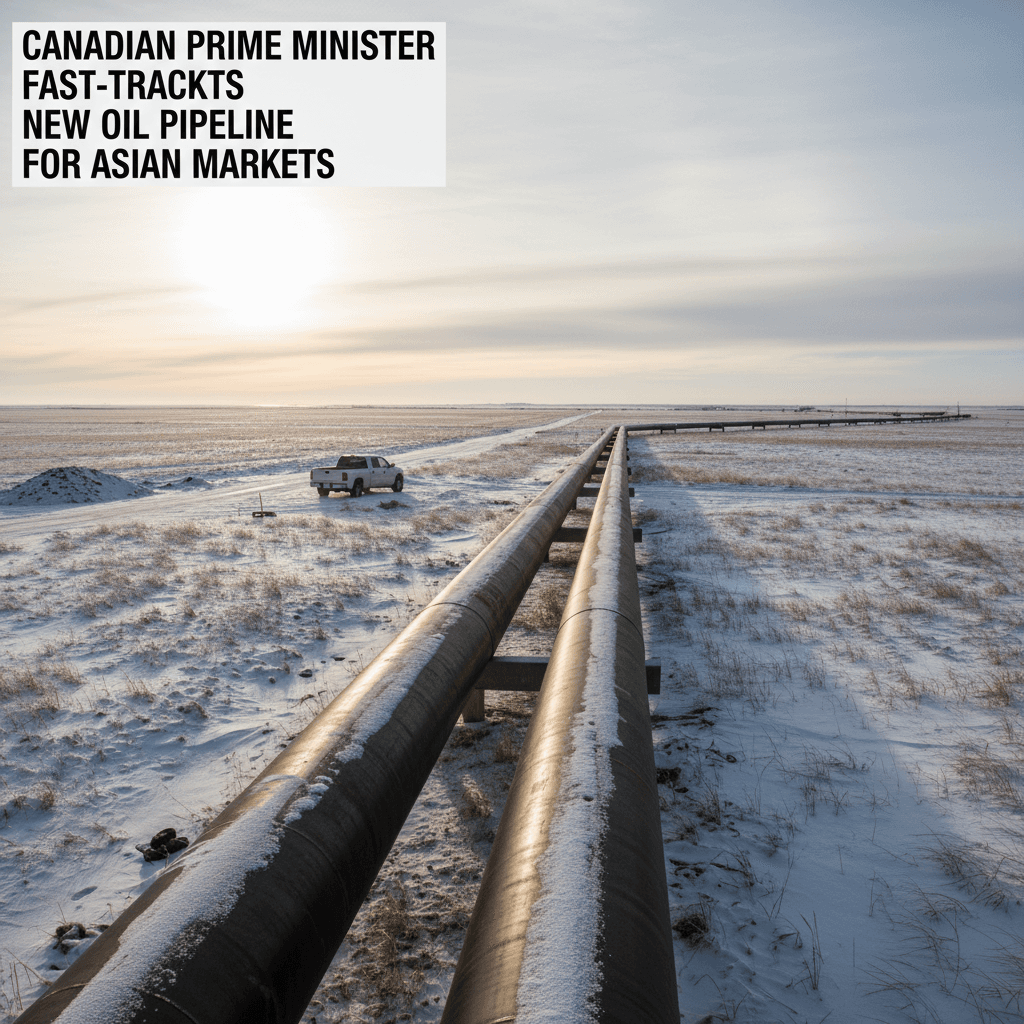
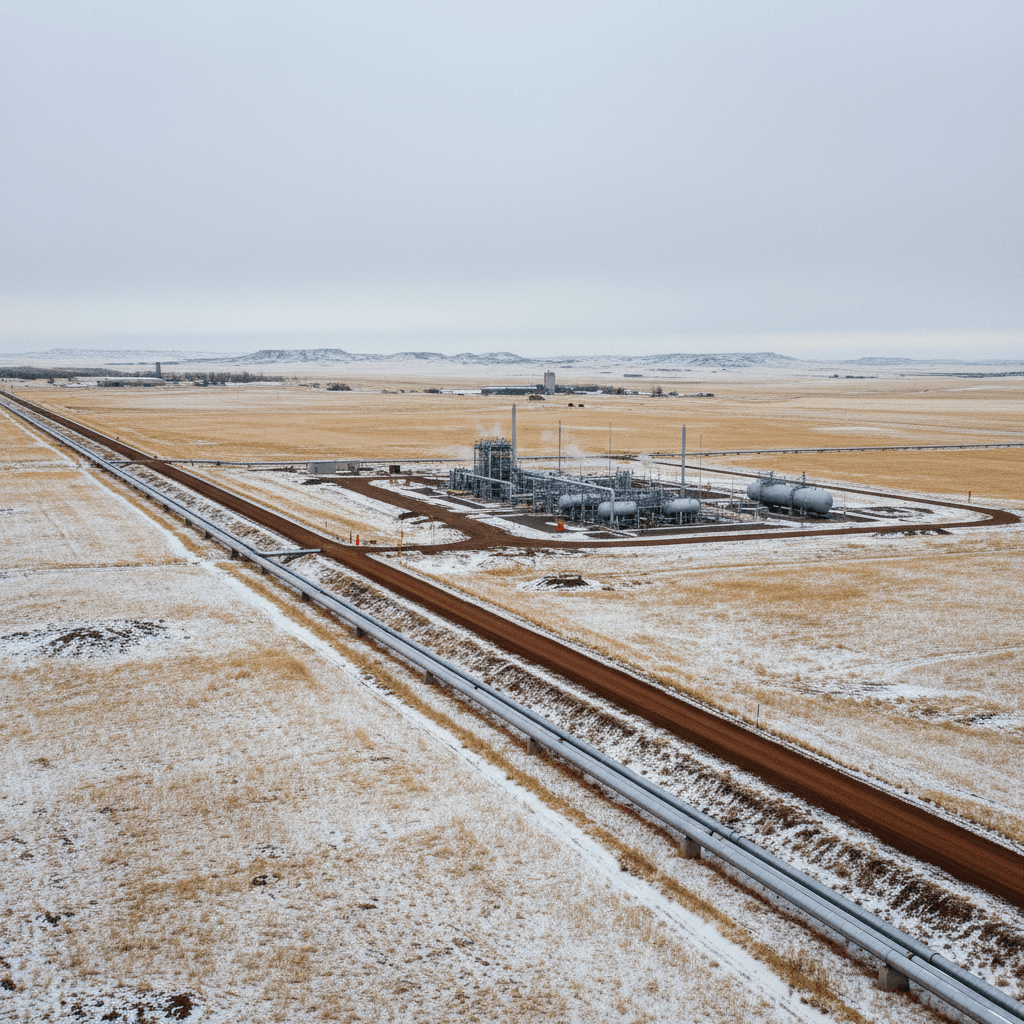
A North Dakota columnist warns that a wave of opposition to infrastructure projects, including pipelines, threatens the state's business-friendly reputation. In an opinion piece published Wednesday, the writer states that pushback from a "noisy but minority segment of the public" has become a significant factor for developments like data centers, transmission lines, and pipelines.
The column, sourced from the Wahpeton Daily News, attributes this trend to social media, AI-generated content, and partnerships with activist groups. It poses the critical question: "is North Dakota still open for business?" The author expresses concern that the types of investments that bring jobs and economic diversification may choose to operate elsewhere if this opposition prevails.
The piece specifically criticizes a recent headline from the North Dakota Monitor, which stated, "Safety not a factor in determining North Dakota pipeline routes, attorney says." According to the columnist, this headline refers to comments made by Zachary Pellham, an attorney for the North Dakota Public Service Commission (PSC), during litigation over the now-canceled Summit Carbon Pipeline permit.
The columnist calls the Monitor's headline "inaccurate" and suggests its editorial bent aligns with groups seeking to "halt progress and development in our state." The column cites media watchdog NewsGuard, which has said the Monitor's parent organization, States Newsroom, has been “bought by people with a political agenda.”
The article clarifies the regulatory landscape in response to the disputed headline. It explains that the state PSC, through an agreement with the federal Pipeline and Hazardous Materials Safety Administration (PHMSA), establishes and enforces safety standards for intrastate pipelines entirely within North Dakota. However, for interstate projects, federal authorities retain direct safety oversight.
According to the column, Pellham's point was that the PSC cannot consider certain safety standards for interstate pipelines because that responsibility falls explicitly to the federal government under the Pipeline Safety Act. The PSC's role for such projects is limited to regulating the siting of pipelines, while PHMSA handles safety standards.
The columnist concludes that this environment of opposition and disputed reporting creates a "fraught situation" for state leaders. For Bakken operators and the broader energy industry, the column frames this political and media climate as a potential barrier to future pipeline infrastructure, which is critical for moving oil and gas to market.
Source
Wahpeton Daily News opinion column published July 15, 2026