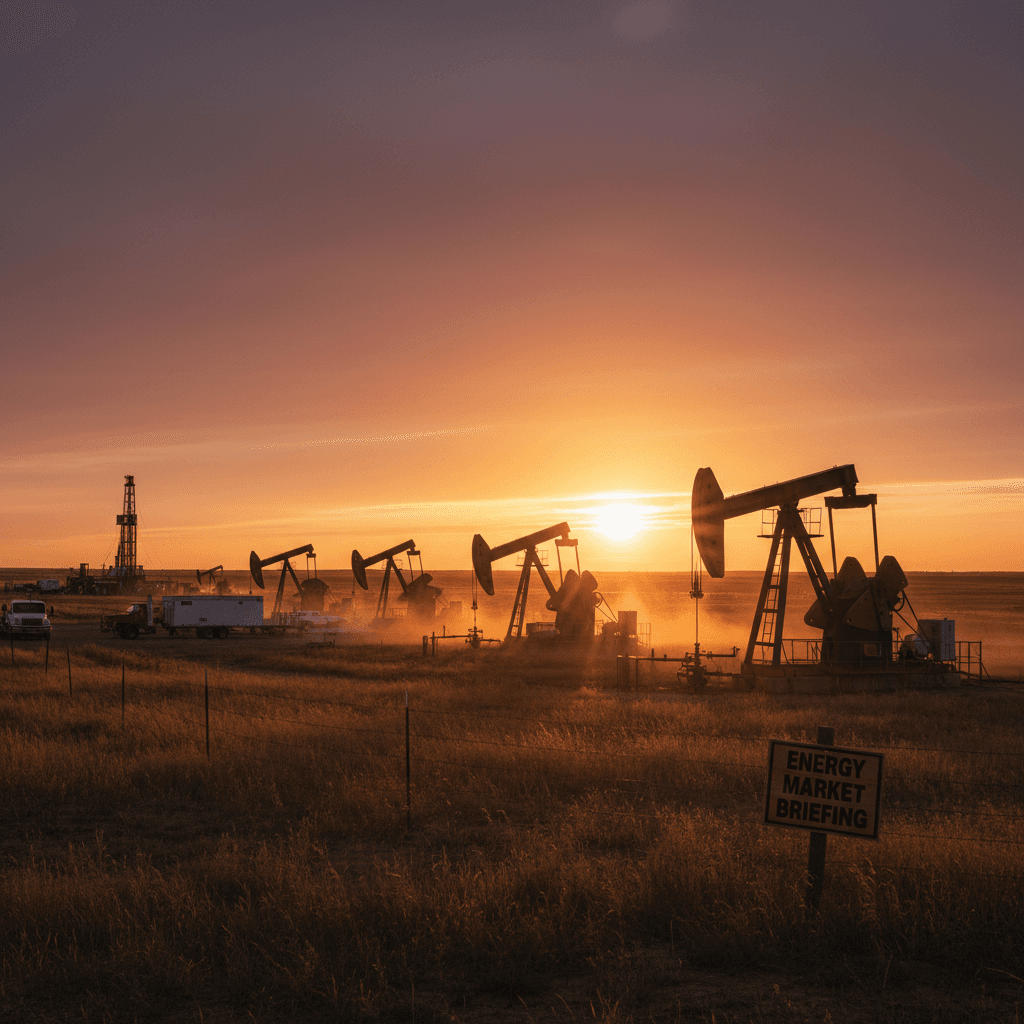
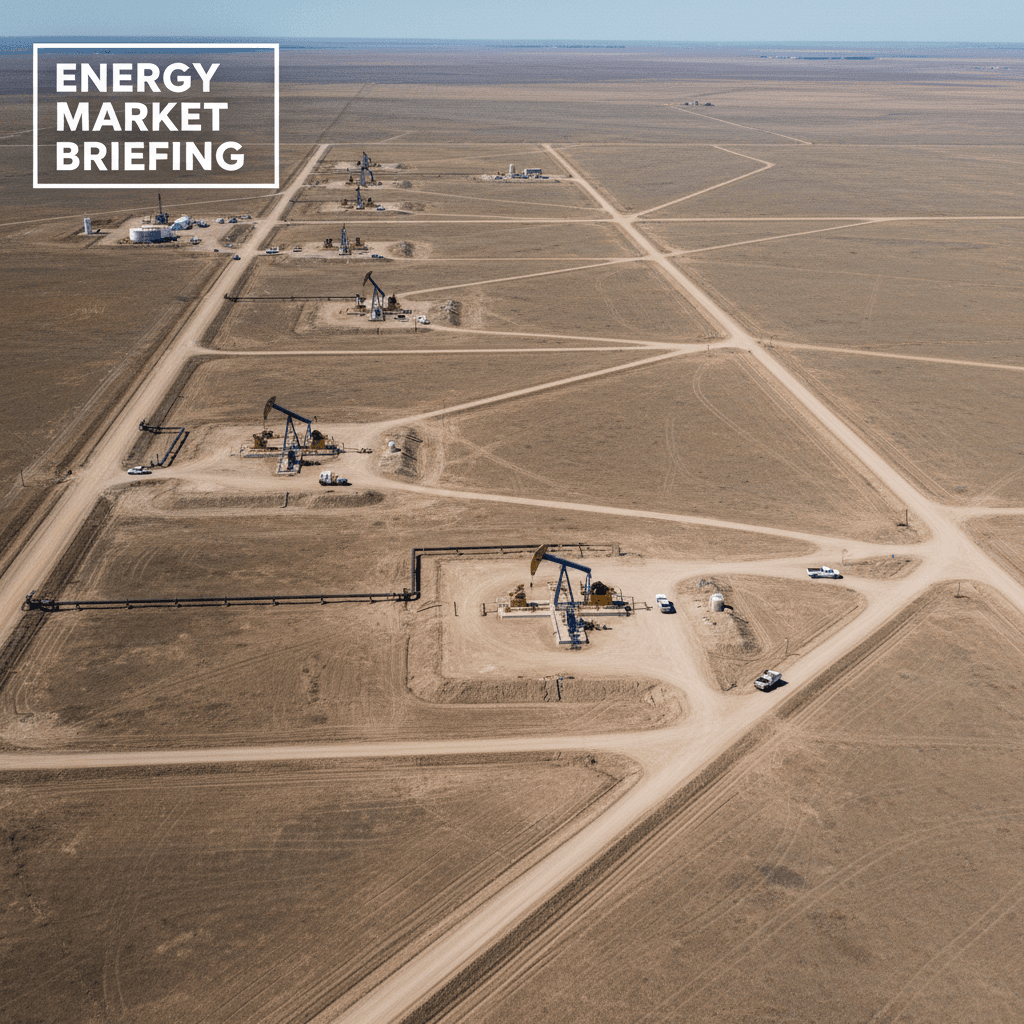
Copper Hits Record Above $14,500 as China Buys Gold Amid Global Scarcity Repricing
Surging industrial metal prices and central bank reserve shifts signal a tightening physical economy with implications for Bakken operating and capital costs.
Copper prices surged to a record high Tuesday, a move analysts link to a global repricing of physical scarcity that could ripple through the capital-intensive oil and gas sector. Benchmark three-month futures on the London Metal Exchange (LME) gained nearly 1% to reach $14,533 a ton, according to OilPrice.com. The industrial metal, critical for power grid and data center buildouts, has climbed 17% this year.
The price spike is driven partly by U.S. tariffs pulling metal into domestic warehouses, tightening availability elsewhere. Veteran commodities strategist Jeff Currie, former Global Head of Commodities Research at Goldman Sachs, stated on X that this is "the latest sign that the physical economy is repricing scarcity in the real world." He noted, "Scarcity is not just about how many tonnes exist, it is about having the tonnes in the right place at the right time." For Bakken operators, sustained high copper prices directly increase costs for electrical infrastructure, motors, and other essential equipment.
Simultaneously, China's central bank is executing a long-term strategy to diversify its reserves away from dollar assets. The People's Bank of China added 650,000 troy ounces of gold to its reserves in August, its biggest monthly purchase since 2023, OilPrice.com reported. This extends its buying streak to 22 consecutive months. Analyst Gu Fengda called the accumulation “a highly strategic and forward-looking deployment,” partly a response to the freezing of Russian reserves in 2022.
These concurrent moves in key commodity markets underscore a broader trend of de-risking and securing physical assets. For North Dakota's energy industry, this environment suggests persistent inflationary pressure on capital and operating expenditures. The rising cost of materials like copper, essential for field electrification and expansion, squeezes margins. Furthermore, a global shift where major economies like China prioritize tangible assets over financial ones could influence long-term investment flows and currency valuations, impacting the economic landscape for energy exporters.
The commodity cycle rotation highlighted by Currie—from grains to diesel and now to copper—points to ongoing volatility and supply constraints. As he warned, "Weather, war and policymaking are the three horsemen that have combined against underinvestment... to create a scarcity problem." Bakken operators, familiar with the capital cycles of the "old economy," face this scarcity problem in the form of higher input costs for critical materials, potentially affecting project economics and development pace across the Williston Basin.
Source
OilPrice.com