Crude Surges Past $104 on Mideast LNG Shock, Strait of Hormuz Disruption
WTI jumps 7.8% as conflict disrupts global energy flows, boosting Bakken crude values.
Oil prices surged past $100 a barrel on Monday, with West Texas Intermediate (WTI) crude jumping $7.51 to settle at $104.08, a gain of 7.78%. Brent crude followed, rising $7.12 to $102.32, according to live price data.
The sharp rally is driven by escalating supply disruptions from the Middle East war, which have severely impacted global liquefied natural gas (LNG) markets and tightened crude oil sentiment. According to a report from OilPrice.com, the de facto closure of the Strait of Hormuz has stranded all Qatari and United Arab Emirates LNG supplies. Furthermore, Iranian missile attacks have caused severe damage to Qatar's Ras Laffan LNG complex.
QatarEnergy declared force majeure and estimates the damage will cost about $20 billion per year in lost revenue, with repairs potentially taking up to five years, OilPrice.com reported. This has led Asian LNG prices to nearly double this month, with Asian buyers outbidding Europe for spot supply.
The LNG shock is having a direct impact on oil markets. With a critical alternative fuel source constrained, demand for oil products may see upward pressure. Additionally, the failed U.S.-Iran negotiations this weekend and continued chaos at the Strait of Hormuz are delaying any recovery of energy exports from the region, further supporting prices.
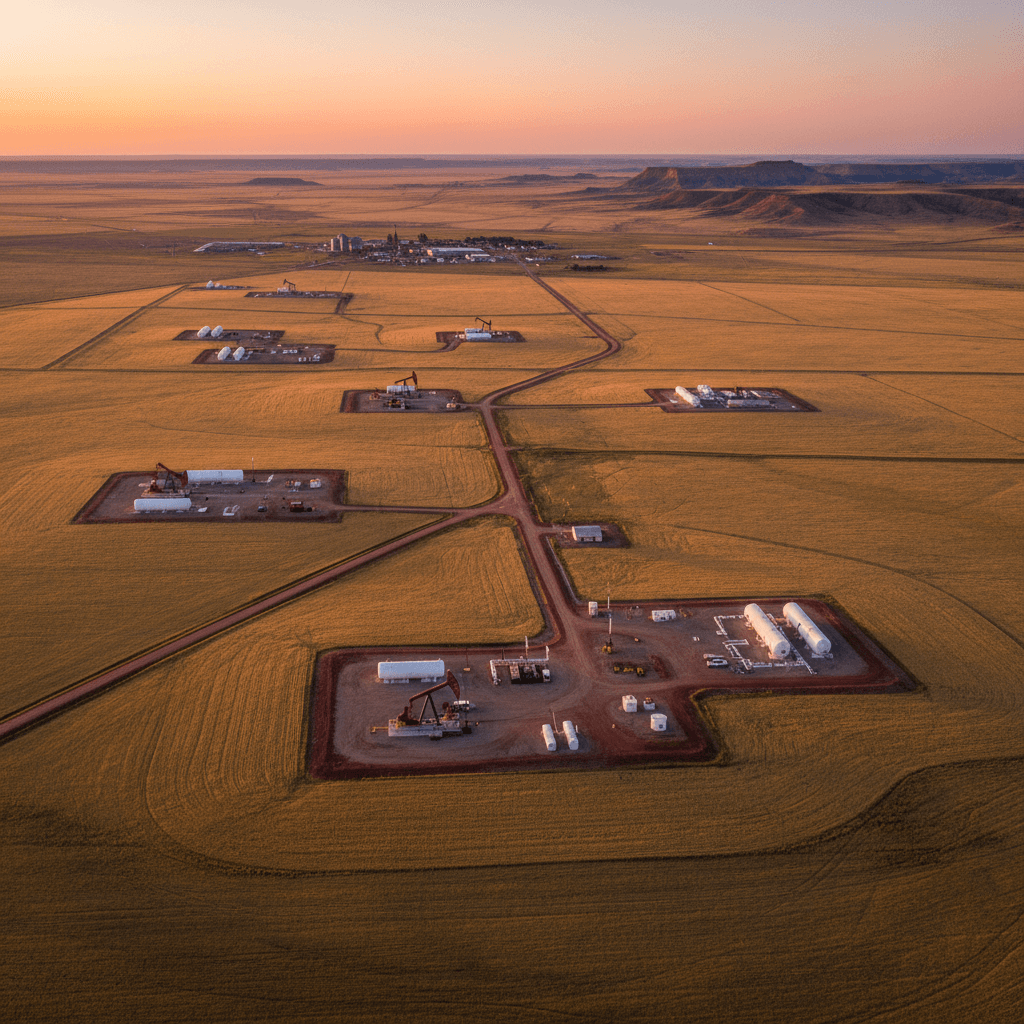
For Bakken operators, the surge in the WTI benchmark price directly boosts the value of their produced crude. While the live Bakken differential was undefined in Monday's data, a stronger underlying WTI price provides a higher revenue floor. The geopolitical premium now embedded in the market improves cash flow for producers, potentially supporting drilling and completion budgets in North Dakota's core shale play.
The disruption has caused Asia’s LNG imports to plunge to their lowest level since June 2020, with the 30-day moving average of net shipments falling below 600,000 tons, according to ship-tracking data compiled by Bloomberg and cited by OilPrice.com. In China, the situation may lead to the lowest monthly LNG imports in eight years.
The ongoing conflict and its direct impact on one of the world's largest LNG facilities underscore the fragility of global energy supply chains. For the Bakken, which produces light sweet crude similar to WTI, the price surge offers a significant near-term benefit amidst continued global volatility.
Source
Live Price Data, OilPrice.com report published April 13, 2026