WTI Crude--
Brent Crude--
Natural Gas--
ND Rig Count--
WTI Crude--
Brent Crude--
Natural Gas--
ND Rig Count--
Regulatory

Democratic Election Wins Set to Alter Federal Energy Landscape for Bakken

New Congressional majorities and a Texas regulator shift promise investigations, policy uncertainty, and potential pressure on Iran policy.

Bakken Wire Staff·🌅Afternoon Wire·

The Democratic Party's wins in the 2026 midterm elections, securing control of both the House and Senate, are poised to reshape U.S. energy policy, creating a new regulatory environment for Bakken operators, according to an OilPrice.com analysis. The incoming Democratic-majority Congress is expected to launch investigations into oil deals involving the Trump White House and attempt to revive clean energy tax credits, increasing policy uncertainty at the federal level.

Key investigations will focus on "the biggest oil deal in world history" in Venezuela and a 'diesel deal' with Russia's Vladimir Putin on the eve of the elections, OilPrice.com reported. Democratic Senator Ed Markey of Massachusetts, a member of the environment and public works committee, signaled the aggressive posture on election night. "They are going to need to plant new forests for all of the subpoenas we’ll be printing," Markey said.

While President Donald Trump has vowed to veto legislation he dislikes, the Democratic Congress will control appropriations and budgets, forcing both sides to seek compromises—or "deals," in Trump's parlance—on energy and other key policies. Analysts suggest changes are unlikely to be radical but will stem from compromise, given the need for Democratic leaders to gather Republican support to overcome a presidential veto.

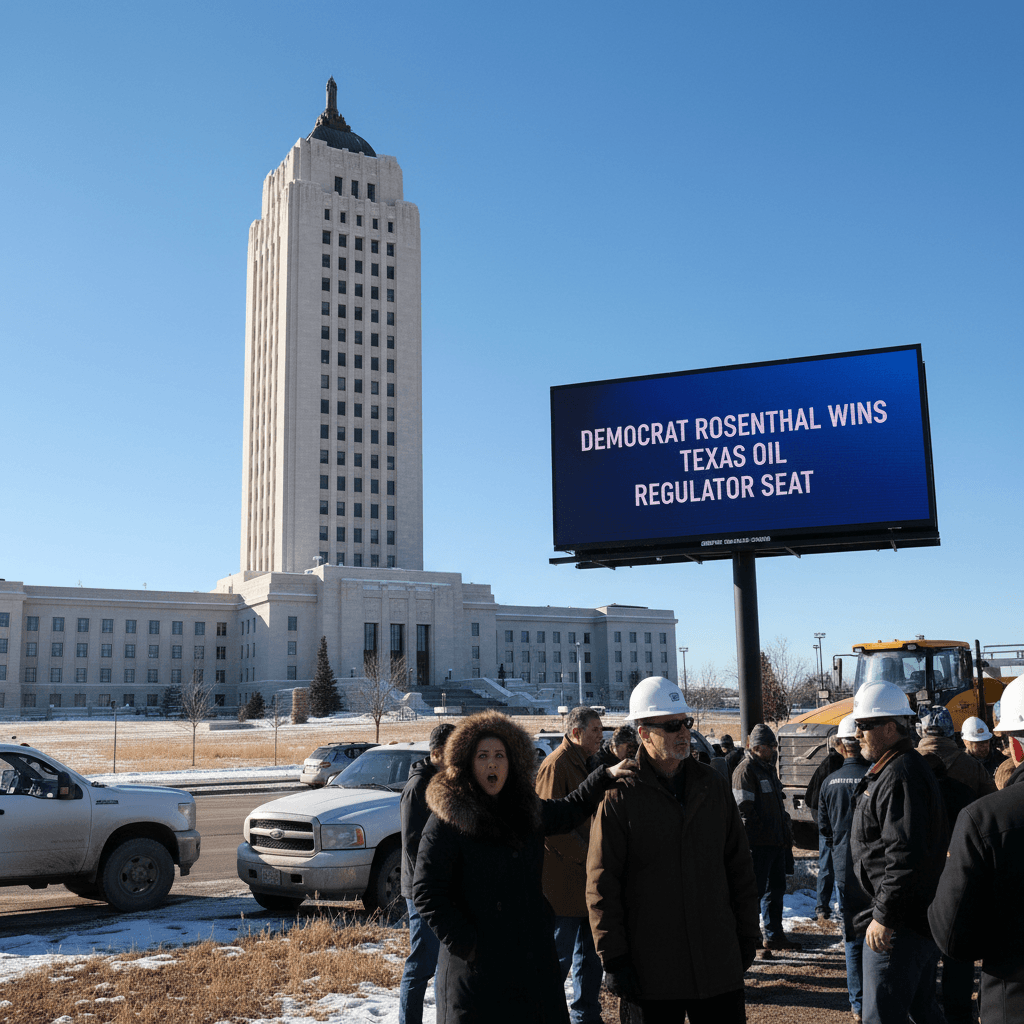
The election also produced a notable shift at the state regulatory level in a key energy state. Oil and gas engineer Jon Rosenthal won an open seat on the Texas Railroad Commission, becoming the first Democrat on the three-member oil and gas regulator since 1990. While in the minority, Rosenthal could influence issues including data center permitting and wastewater disposal from oil and gas production, which is closely watched by Bakken operators for potential regulatory trends.

Internationally, the Democratic-controlled Congress will face the war in Iran, which analysts say will influence international oil prices and U.S. fuel prices in the coming months. Analysts at Rystad Energy noted the day after the elections that the new "hostile majority" controlling war funding and appointees creates greater institutional pressure on the Trump administration to pursue a deal to reopen the Strait of Hormuz rather than escalate strikes. "A restoration of flows through the Strait of Hormuz is the pre..." they stated, indicating a potential impact on global oil markets crucial to Bakken pricing.

Furthermore, a Democratic push for AI regulation and concerns from newly elected Democratic governors in states like Texas and Ohio about data center power demand could indirectly affect energy demand and infrastructure planning relevant to the Bakken's role as a power generation fuel source.

Source

OilPrice.com
regulationcongresselectionsfederal policytexas railroad commissioniran

Share this article

Related Articles

Regulatory

Bakken Producers Watch Windfall Tax Debate

North Dakota’s Bakken operators are facing a new regulatory watch item after Rigzone reported that the oil industry is bracing for Democrats to use their newfound political muscle to push for a deal with President Donald Trump and impose a windfall tax. The report, published Thursday, Nov. 5, says the sector is preparing for the possibility of a windfall tax rather than describing a measure already enacted. For Bakken producers, the development matters because the Williston Basin remains one of North Dakota’s most important oil-producing areas, and state and federal tax changes can alter the economics of new wells, lease operating costs and capital returns to owners. According to Rigzone, the political discussion centers on Democrats leveraging their newfound political muscle to seek an agreement with Trump that could impose a windfall tax. The summary does not identify the tax rate, the companies that would be covered or the timing...

☀️Morning Wire·Nov 6
Oil Industry Braces for Potential Windfall Tax Push - Bakken Wire
Regulatory

Oil Industry Braces for Potential Windfall Tax Push

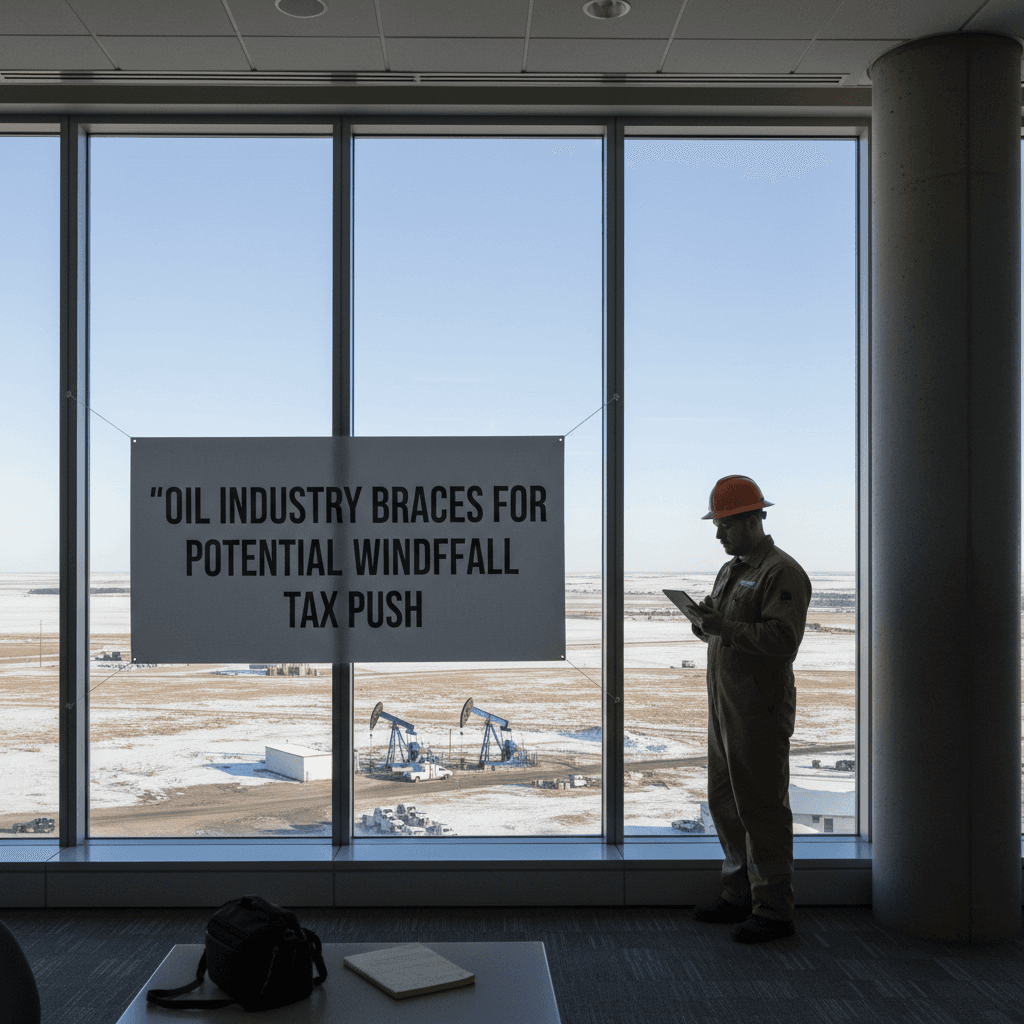
The U.S. oil industry is preparing for the possibility of a new federal windfall tax, according to a report from Rigzone. The news service reported that the sector is bracing for Democrats to use their newfound political muscle to push for a deal with President Donald Trump to impose such a tax. For Bakken formation operators in North Dakota, the specter of a windfall tax represents a significant regulatory and financial uncertainty. Such a tax would typically target periods of high profitability, potentially reducing the capital available for drilling, well completion, and production operations in the Williston Basin. The reported political dynamic suggests a potential shift in Washington's approach to energy policy. A windfall tax could directly impact the cash flow of companies operating in the Bakken, one of the nation's primary oil-producing regions. This could influence decisions on everything from maintaining rig counts to funding new well development. While...

🌅Afternoon Wire·Nov 5
Democrat Rosenthal Wins Texas Oil Regulator Seat - Bakken Wire
Regulatory

Democrat Rosenthal Wins Texas Oil Regulator Seat

A Democrat has won a seat on Texas's oil and gas regulator, according to Rigzone. The outlet reported Wednesday that Jon Rosenthal defeated Republican Bo French in the race for the Texas Railroad Commission. The result is notable because the Railroad Commission is the state agency that oversees oil and gas operations in Texas, one of the country's largest producing states. While the commission's day-to-day work is centered in Texas, regulatory outcomes in major basins often draw attention from producers and royalty owners in other regions, including North Dakota's Bakken and Williston Basin. For Bakken operators, the immediate practical impact is likely limited. The Texas commission does not regulate North Dakota wells, and state rules on leasing, permitting, environmental oversight and production reporting are set by North Dakota agencies and legislators. Still, changes in leadership at a major basin regulator can influence how operators and investors think about the political...

🔆Midday Wire·Nov 4