Federal Coal Funds Flow to ND Amid National Solar, Recovery Push
While solar leads national power additions and state eyes enhanced oil recovery, a Trump administration defense program allocates support to a North Dakota coal plant.
The Trump administration is directing $700 million in federal funds to support the U.S. coal industry, with a portion allocated to a plant in North Dakota, according to OilPrice.com. The funding, announced under the Defense Production Act, includes $425 million distributed to 13 existing coal plants across ten states, including North Dakota.
This move comes despite national data showing solar power has become the dominant source of new energy capacity. According to Federal Energy Regulatory Commission (FERC) data cited by OilPrice.com, solar was the largest form of new energy capacity installations for the 28th straight month as of the end of last year. In 2025, renewables represented 88% of all energy additions, with utility-scale solar alone accounting for 72.6% of new U.S. electricity additions.
FERC projects solar capacity will grow by 86 gigawatts over the next three years, surpassing coal in the national energy mix. By 2029, solar is projected to become the second-largest energy source behind natural gas. Experts attribute the solar boom to economic realities and grid demands, overshadowing the current policy climate. A shortage of gas-fired turbines is also slowing gas power additions, incentivizing investment in renewables and storage.
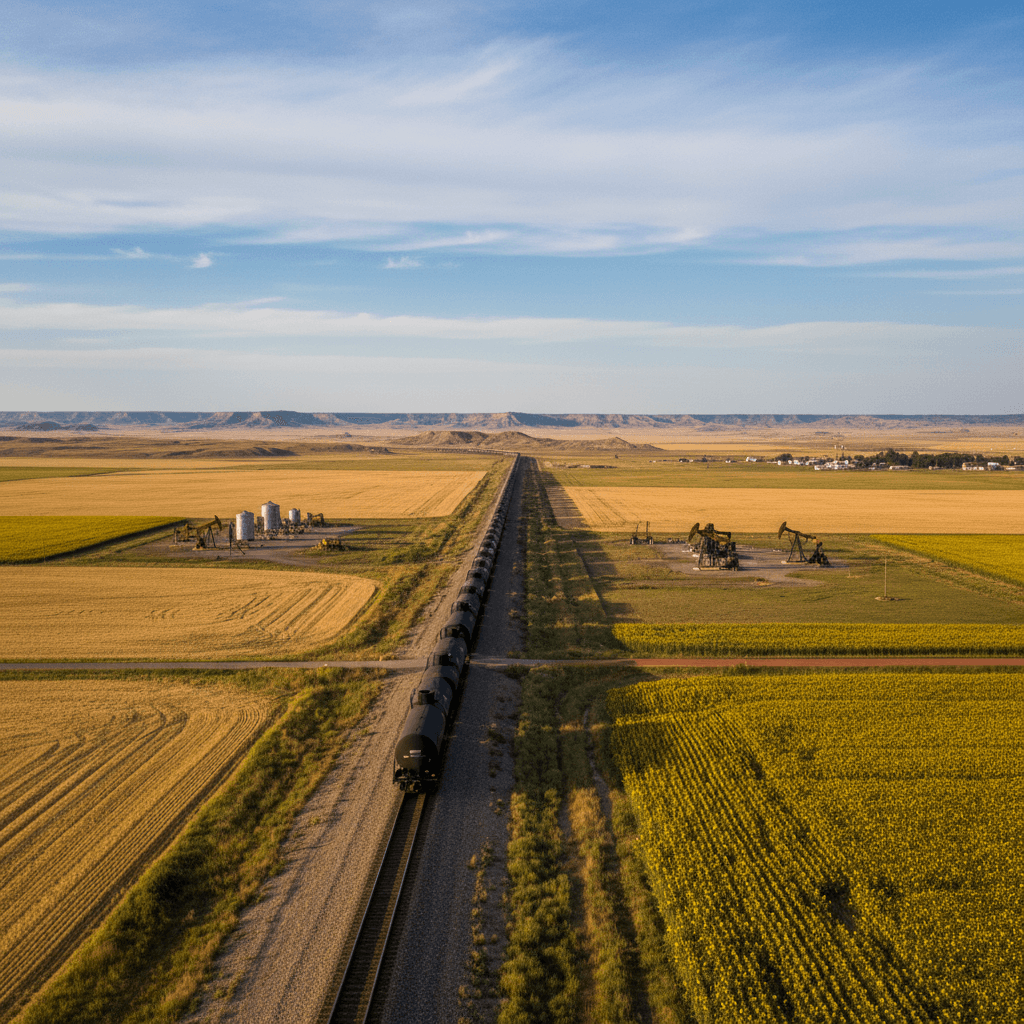
Meanwhile, North Dakota continues to focus on its core hydrocarbon resources. According to a Bing News summary, state officials are chasing a "second Bakken boom" through enhanced recovery techniques, arguing that as much as 85% of the resource remains trapped underground.
The administration's coal push is framed as a national security measure to ensure baseload power for rising electricity demand, particularly from the artificial intelligence sector. The $700 million package also includes $75 million for a California export terminal and $185 million in Energy Department grants for new coal plant construction in Alaska and West Virginia.
For Bakken operators, the landscape presents a dual narrative: federal policy support for legacy baseload power like coal, juxtaposed against relentless market-driven growth for renewables and the ongoing potential of advanced oil recovery in the state's flagship formation.
Source
OilPrice.com, Bing News

