Gasoline Prices Jump Nationwide, Bakken Operators Eye Market Impact
Rising fuel costs could influence Bakken oil production economics and regional transportation expenses.
Gasoline prices have increased across all 50 states, according to a report from GasBuddy cited by Rigzone. The widespread jump in fuel costs marks a significant shift in the national energy market.
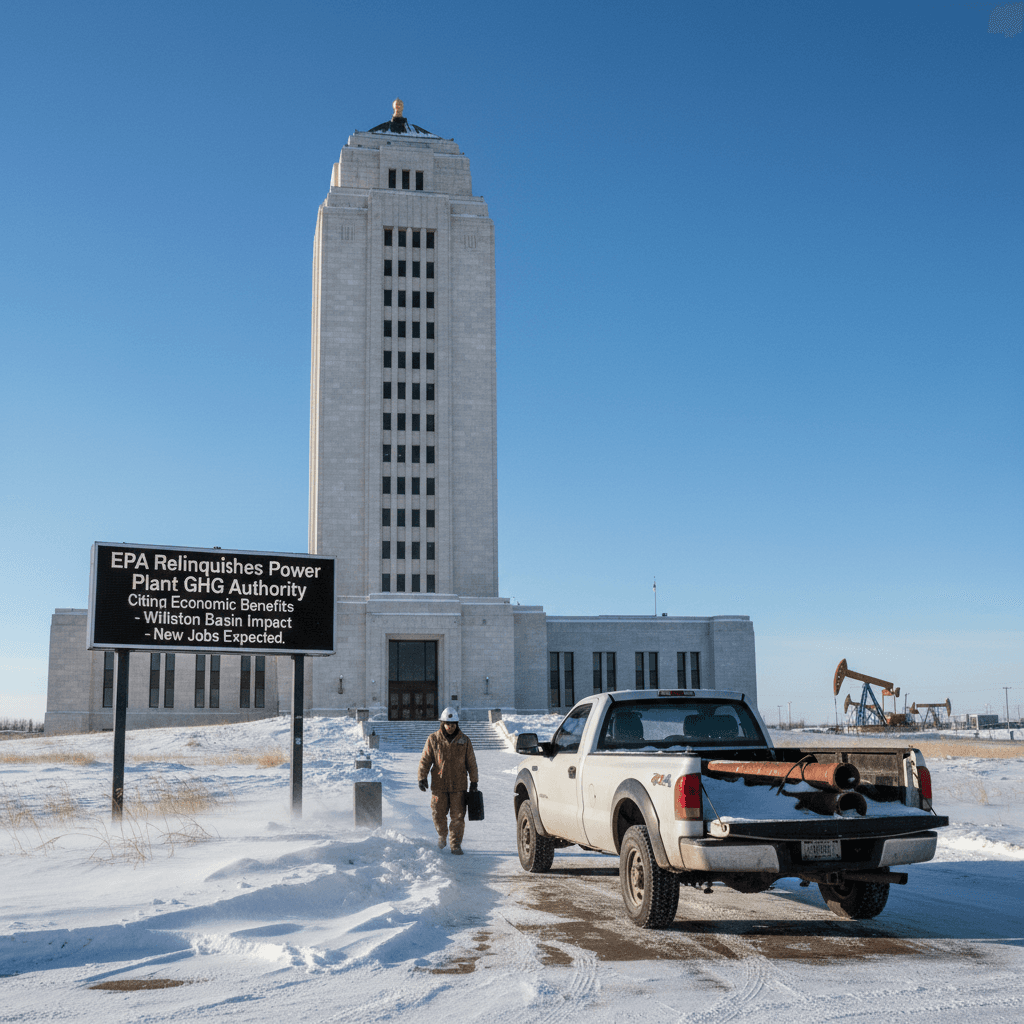
For operators in North Dakota's Bakken formation, higher gasoline prices directly influence the cost of field operations. The increase affects expenses for transportation, well servicing, and the extensive trucking fleet required for oilfield logistics. While Bakken crude is primarily transported by pipeline, local fuel consumption for drilling, completion, and workover activities is substantial.
The price movement also alters the refined products landscape connected to Bakken crude oil. As a key supplier to the national market, Bakken production is indirectly linked to gasoline prices through complex refining economics. A sustained increase in gasoline prices can support stronger crack spreads for refiners, which may provide underlying support for crude oil prices over time.
The broader context of rising fuel costs comes amid ongoing efforts by Bakken producers to manage operational efficiency. Any increase in diesel and gasoline expenses puts pressure on the sector's lifting costs, a critical metric for maintaining profitability, especially for marginal wells. The development underscores the interconnected nature of local production and national fuel markets.
Bakken Wire will continue to monitor fuel price trends and their implications for Williston Basin operators and royalty owners.
Source
Gasoline price data from GasBuddy reported by Rigzone on May 5, 2026.