Geothermal Potential, Global Tensions, and Fusion Progress Shape Energy Landscape
North Dakota's fracking expertise could unlock geothermal power, while Strait of Hormuz closure impacts global flows and a fusion milestone is reached.
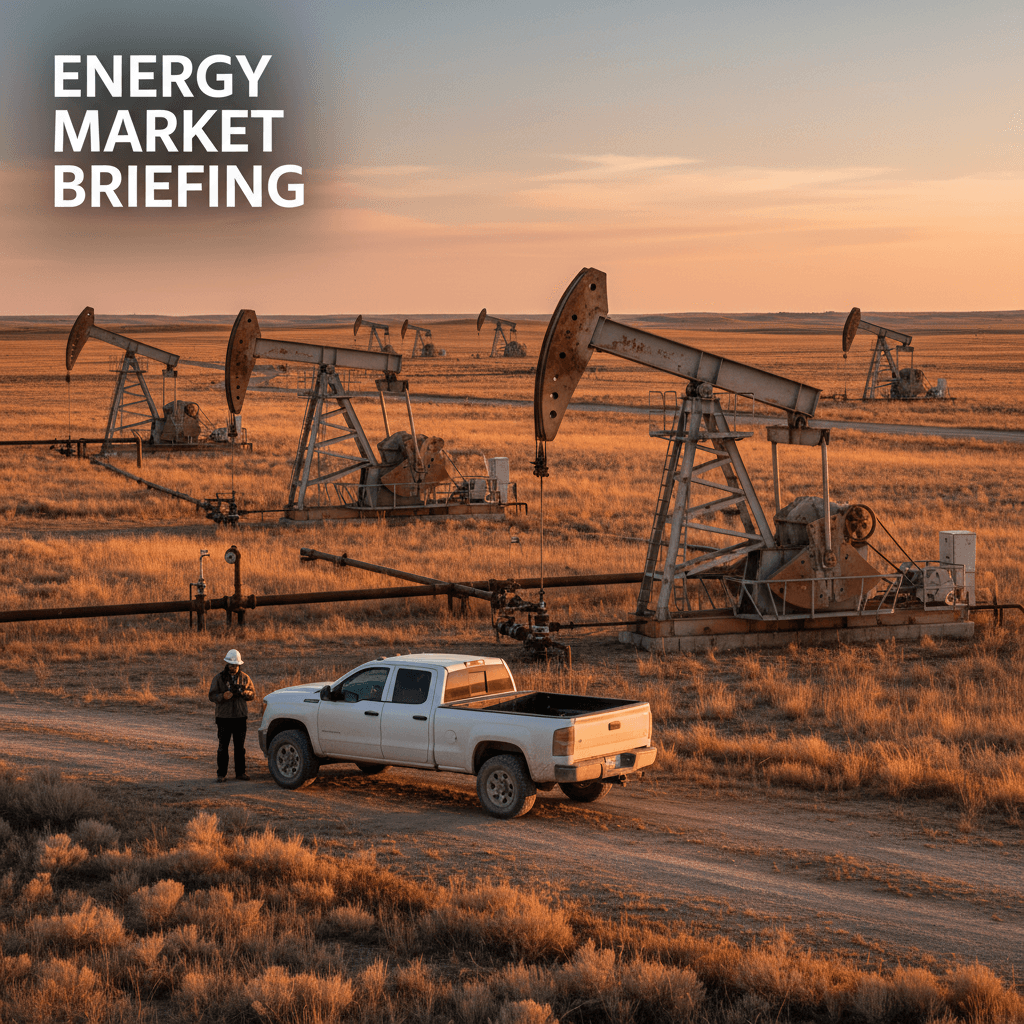
North Dakota's oilfield technology could be repurposed to develop geothermal energy for power generation in the state, according to a recent report. Researchers from the Energy and Environmental Research Center (EERC) presented findings last week, suggesting that hydraulic fracturing could be used to create permeability in tight underground rock formations, allowing water to absorb heat for geothermal production.
“It’s something that was previously cost-prohibitive, though with advancements in oil and gas technology, and obviously fracking, it’s brought that cost curve down,” said Tyler Hamman, assistant vice president for strategic partnerships with the EERC, according to the report. He noted that the state's current geothermal development is largely limited to residential heat pumps and some industrial waste heat applications. The feasibility for widespread power generation remains under study, with the tightness of western North Dakota's rock formations cited as a primary challenge.
Globally, geopolitical tensions continue to disrupt oil logistics. The strategic port of Fujairah in the United Arab Emirates has gained prominence as the Strait of Hormuz remains closed for a ninth week, according to an OilPrice.com report. Fujairah, located outside the strait, is a critical export point for UAE crude via the Abu Dhabi Crude Oil Pipeline and a major global bunkering hub. The port was attacked earlier this week, causing a fire and pushing oil prices higher.
The attack followed the U.S. announcement of "Project Freedom" to escort ships, a project since paused. Fujairah's pipeline has a reported capacity near 1.8 million barrels per day, providing a key alternative route for crude, particularly to Asian markets like India, bypassing the blocked chokepoint.
In energy technology news, the world's largest nuclear fusion experiment, the International Thermonuclear Experimental Reactor (ITER) in France, has reached a milestone. The final component for its central solenoid magnet was delivered, according to a separate OilPrice.com report. The massive magnet, developed in the U.S., is a critical part of the reactor which is a collaborative project among seven major world economies.
ITER is a research project that will not supply power to the grid but aims to advance the science behind commercial nuclear fusion, a potential source of limitless clean energy. The project, however, faces long timelines and a budget estimated around €22 billion, with competition emerging from smaller private ventures.
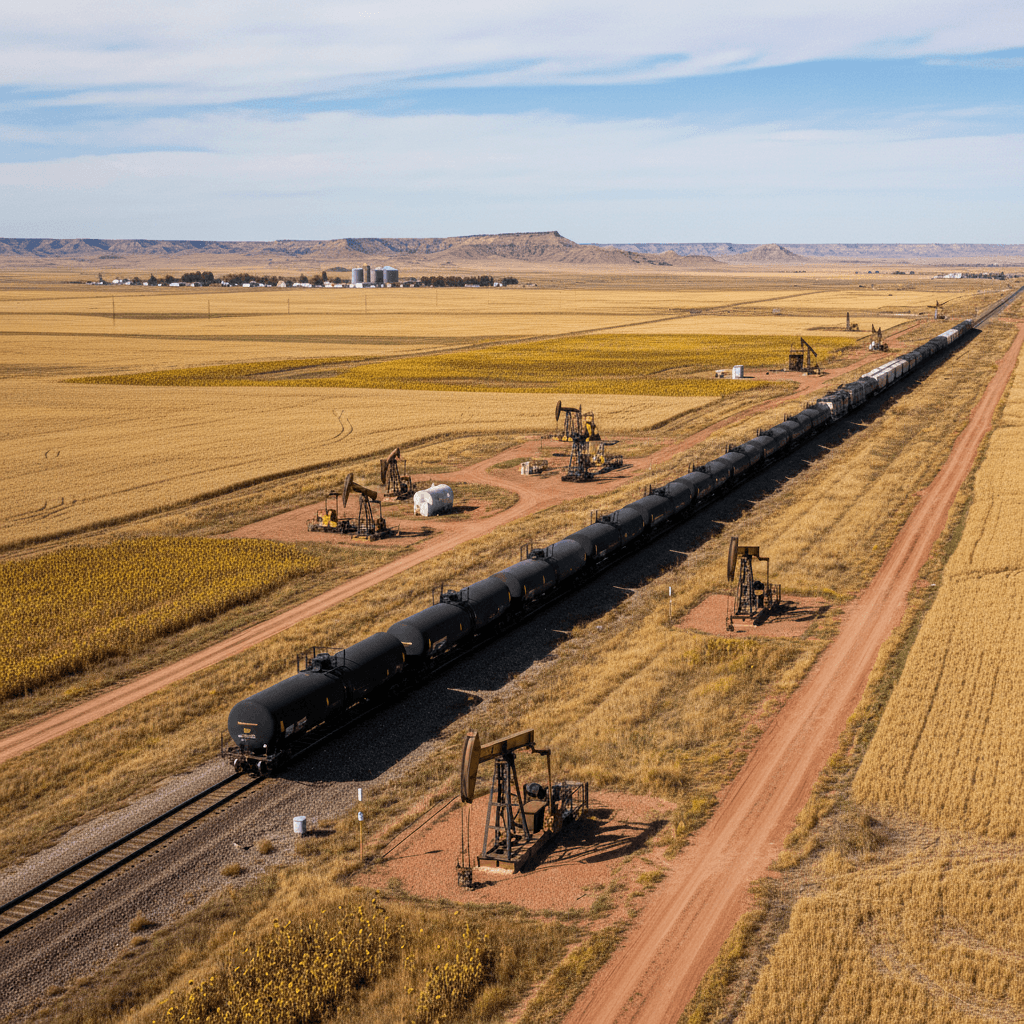
For Bakken operators, the EERC's analysis highlights a potential long-term diversification avenue leveraging existing subsurface expertise and fracturing technology. Meanwhile, persistent instability in the Strait of Hormuz underscores the fragility of global supply routes that influence the price environment for domestic crude.
Source
Bing News, OilPrice.com