Global Clean Investment Drops 17% as Tanker Rates Soar to Records
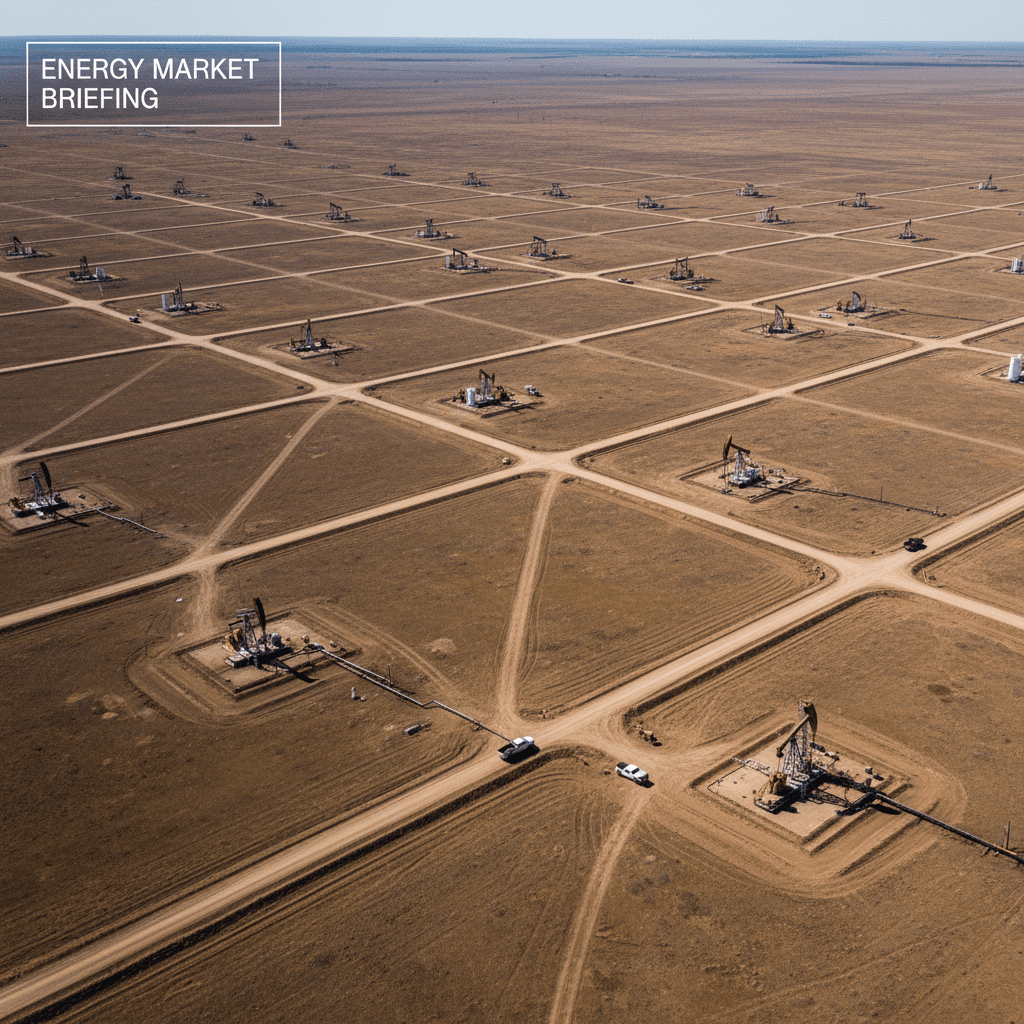
China's clean tech pullback and Middle East shipping risks create a complex global energy landscape with implications for Bakken oil economics.
Global investment in clean energy technologies fell 17% in the first half of 2026, driven primarily by a major policy shift in China, according to a report from the Rhodium Group cited by OilPrice.com. The decline underscores a recalibration in energy transition funding as governments prioritize energy security amid tight and expensive hydrocarbon supplies.
China, the world's largest cleantech investor, saw its investment in alternative energy and electric transport plunge 49%, a drop of $133 billion, after moving to market-based pricing for renewables and phasing out EV purchase-tax exemptions. This slashed China's share of global clean tech investment from 52% at the end of 2025 to 39% by June 2026. Meanwhile, investment increased in India and the European Union.
Simultaneously, the cost of moving oil across the globe has skyrocketed due to escalating risks in the Middle East. Oil tanker rates have hit record highs as shipping through the Strait of Hormuz becomes increasingly dangerous amid a U.S.-Iran tanker war, OilPrice.com reported. Traders are being forced to use longer, more expensive trade routes, tightening vessel availability.
The daily rate for a Very Large Crude Carrier (VLCC) from the Middle East to China has reached a record high of almost $800,000. Chartering a supertanker from the U.S. Gulf Coast to Asia now costs a lump-sum fee of $29.5 million per run, not including additional war risk premiums. "The market is quite stressed with all of that, and that’s showing up in the shipping rates," said Alex Grant, Equinor’s global head of crude, products and liquids trading.
For Bakken operators, these dual developments create a mixed outlook. The sharp decline in global clean energy investment, particularly from the world's largest funder, may signal a near-term recalibration of transition pressures, potentially reinforcing the strategic value of secure hydrocarbon production. However, the soaring cost of global oil logistics presents a direct economic challenge.
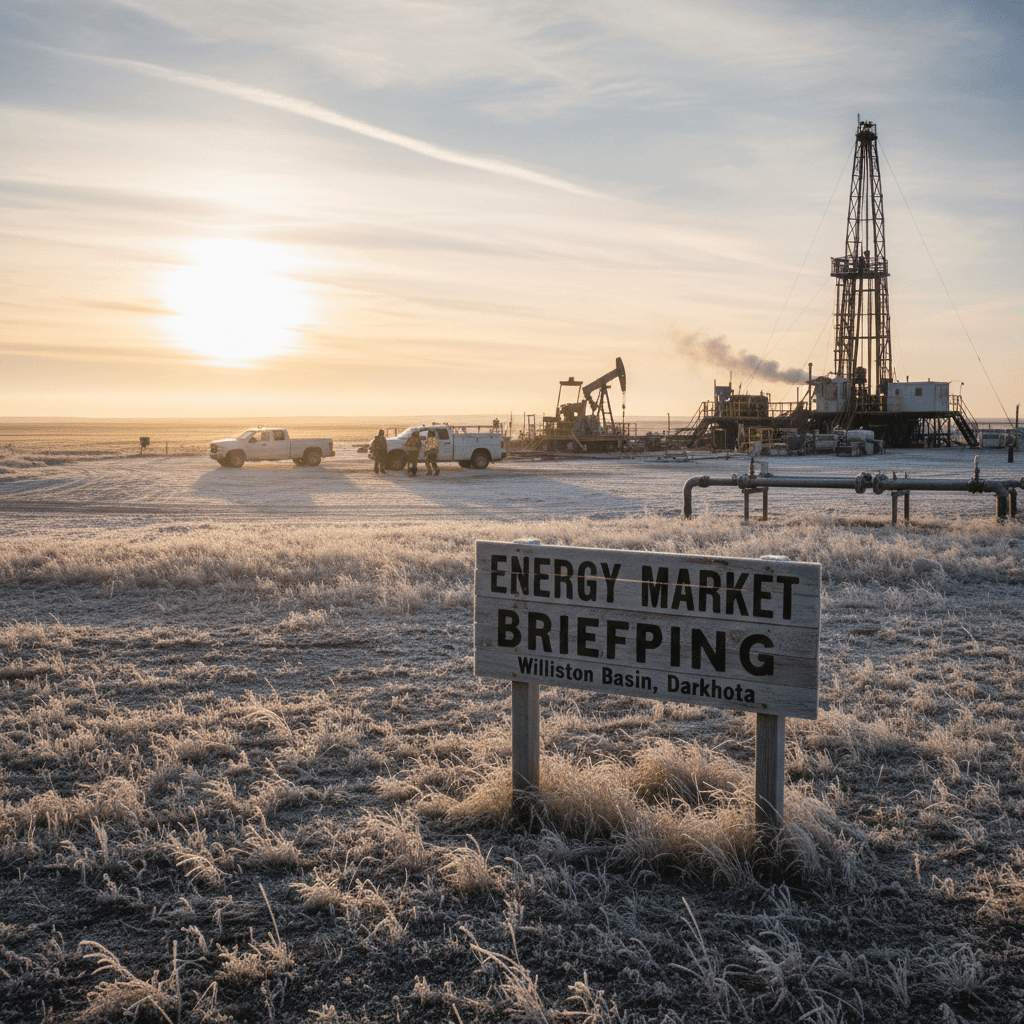
Elevated tanker rates increase the cost of delivering U.S. crude, including Bakken barrels often shipped via pipeline to coastal terminals, to key international markets. This can squeeze the price differentials that make Bakken crude competitive abroad. Yet, the underlying driver—geopolitical risk constraining Middle Eastern flows—also reinforces the global demand for stable, non-OPEC supply from regions like the Williston Basin.
The Rhodium Group report noted these shifts are unfolding as governments reassess policies in the context of "increasingly tight hydrocarbon supply that has put energy security in the spotlight." For North Dakota, this global environment emphasizes the ongoing importance of its oil production to domestic and allied energy security, even as long-term transition trends continue.
Source
According to reports from OilPrice.com citing the Rhodium Group and Bloomberg data.