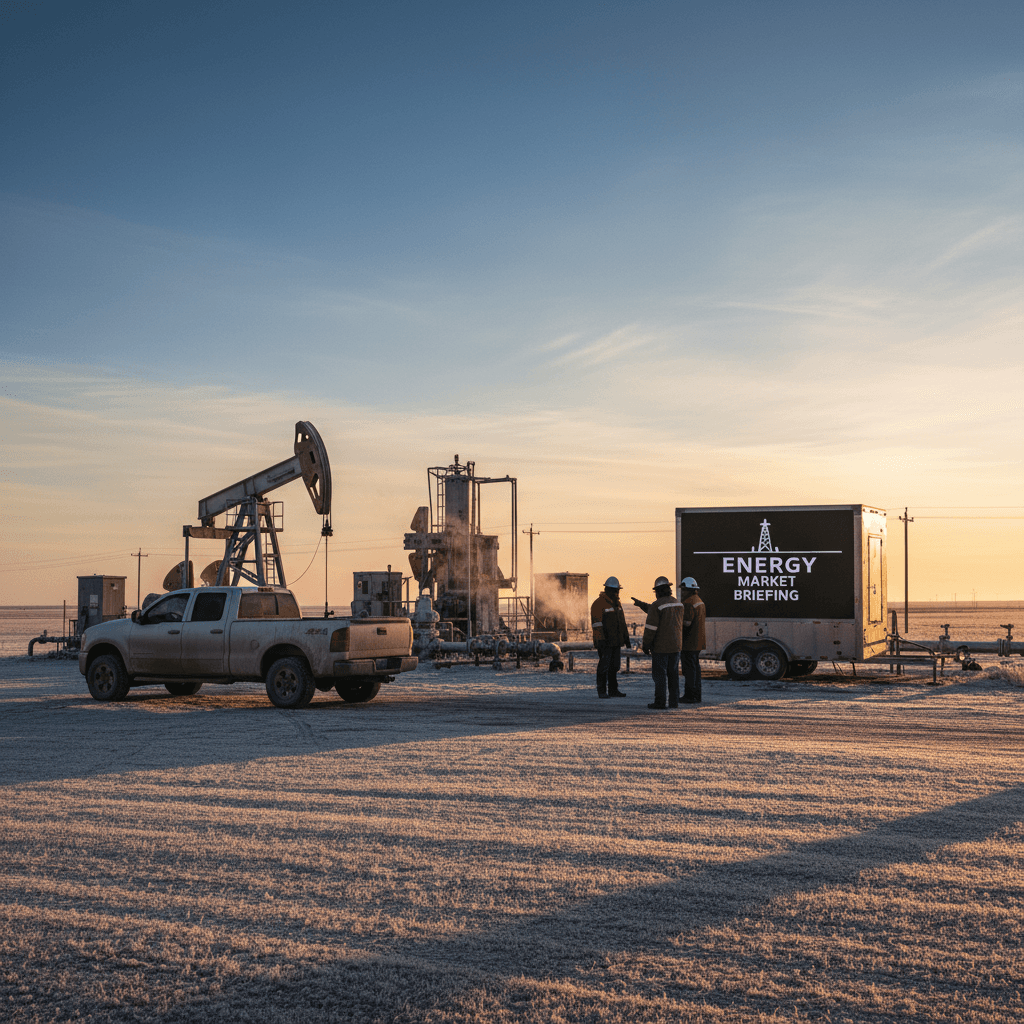
Global Coal Volatility Adds Pressure to Energy Market Outlook for Bakken
China-Indonesia coal contract dispute and elevated thermal prices signal continued uncertainty in global energy demand.
The Bakken formation is North Dakota's primary oil-producing region, and operators here are watching a widening set of global energy market signals as coal trade disruptions, policy uncertainty and elevated thermal coal prices shape demand expectations.
OilPrice.com reported Tuesday that China's coal importers are resisting attempts by Indonesian exporters to include waiver clauses in new supply contracts. According to OilPrice.com, sources familiar with negotiations told Bloomberg that Indonesian exporters want to be freed from strict delivery volumes if the Indonesian government again restricts export or output quotas.
Indonesia is the world's biggest exporter of thermal coal, according to OilPrice.com. The publication said Indonesia changed production and export policies several times this year, stifling international shipments and forcing China, the world's top coal consumer, to adjust import flows and domestic production.
OilPrice.com reported Indonesian thermal coal exports have been crimped by government production quotas and heightened uncertainty in the coal mining and exporting sectors. It said the Indonesian government slashed quotas for coal miners, while a strong El Niño has reduced rainfall and lowered river water levels, disrupting coal barge movements to export ports in recent weeks.
The proposed waiver clauses would mean exporters would not be obliged to deliver contracted volumes if the Indonesian government intervenes again with reduced production or export quotas, or delays export approvals, according to OilPrice.com. It reported Chinese buyers aren't accepting such clauses.
The developments matter for Bakken operators and royalty owners because global energy markets are linked. Coal, gas and oil demand shifts influence overall energy prices and investment sentiment. When major consumers and exporters face policy uncertainty, commodity flows and price signals can become more volatile.
OilPrice.com reported China's imports of coal fell in September by 6% from a year earlier, as Chinese inventories remained robust, supply from key exporter Indonesia remained restricted, and import prices jumped. The decline extended into October, when Chinese coal imports also dropped by 6% from a year earlier, according to OilPrice.com.
Jenny Huang, senior director at Fitch Ratings, told Reuters in the OilPrice.com report: “Chinese buyers appear reluctant to aggressively restock at current elevated price levels, given comfortable inventory positions and expectations for improving domestic supply.”
Fitch said in a report last month, as reported by OilPrice.com, that thermal coal prices in Asia are expected to stay elevated in coming months as demand is strengthening in the ongoing gas-to-coal switch, while supply from China and Indonesia is falling. According to OilPrice.com, Fitch cited lower Chinese output, highly uncertain Indonesian export volumes amid policy changes, and strong demand for coal in Japan and South Korea as factors keeping prices elevated in the near term.
For North Dakota, the immediate relevance is the broader energy-demand picture. The Bakken's producers, service companies and royalty owners are sensitive to global price expectations, not only to regional drilling activity. Elevated coal prices and shifting fuel substitution can affect energy market sentiment and commodity trading conditions, according to the global market trends described by OilPrice.com.
OilPrice.com also published related headlines pointing to China buying oil again after months of living off stockpiles, U.S. traders weighing costs of Trump's Russian diesel, and an Iran war expected to drive a drop in global fossil fuel emissions in 2026. Those headlines, as reported by OilPrice.com, underscore that global energy flows remain a key variable for oil-producing regions.
Source
OilPrice.com