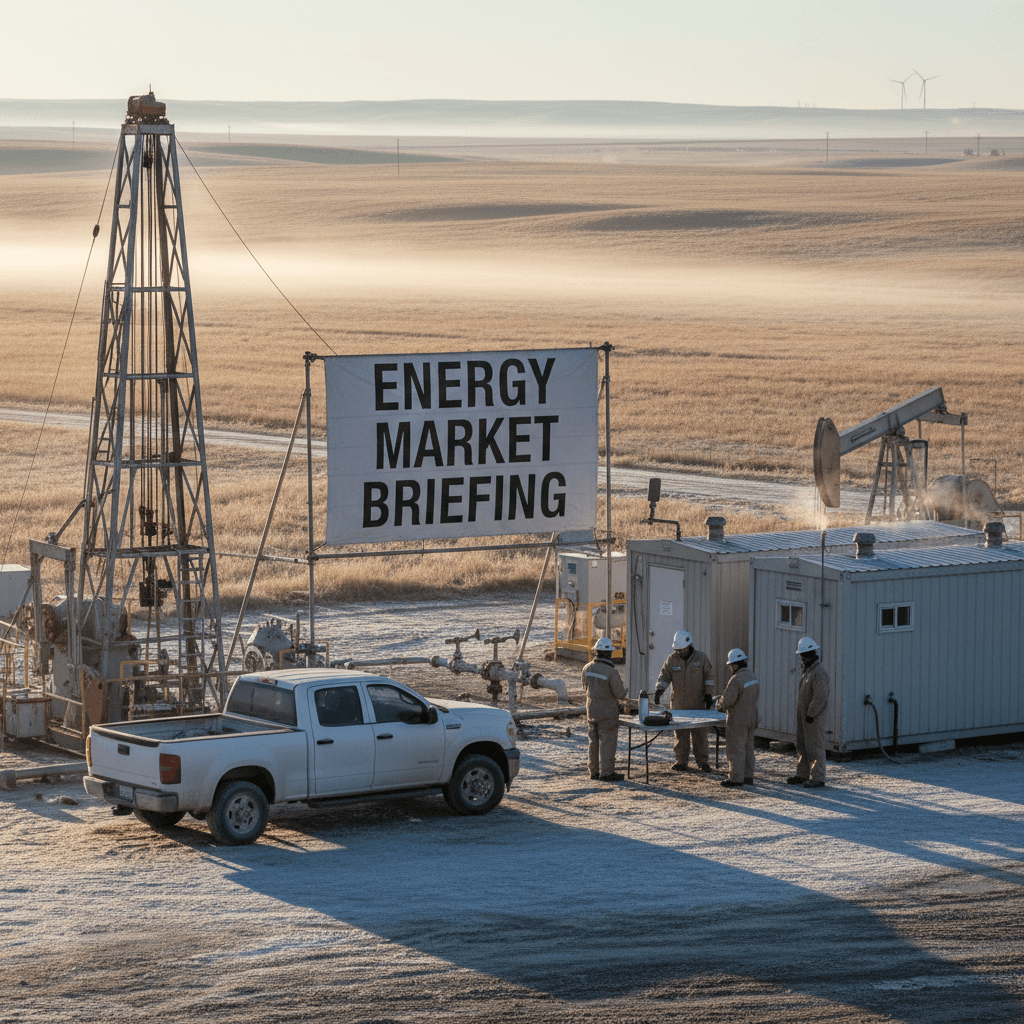
Global Diesel Crisis Spurs Export Talk, Impacts Bakken Economics
Record-high diesel prices and global supply threats create volatile backdrop for North Dakota producers as crude prices hold near $100.
A global diesel supply crunch is fueling a new wave of energy nationalism, creating a complex price environment for Bakken crude oil producers. According to OilPrice.com, governments worldwide are prioritizing domestic fuel supply, with China imposing a fuel export ban this month and Russia maintaining a diesel export ban. The United States recently threatened Europe with a similar diesel export ban to pressure the release of fuel from strategic reserves.
The crisis, analysts warn, stems from the ongoing war involving the United States, Israel, and Iran, which has hurt fuel supplies more than crude oil. Diesel crack spreads—the profit margin for refining crude into diesel—hit an all-time high exceeding $100 per barrel in September. While the U.S. eventually dropped the idea of a ban after securing a commitment from the EU to release 100 million barrels of crude and fuel, diesel prices remain elevated. The U.S. national average was $6.3151 per gallon as of Tuesday, October 6.
For Bakken operators, this refining margin dynamic is critical. High diesel cracks can support strong demand for light sweet crude like that produced in the Williston Basin, as refiners seek feedstock to produce profitable fuels. However, the threat of export controls introduces market uncertainty. The U.S. produces more diesel than it consumes, but the fuel trades on a global market where prices are at record highs.
Meanwhile, global crude benchmarks remain firm despite some downward pressure. Rigzone reported that Brent crude closed near $100 per barrel on October 7 as traders balanced escalating threats to Middle Eastern shipping lanes against apparently resilient regional oil exports. This sustained high price environment provides direct revenue support for North Dakota's oil production.
The geopolitical landscape continues to threaten refined product supplies. OilPrice.com notes that Ukrainian President Volodymyr Zelensky said his forces will increase attacks on Russian refineries, potentially tightening global diesel supplies further. Concurrently, a lack of global refining capacity is failing to make up for lost product supply from the Middle East.
The situation underscores a shift in energy policy focus from securing the "best deal" on resources to guaranteeing domestic fuel supply, a form of resource nationalism. For North Dakota royalty owners and operators, the immediate effect is seen in sustained high crude prices paired with volatile, but potentially lucrative, refining margins for their output. The stability of these conditions depends heavily on continued Middle Eastern export flows and the severity of the ongoing global diesel shortage.
Source
OilPrice.com, Rigzone