Global Energy Developments Impact Markets as Bakken Eyes Monthly Gain
Ukraine-Russia refinery strike, Shell's divestiture, and strong monthly oil prices frame the operating landscape.
Global energy developments involving geopolitical conflict, major portfolio shifts, and strong monthly crude prices are shaping the market environment for Bakken operators as July concludes, according to recent reports.
Ukraine struck one of Russia's largest oil refineries, according to a July 31 report from Rigzone. Such geopolitical events can introduce volatility into global crude markets, influencing the price benchmarks against which Bakken crude is sold.
In a separate corporate move, Shell has divested its stake in the Aphrodite gas field to Hungary's MOL, Rigzone reported on July 31. The company stated the decision was "driven by disciplined capital allocation and portfolio choices, as we focus on opportunities that strengthen our integrated LNG value chain." Major portfolio adjustments by international oil companies can signal shifting strategic priorities that may influence investment patterns and partner dynamics globally, including in onshore U.S. basins.
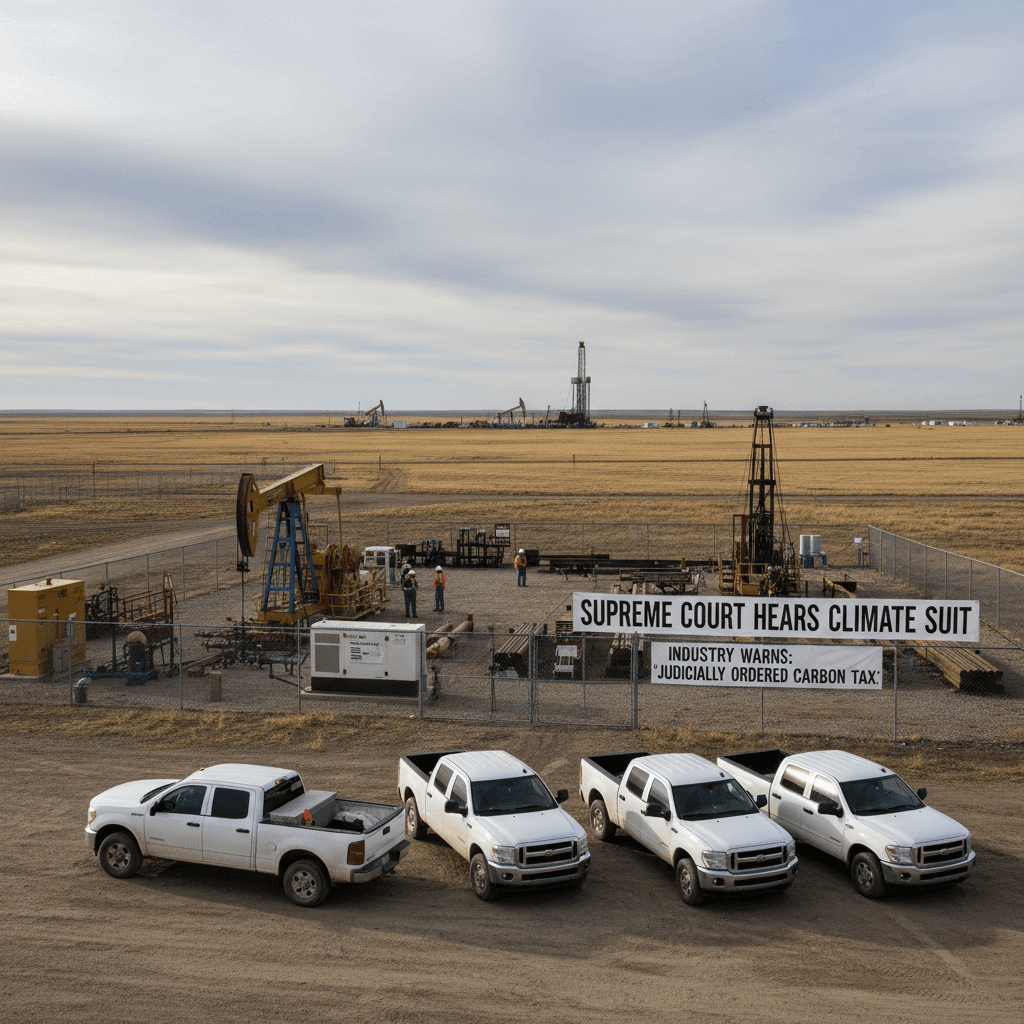
Despite a down day on Friday, July 31, both Brent and West Texas Intermediate crude benchmarks remained on track for a notable monthly gain of approximately 20 percent, according to an analysis by Naeem Aslam, CIO at Zaye Capital Markets, cited by Rigzone. Sustained higher prices directly benefit Bakken operators and royalty owners by improving cash flow and the economics of drilling new wells in the region.
For Bakken-focused companies, the confluence of these events underscores the interconnected nature of the global oil market. While local operational efficiency remains paramount, external factors from geopolitical tensions to the capital allocation strategies of supermajors and broader commodity price trends all contribute to the financial landscape for North Dakota's oil patch. The strong monthly price performance, if sustained, provides a supportive backdrop for activity in the Williston Basin.
Source
Rigzone (July 31, 2026)