Global Energy Import Dependence to Peak by 2034, Rystad Reports
Energy security crises accelerating electrification shift, with high diesel costs impacting Bakken logistics.
Global reliance on imported energy is projected to peak by 2034, according to a major new report from Rystad Energy. The analysis, detailed in the firm's Global Energy Scenarios (GES) 2026 report, finds that energy security concerns driven by recent geopolitical conflicts are accelerating a worldwide shift toward electrification.
The report identifies Russia’s war in Ukraine and the US-Israeli war with Iran—which has severely affected flows through the Strait of Hormuz—as among the most severe tests of the global energy system since the 1970s oil crises. These events have triggered significant market dislocations. A critical overlap has occurred in diesel markets: Ukrainian strikes on Russian refineries prompted Moscow to ban diesel exports just as the Hormuz disruption reduced Middle East supply. According to Rystad, this has left global diesel stocks around 14% below their five-year average, pushing U.S. diesel cracks above a record $100 per barrel.
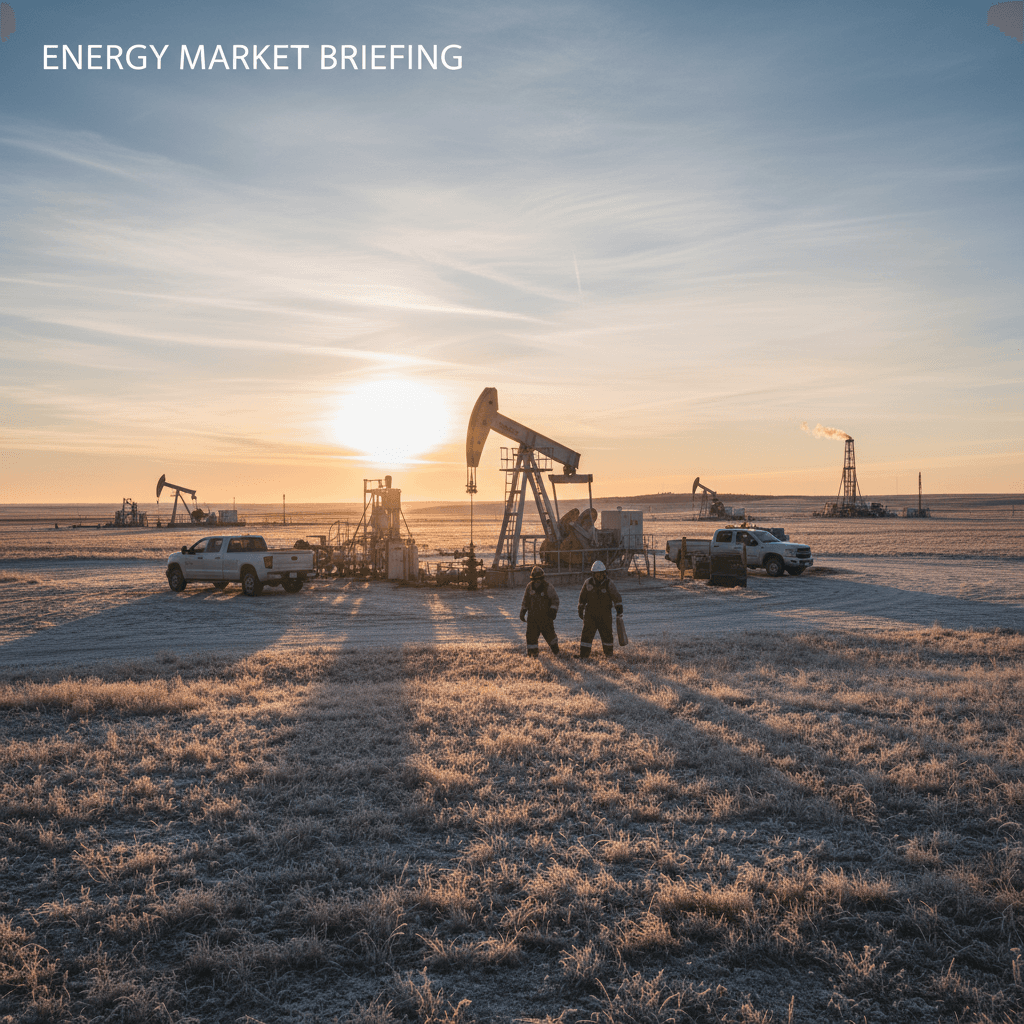
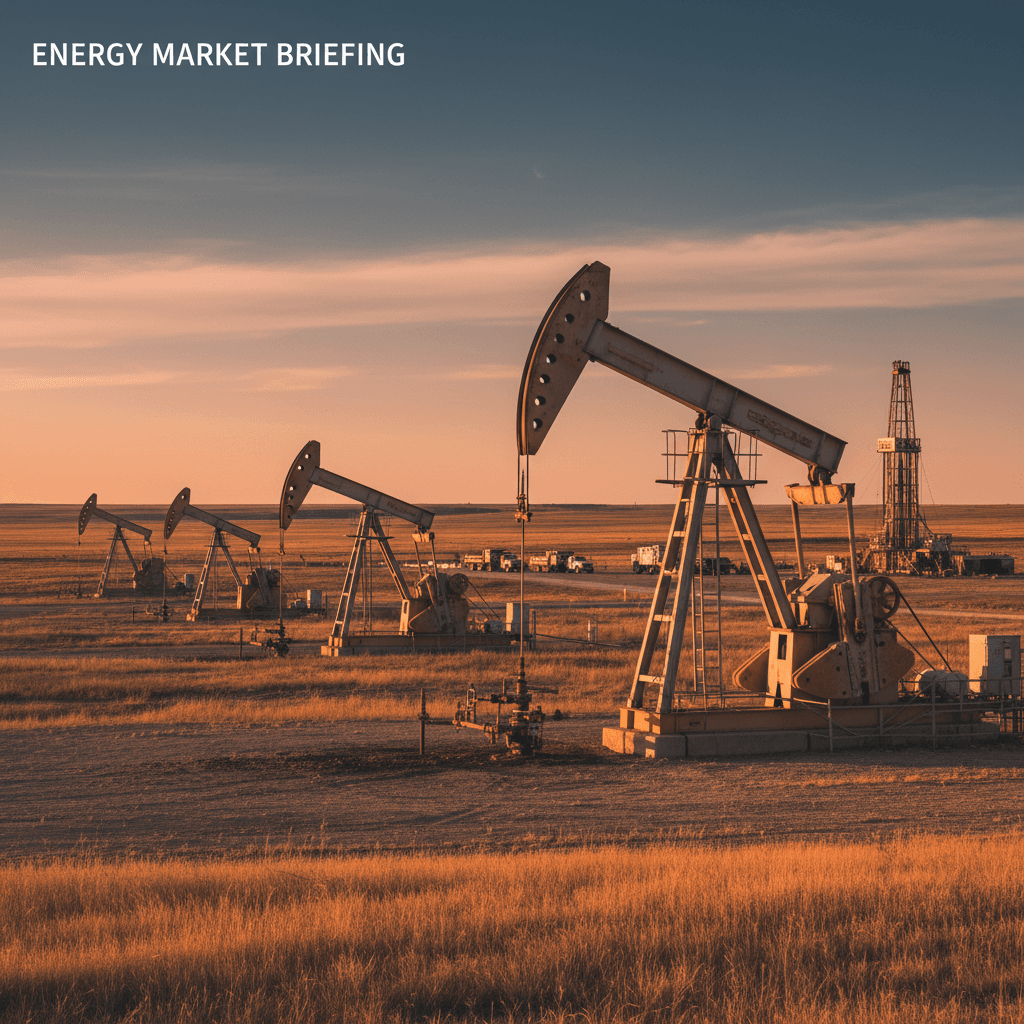
For Bakken operators, the record-high diesel cracks directly raise the cost of trucking, shipping, and freight, which are essential for well completions, sand hauling, and crude transportation in North Dakota. The increased operational expense squeezes margins at a time of global market volatility.
The system's resilience has so far been buffered by infrastructure built after the initial shock of the Ukraine war. Rystad notes that by 2025, U.S. LNG supplied around 21% of Europe's gas imports, up from about 6% in 2021. This demonstrates a sustained role for U.S. hydrocarbons, though Europe and Asia are now competing for the same LNG cargoes. In response to the crises, governments worldwide have enacted measures. Since February 2026, nearly 100 countries have cut fuel taxes, paid subsidies, or capped prices to shield consumers.
The broader policy response emphasizes energy security, making electrification "more politically durable," including in countries like Italy and Japan. Most nations are pursuing electrification with domestic energy sources, such as renewables, nuclear, and, where reserves exist, coal. Rystad notes little new coal capacity is being built, but plant life extensions and delayed phaseouts are adding years of emissions.
Separately, OPEC+ ministers reviewed market conditions during a meeting on the sidelines of a Saudi conference this week, according to a statement posted on the cartel's website. The outcome of such consultations continues to influence the global oil price environment that dictates Bakken drilling economics.
The Rystad report concludes that decades of investment and diversification have bought the global energy system valuable time to adapt. The duration of the current crisis, however, hinges on how long the Strait of Hormuz remains constricted. For the Bakken, the immediate impact is seen in strained diesel markets and high logistics costs, while the long-term trend points to a world gradually reducing its dependency on traded fossil fuels.
Source
OilPrice.com (Rystad Energy report), Rigzone (OPEC+ meeting)