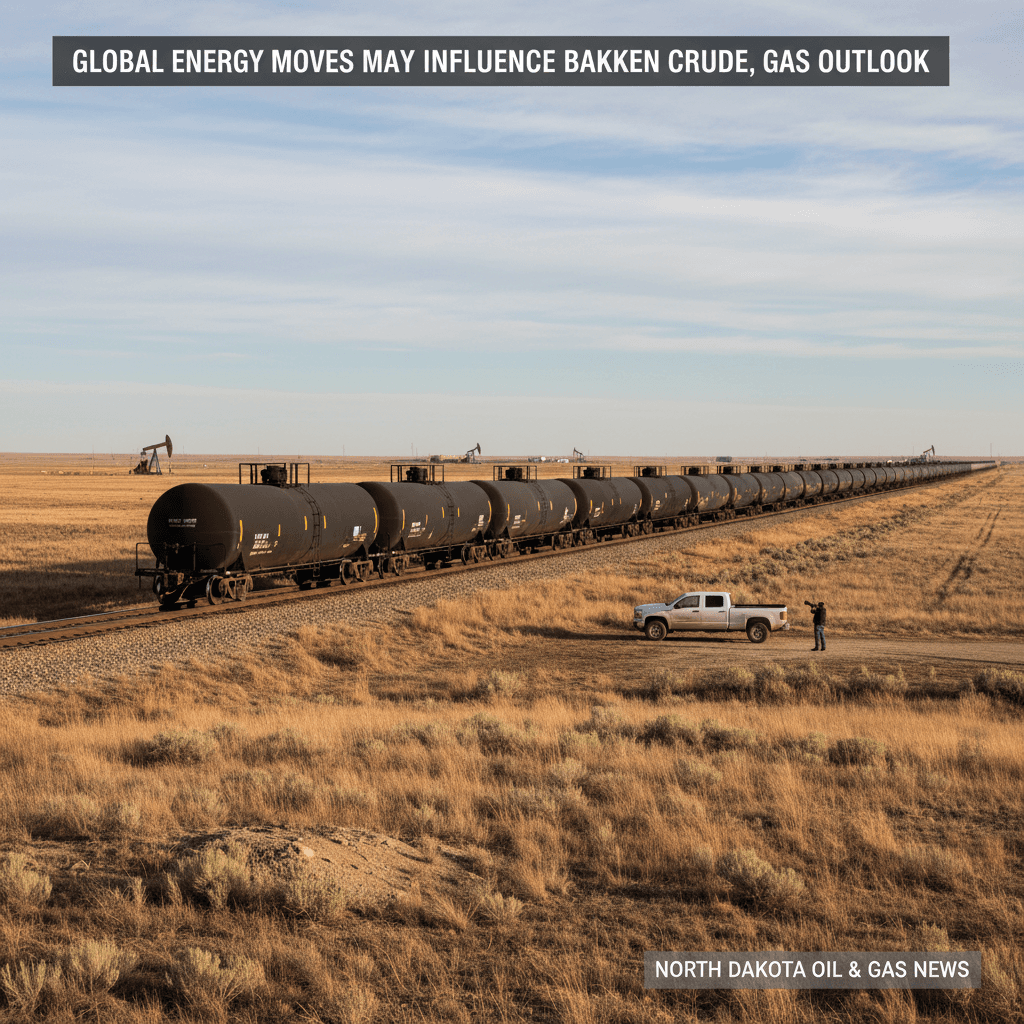
Global Energy Moves May Influence Bakken Crude, Gas Outlook
OPEC+ reviews market as China secures winter gas supply, setting a backdrop for North Dakota producers.
Global energy developments this week are setting a tone that could influence pricing and sentiment for Bakken operators. Key factors include a meeting of the OPEC+ producer group and China's preparations for winter natural gas demand.
Ministers from the OPEC+ alliance reviewed market conditions during a meeting on the sidelines of a conference in Saudi Arabia, according to a statement posted on OPEC's website cited by Rigzone. The group, which includes major oil exporters like Saudi Arabia and Russia, periodically adjusts its production targets to manage global supply. While the October 16 statement did not announce any policy changes, such meetings are closely watched by the market for signals that could impact the price of international benchmark crudes, which Bakken crude competes with.
Separately, analysts report that China has stockpiled enough natural gas to meet its winter demand, Rigzone reported on October 16. As the world's largest importer of liquefied natural gas (LNG), China's inventory-building phase can affect global gas prices and trade flows.
For Bakken crude oil producers, the OPEC+ meeting underscores the ongoing influence of the cartel on the global oil price environment. Any future decision by the group to cut or increase output would directly affect the price benchmarks used to sell Bakken crude, impacting operator revenues and drilling economics in North Dakota. A stable or higher oil price supports activity in the play.
The news from China has more direct implications for the region's natural gas sector. The Bakken formation is a significant producer of associated natural gas, and volumes have risen alongside oil output. While most Bakken gas is consumed regionally or in the U.S., a tightening global LNG market typically supports stronger domestic natural gas prices. China's reported buffer may reduce near-term competition for LNG cargoes, potentially easing upward price pressure on international gas and, by extension, the U.S. benchmarks that Bakken gas prices are tied to.
Together, these developments highlight the interconnected nature of the energy markets that Bakken operators navigate. The play's output remains subject to supply decisions halfway across the world and demand shifts in major consuming nations.
Source
According to reports from Rigzone on October 16, 2026.