Global Energy Roundup: Fracking Tech Eyes Geothermal, Supply Chains Key
North Dakota's oil expertise could unlock geothermal power, while global markets highlight the logistics behind moving barrels.
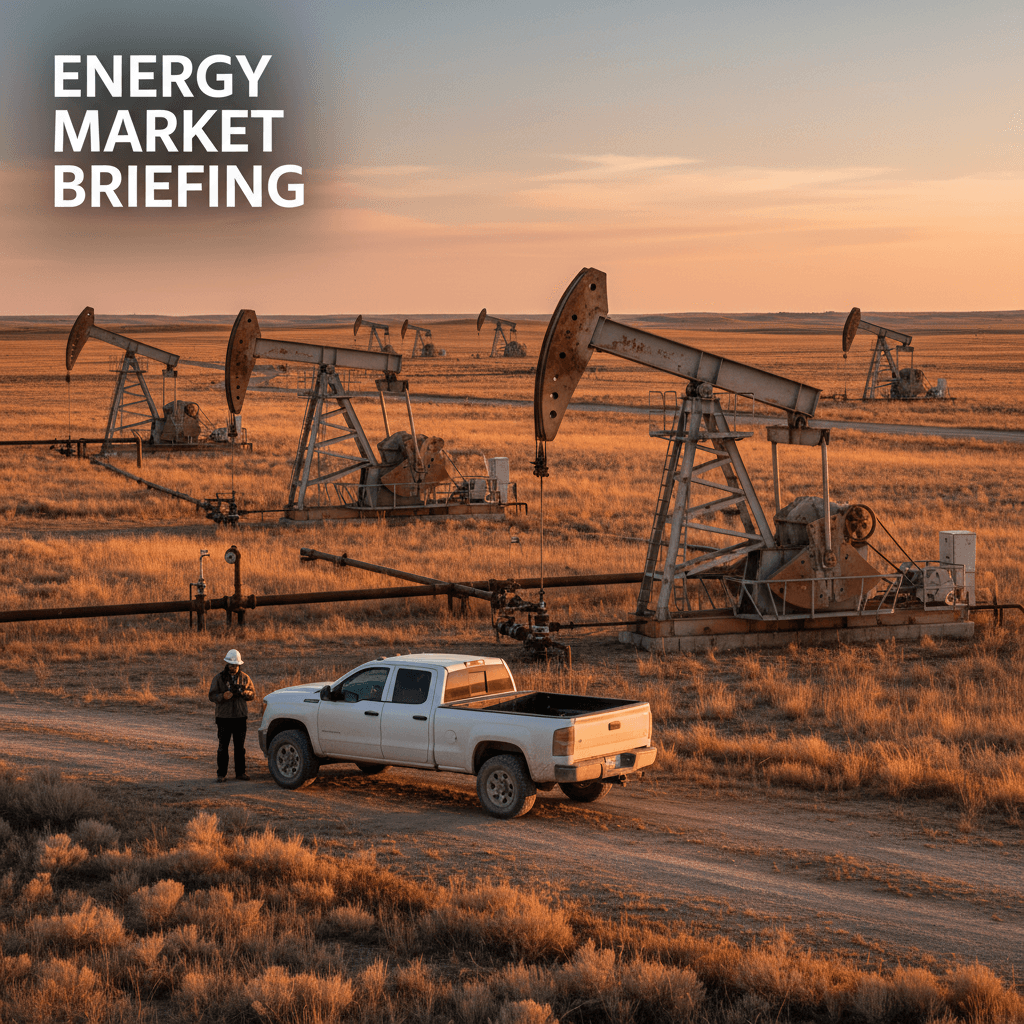
North Dakota's oilfield technology and workforce could be key to developing commercial geothermal energy in the state, according to a new report. Researchers from the Energy and Environmental Research Center (EERC) told the North Dakota Industrial Commission last week that fracking techniques could create the necessary permeability in tight rock formations to make geothermal power generation feasible, Bing News reported.
“It’s something that was previously cost-prohibitive, though with advancements in oil and gas technology, and obviously fracking, it’s brought that cost curve down,” said Tyler Hamman, assistant vice president for strategic partnerships with the EERC. He compared the current state of "enhanced geothermal" to the start of the shale revolution, in terms of proving out the technology. The report noted that while underground temperatures in western North Dakota may be sufficient, the tightness of the rock is a challenge that oilfield technology could solve.
Meanwhile, global oil markets are being shaped by the rebuilding of critical supply chains, not just the return of physical barrels. Venezuela’s oil exports rose 14% in April to 1.23 million barrels per day, the highest level since late 2018, according to OilPrice.com. The increase followed political changes and U.S. licenses reopening legal channels to buyers. A key factor was the import of approximately 141,000 barrels per day of naphtha, a diluent essential for making Venezuela's extra-heavy crude transportable and refinable.
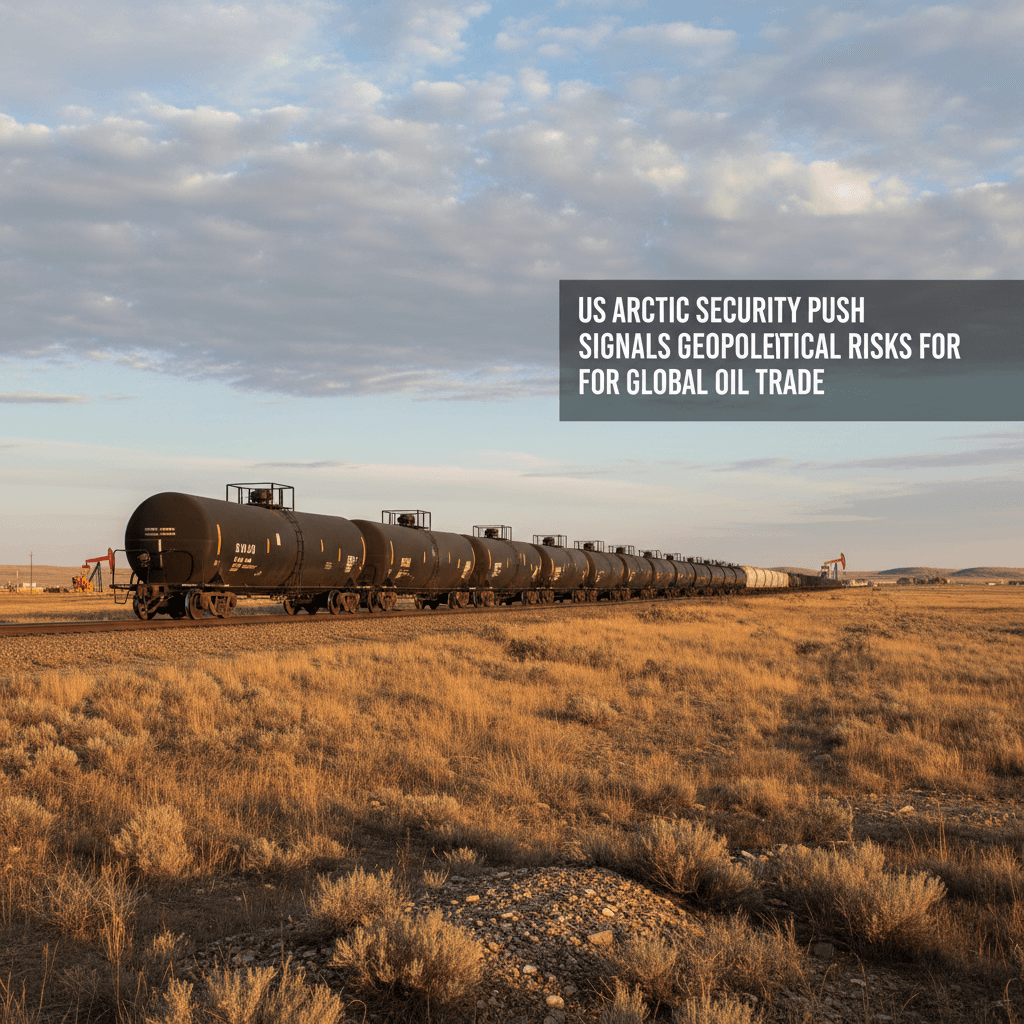
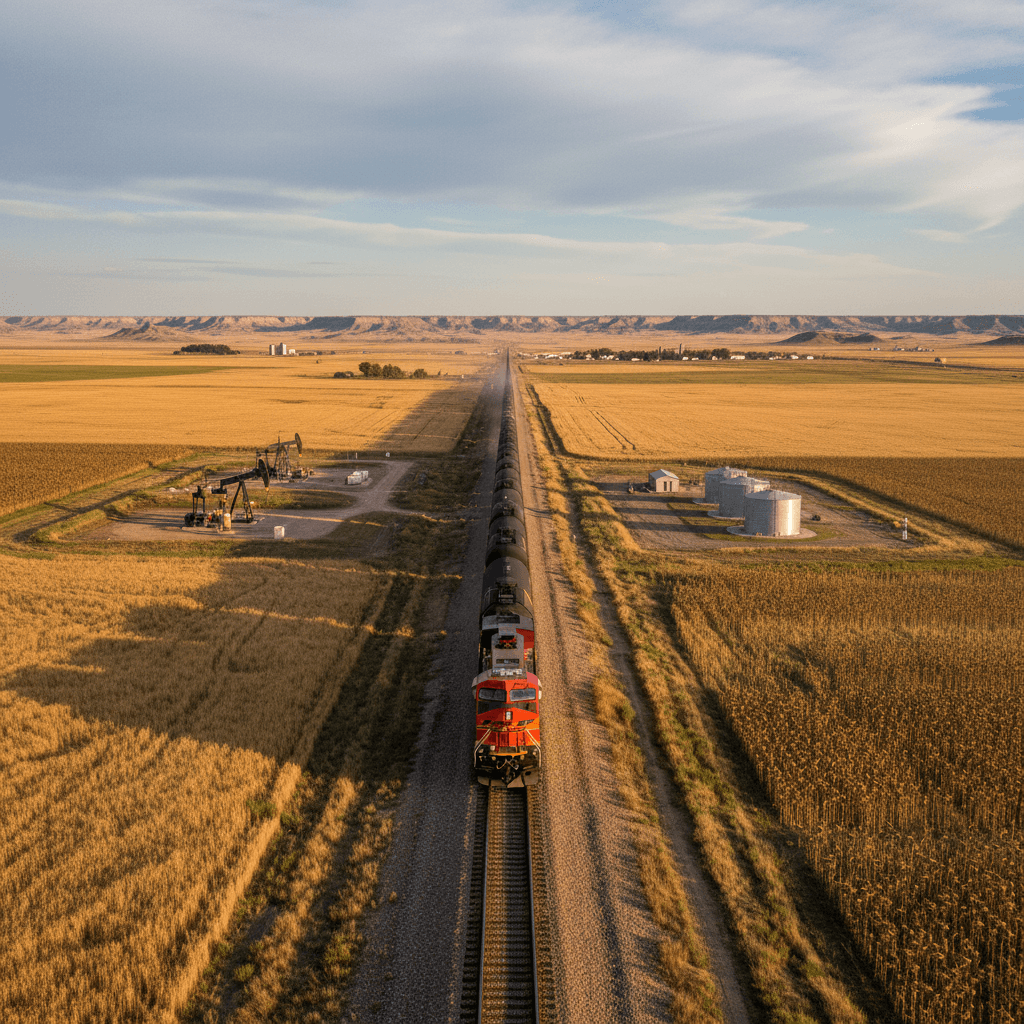
The report argues that Venezuela's rebound demonstrates that supply is a "legal and logistical achievement," not just a physical fact. It highlights the importance of the entire system—including contracts, insurance, shipping, and specialized refining—to turn reserves into marketable supply. This logistics-focused perspective is relevant for Bakken operators who manage complex supply chains to move crude to market.
In Europe, security of supply continues to drive investment in dependable natural gas. Equinor has brought the previously stranded Eirin gas field online as a subsea tie-back to existing infrastructure, OilPrice.com reported. The field, discovered in 1978 but long considered uneconomic, holds an estimated 27.6 million barrels of oil equivalent. Its rapid development, with a final investment decision reached in months and production starting three years after the 2023 project establishment, signals a market prioritising low-risk, efficient projects that leverage existing infrastructure.
The project reinforces Norway's role as Europe's primary pipeline gas supplier and demonstrates how geopolitical shifts, like the war in Ukraine, can quickly change the economics of stranded resources. For Bakken watchers, it underscores the enduring value of low-cost, fast-turnaround projects tied to established transportation networks.
Source
According to Bing News and OilPrice.com.