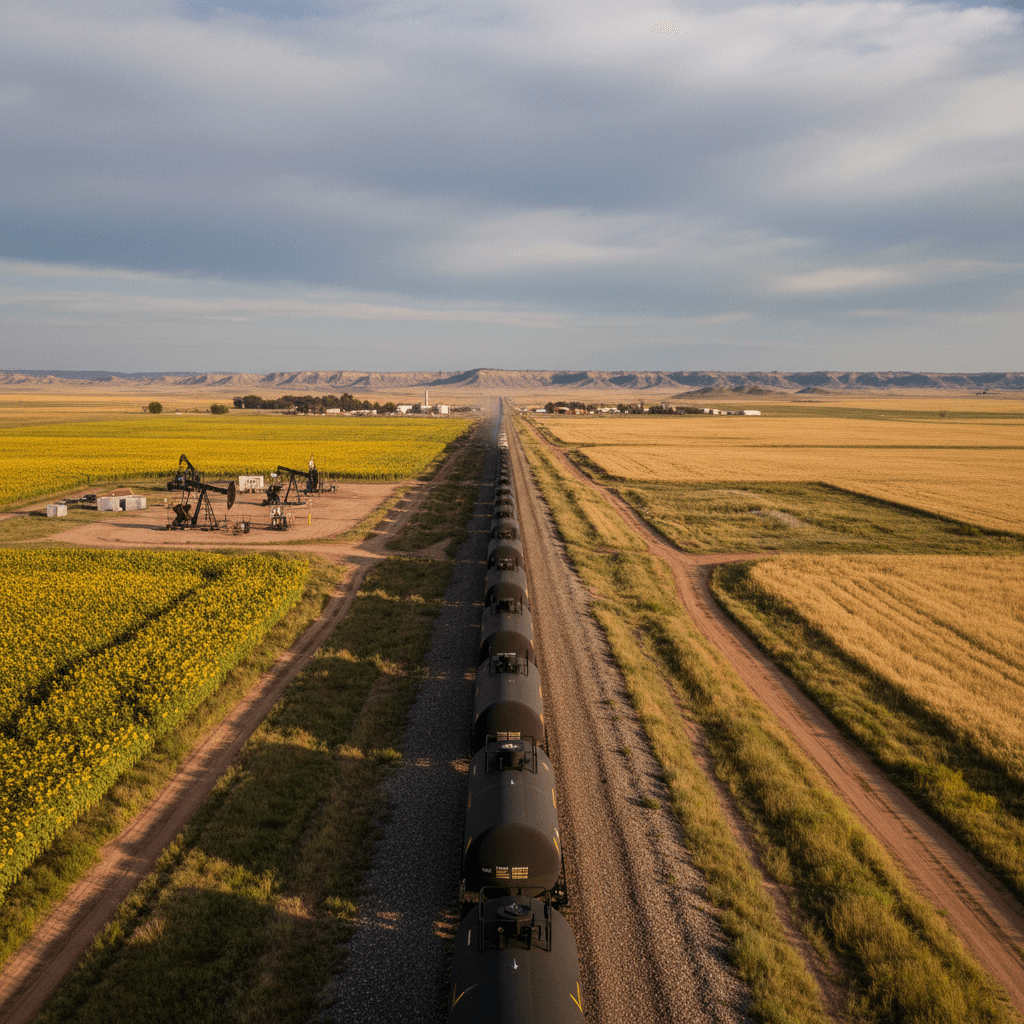
Global Energy Roundup: Hydrogen Race Heats Up, Supply Risks Support Oil
Record hydrogen purity found in China as European nuclear crisis and Iran tensions highlight volatility in traditional energy markets.
The global search for geologic hydrogen reserves intensified this week with a record-breaking discovery in China, according to a report from OilPrice.com. Scientists measured hydrogen seepage in the Sichuan Basin with purity levels between 97.33 percent and 98.24 percent, the highest ever recorded in China. Researchers stated this "became one of the few discoveries globally exceeding 98.00% purity."
Meanwhile, private interests are swarming around similar seeps in the Philippines. Billionaire-backed startup Koloma believes the nation could be "ground zero" for a geologic hydrogen revolution, with its CEO stating the Philippines has "the largest natural hydrogen seeps anywhere on the planet." The potential scale is massive; a recent model cited by OilPrice.com estimates global underground natural hydrogen reserves at approximately 5.6 million metric megatons. Extracting just 2% of that volume would yield twice the energy in all proven global natural gas reserves.
Such a resource could transform energy geopolitics and decarbonization efforts, particularly for developing nations that are net energy importers. For Bakken operators, the long-term development of a clean, abundant hydrogen supply represents both a potential future market and a distant competitive challenge to fossil fuels.
In Europe, a separate energy crisis is unfolding as extreme heat and drought disrupt nuclear power. OilPrice.com reports that five heatwaves have led to record-low river levels, forcing nuclear plants to reduce output or pause operations to avoid overheating waterways and harming aquatic life. In Romania, the state nuclear producer was forced to disconnect its only operating reactor in August despite government mitigation efforts, including dredging and a controlled underwater explosion on the Danube River bed.
In Hungary, the Paks nuclear plant—which typically supplies 40% of the country's electricity—had only one of four turbine units operational during peak low-water levels. This widespread reduction in baseload power generation across Europe increases reliance on alternative sources, including natural gas, supporting global demand for hydrocarbons.
Adding upward pressure to oil markets, crude prices extended a rally on Thursday. According to Rigzone, the increase was driven by strengthening Asian demand and continued supply constraints linked to the Iran conflict. This combination of geopolitical risk and solid demand provides a supportive price backdrop for Bakken crude production.
For North Dakota operators, the global roundup underscores a market characterized by near-term volatility and long-term transition. Current supply risks and European power shortages bolster oil and gas demand, while the accelerating hunt for geologic hydrogen signals a competitive clean energy resource that may one day impact the value proposition of fossil fuels.
Source
OilPrice.com, Rigzone

