Global Energy Roundup: ND Milestone, Saudi Disruption, India's Nuclear Step
North Dakota marks 75 years since first oil discovery as global energy landscape sees security shifts and technological advances.
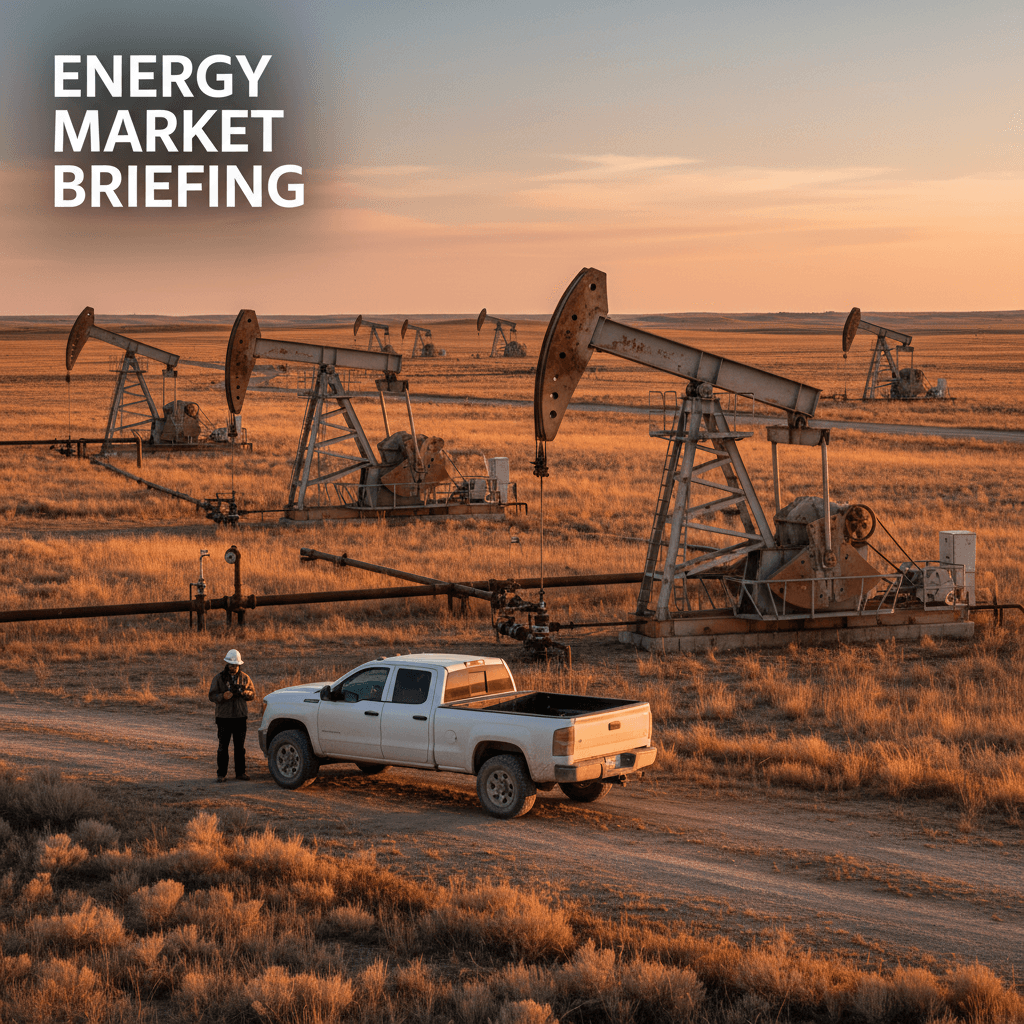
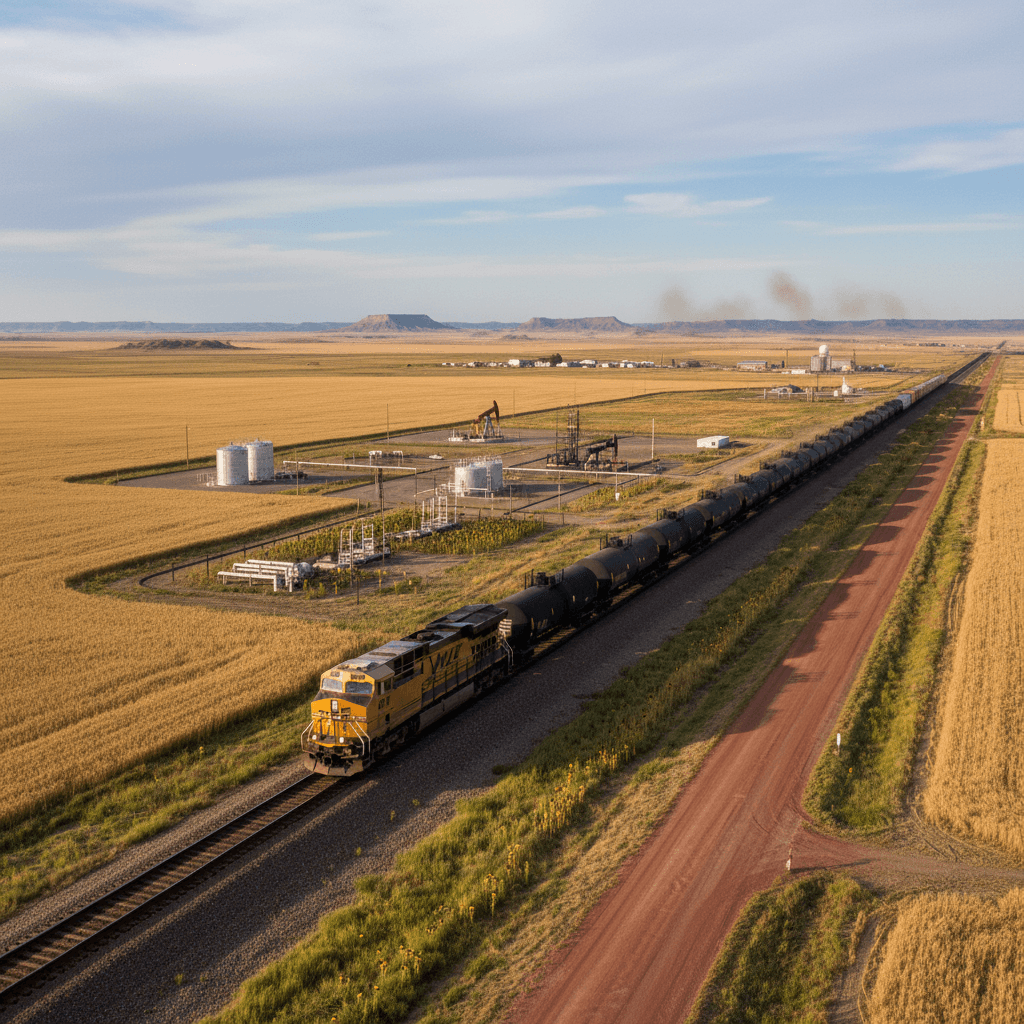
North Dakota's modern energy industry marked its 75th anniversary this week, tracing its origins to the Clarence Iverson #1 well near Tioga on April 4, 1951, according to a column in the Inforum. The state now produces over a million barrels of oil daily, supports roughly 63,000 jobs, and generates nearly $50 billion in annual economic impact, with more than $4 billion flowing back annually in taxes, fees, and royalties.
North Dakota Petroleum Council President Ron Ness emphasized the industry's societal impact. "It’s about the ability of North Dakotans to have an opportunity to live and work in North Dakota," he said, according to the Inforum report. The industry has helped reverse demographic trends, with the state flipping from one of the oldest to one of the youngest in the last two decades.
The technological evolution since the first discovery is profound. Lynn Helms, director of the Department of Mineral Resources, noted it took 18 months to produce the first million barrels in 1951. Today, the state produces a million barrels by 8 p.m. each day, a revolution he compares to "the difference between a Model T and the space shuttle."
Meanwhile, global energy security faced a potential test. Oil exports from Saudi Arabia via the Red Sea were holding steady as of Friday, despite a recent drone attack on a vital cross-country pipeline, Rigzone reported. The full impact of the attack had yet to filter through to flows from the key export terminal. Such disruptions underscore the geopolitical risks affecting global oil markets, against which stable, secure production from regions like the Bakken is valued.
In other global energy news, India achieved a milestone in its nuclear program with its most advanced fast breeder reactor reaching criticality earlier this month, OilPrice.com reported. The reactor, once fully online, will generate 500 megawatts of carbon-free electricity and is capable of producing more fissile material than it consumes. This technology could allow India to reduce uranium imports and eventually use domestic thorium reserves.
Indian Prime Minister Narendra Modi hailed the achievement as "a defining step" toward harnessing the country's vast thorium reserves. Nuclear power currently accounts for just 2% of India's energy mix but is a critical part of its long-term decarbonization strategy, which aims for 100 gigawatts of nuclear capacity by 2047.
For Bakken operators, the juxtaposition of these stories highlights enduring themes: the foundational role of technological innovation, as seen in both North Dakota's drilling advances and next-generation nuclear; the economic and community stability provided by domestic resource development; and the constant backdrop of global supply disruptions that can influence the market for secure U.S. production.
Source
Inforum, OilPrice.com, Rigzone