Global Energy Shifts Present Strategic Context for Bakken Operators
South Africa's LNG terminal search and Exxon's climate warning highlight evolving natural gas demand and policy landscape.
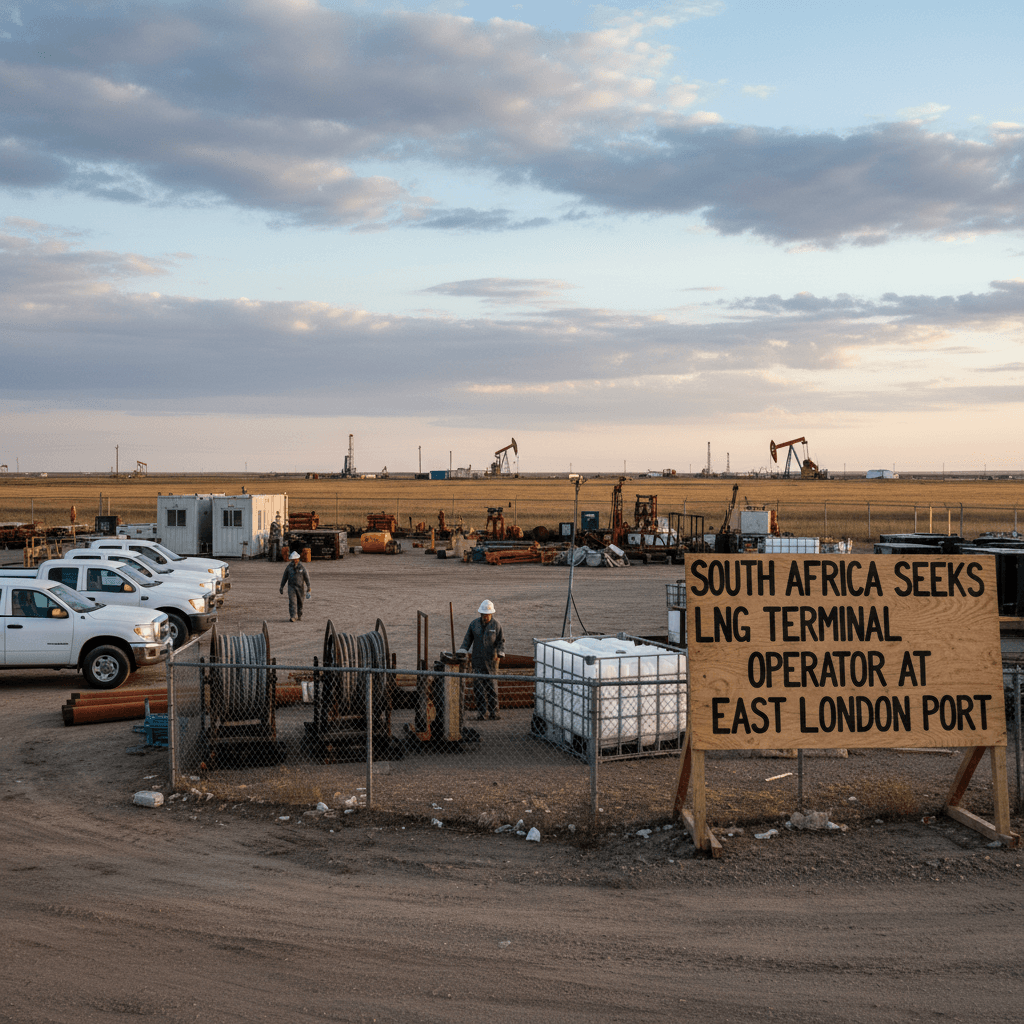
Transnet National Ports Authority is seeking an operator to build a small to medium liquefied natural gas receiving terminal at the Port of East London in South Africa, according to Rigzone. The authority opened applications for the project on September 18, 2026.
Separately, ExxonMobil issued a warning that coal use is accelerating global warming, Rigzone reported the same day. The oil explorer stated its forecasts are based on scientific and economic data accounting for realistic policy and consumer behavior changes.
For Bakken operators, these developments underscore the complex global energy transition shaping markets for North Dakota's resources. The Bakken formation is a major producer of both crude oil and associated natural gas.
The search for an LNG terminal operator in South Africa signals continued international demand growth for natural gas as a potential transition fuel. Increased global LNG infrastructure could support long-term demand for Bakken natural gas, though direct export from the region remains logistically challenging.
ExxonMobil's public stance on coal highlights the increasing pressure on carbon-intensive energy sources. This reinforces the competitive positioning of natural gas, which typically has lower carbon emissions when used for power generation. Bakken gas producers may benefit from this shift if transportation and processing capacity can be developed.
The announcements together reflect the dual pressures of energy security and climate policy influencing investment decisions. Bakken operators must navigate a market where fossil fuel demand persists but is increasingly scrutinized for its environmental impact.
North Dakota's industry continues to focus on associated gas capture and reducing flaring to meet state targets and maintain social license. The global trends toward gas and away from coal provide a broader context for these local operational priorities.
Source
Rigzone (September 18, 2026)