Global Energy Shifts Signal Long-Term Pressure on Fossil Fuel Demand
Electrification push, nuclear renaissance, and battery storage boom present challenges for Bakken's oil producers.
Global energy and climate policy movements are accelerating shifts that could reshape long-term demand for fossil fuels, according to reports from OilPrice.com. For Bakken operators and North Dakota's oil-dependent economy, these trends underscore the mounting pressure to diversify beyond crude oil.
Turkey, hosting the UN’s COP31 climate summit this November, is pushing a global target to electrify 35% of energy use by 2035, up from 20% today. Murat Kurum, Turkey’s environment minister, stated that electrifying sectors like transport and industry would "protect families and businesses from volatile energy markets," according to OilPrice.com. Australia’s climate change minister, Chris Bowen, said COP31 will focus on electrifying the global economy, calling renewable energy "the cheapest form of power available to us." This international policy momentum directly targets the oil sector, which still supplies about 80% of global energy.
Concurrently, a "worldwide renaissance" in nuclear power is underway, driven by energy security concerns, the AI boom's power demand, and climate pressures. OilPrice.com reported that both the United States and Canada unveiled plans this week to build ten new nuclear reactors each. This expansion of reliable, zero-carbon baseload power could further displace fossil fuels in electricity generation over the coming decades.
In the storage sector critical for renewable integration, China's Contemporary Amperex Technology Co. Ltd. (CATL) is betting big on sodium-ion batteries as an alternative to volatile lithium-ion systems. OilPrice.com reported CATL now derives 25% of its sales from energy storage, aiming for 50% by 2030. China added more battery storage capacity in 2025 than the U.S. and EU combined. This rapid scaling of storage technology supports greater grid reliance on intermittent renewables like wind and solar.
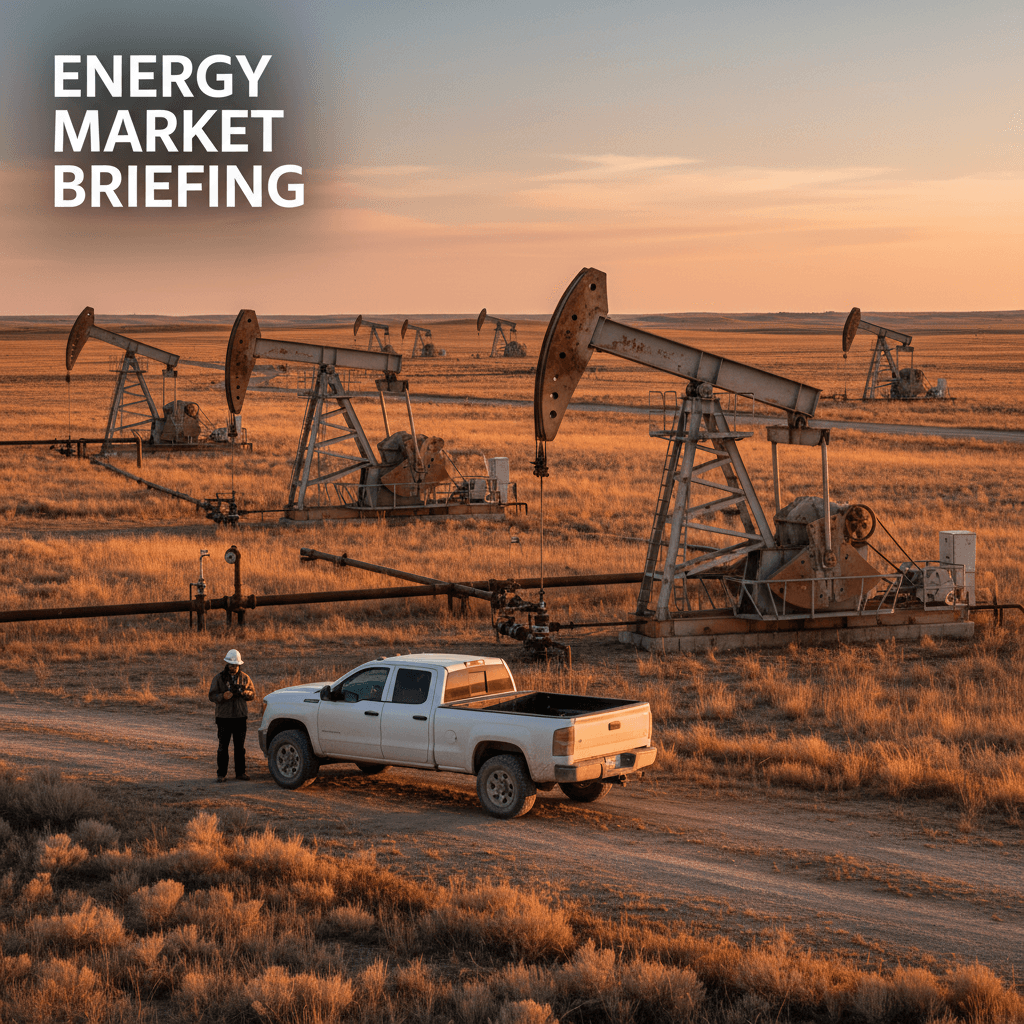
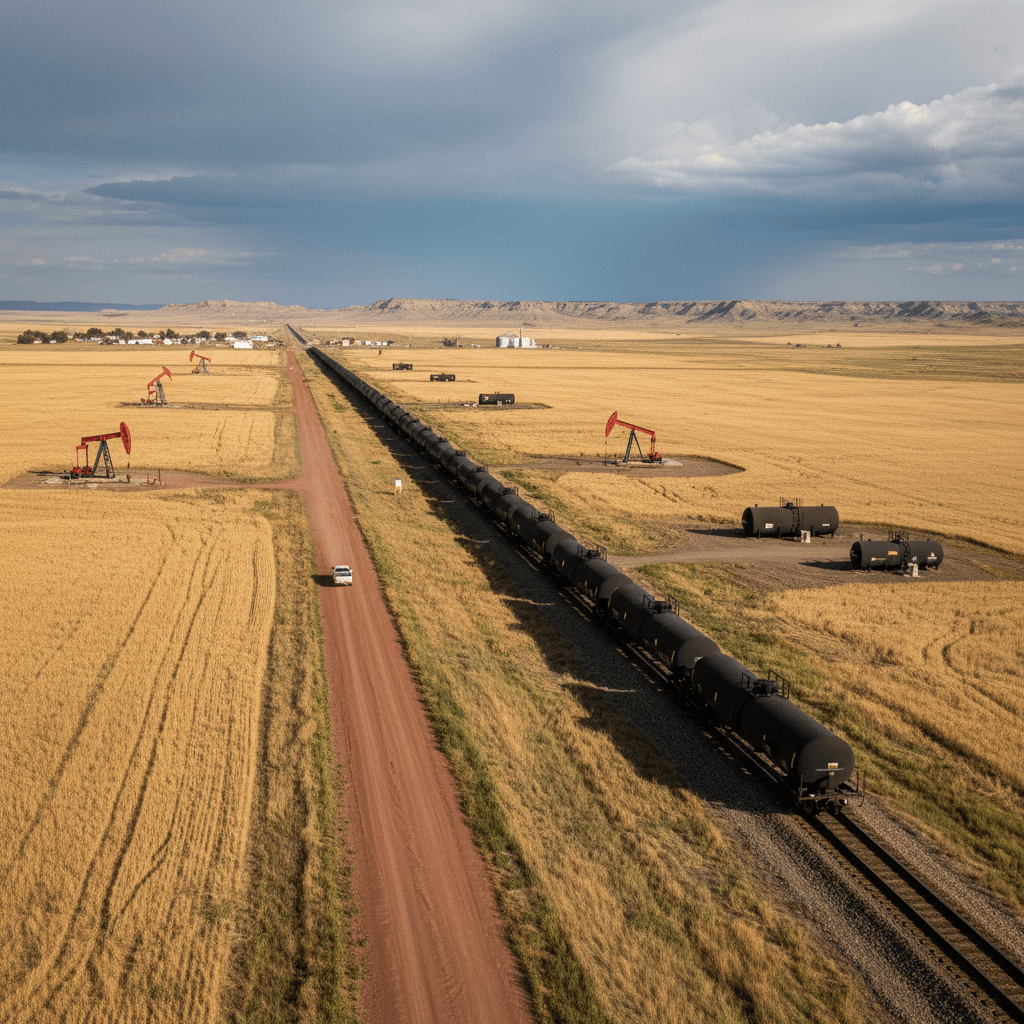
For the Bakken, these converging trends—policy-driven electrification, nuclear power growth, and advancing storage tech—point to a future where global oil demand faces sustained structural pressure. North Dakota's operators are heavily exposed to the transport sector, a primary target for electrification. While fossil fuels dominate the current energy mix, the stated international goals and technological advances indicate a accelerating transition that could impact the basin's long-term outlook.
Source
According to reports from OilPrice.com published June 26-27, 2026.