Global Fuel Shifts, Tanker Moves Signal Volatile Market for Bakken Crude
India's projected gasoline peak and China's renewables push underscore long-term demand pressures, while sanctioned tanker fleet conversion aims to ease Middle East supply tightness.
India's gasoline demand is projected to peak by 2035, according to a key industry leader, signaling a long-term shift in global refined product demand that could impact crude exporters like the Bakken. A S Sahney, chairman of state-owned refiner Indian Oil Corporation, said Wednesday that "Motor spirit is feeling pressure from all sides" from rising ethanol blending and electric vehicles, according to OilPrice.com. However, Sahney noted that demand for diesel and jet fuel is set for continued growth alongside industrial activity.
India, the world's third-largest crude oil importer, remains a critical market. Its refining capacity, currently 5.36 million barrels per day, is set to rise to 5.8 million bpd within a year and target 6.4 million bpd by 2032, Oil Minister Hardeep Puri said last month. This expanding capacity, coupled with India's commitment to continue exporting diesel to meet global demand, provides a mixed outlook for light sweet crude producers, balancing declining gasoline forecasts with stronger distillate needs.
Meanwhile, U.S. efforts to convert "dark fleet" tankers to legitimate service aim to alleviate severe freight rate spikes impacting global oil movement, a factor that influences the netback price for Bakken crude at export hubs. According to a separate OilPrice.com report, the U.S. administration plans to bring previously sanctioned tankers into the unsanctioned trade. Energy Secretary Chris Wright said, "We’re going to move some of the ships from what I call the ‘bad-guy fleet’ to the ‘good-guy fleet,’" estimating it could add dozens or hundreds of tankers to the global fleet. This move responds to freight rates as high as $40 million on some Persian Gulf routes due to risk and high demand.
In China, a massive build-out of renewable energy is accelerating, potentially curbing long-term import growth. The country's installed wind and solar power capacity surpassed 2 billion kilowatts by the end of September, accounting for half the world's total, the National Energy Administration reported. This renewable output covered 64% of China's new electricity demand in the first nine months of 2026. Despite this, China remains a major hydrocarbon consumer and has ordered domestic producers to ramp up oil and gas output to offset Middle East supply disruptions, indicating continued competition for market share.
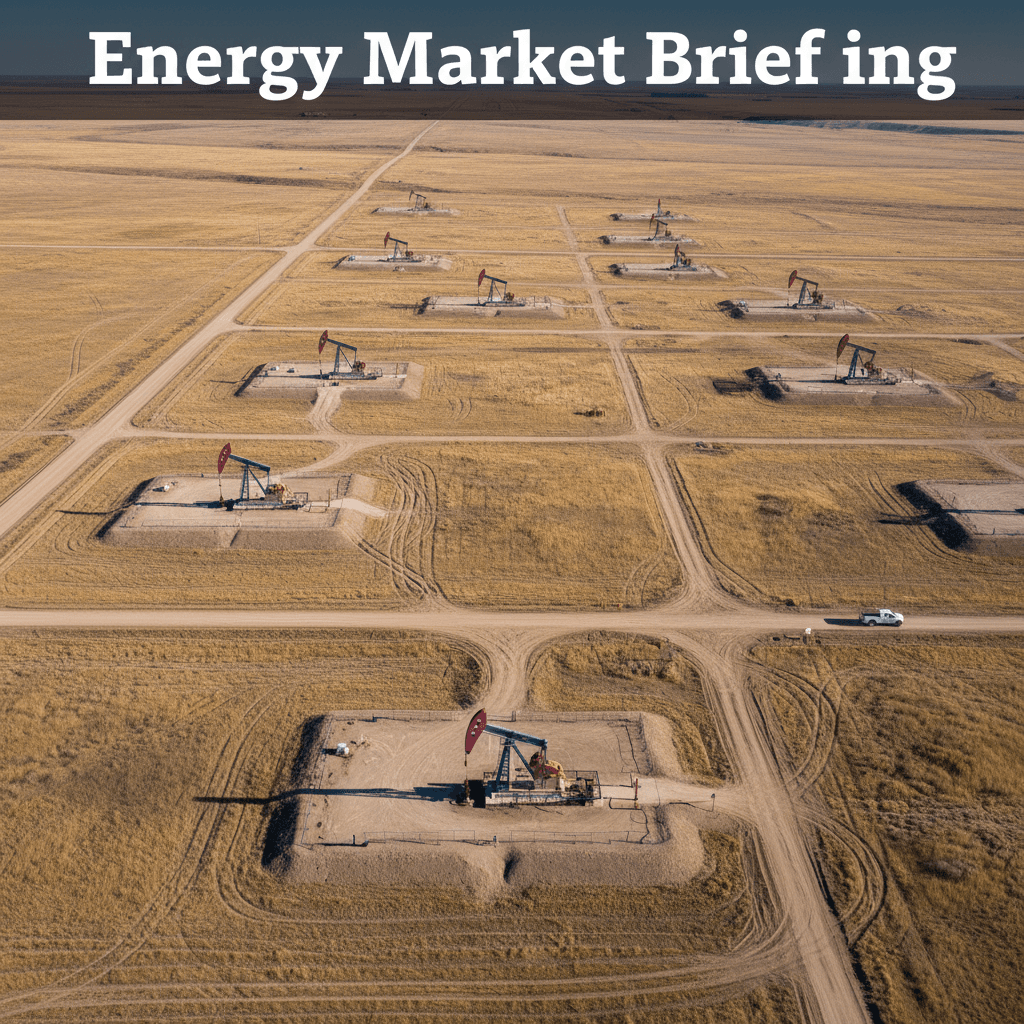
For Bakken operators, these global developments paint a complex picture. Near-term support comes from tight tanker markets easing and sustained diesel demand from growing economies. Long-term headwinds include peak gasoline forecasts in major emerging markets and relentless growth in competing energy sources, underscoring the need for market diversification and operational efficiency in North Dakota's oil fields.
Source
According to reports from OilPrice.com published October 28, 2026.