Global Grid Strains Highlight Need for Baseload Power, Storage
European energy volatility and U.S. nuclear push underscore the critical role of reliable power sources as demand from AI and extreme weather grows.
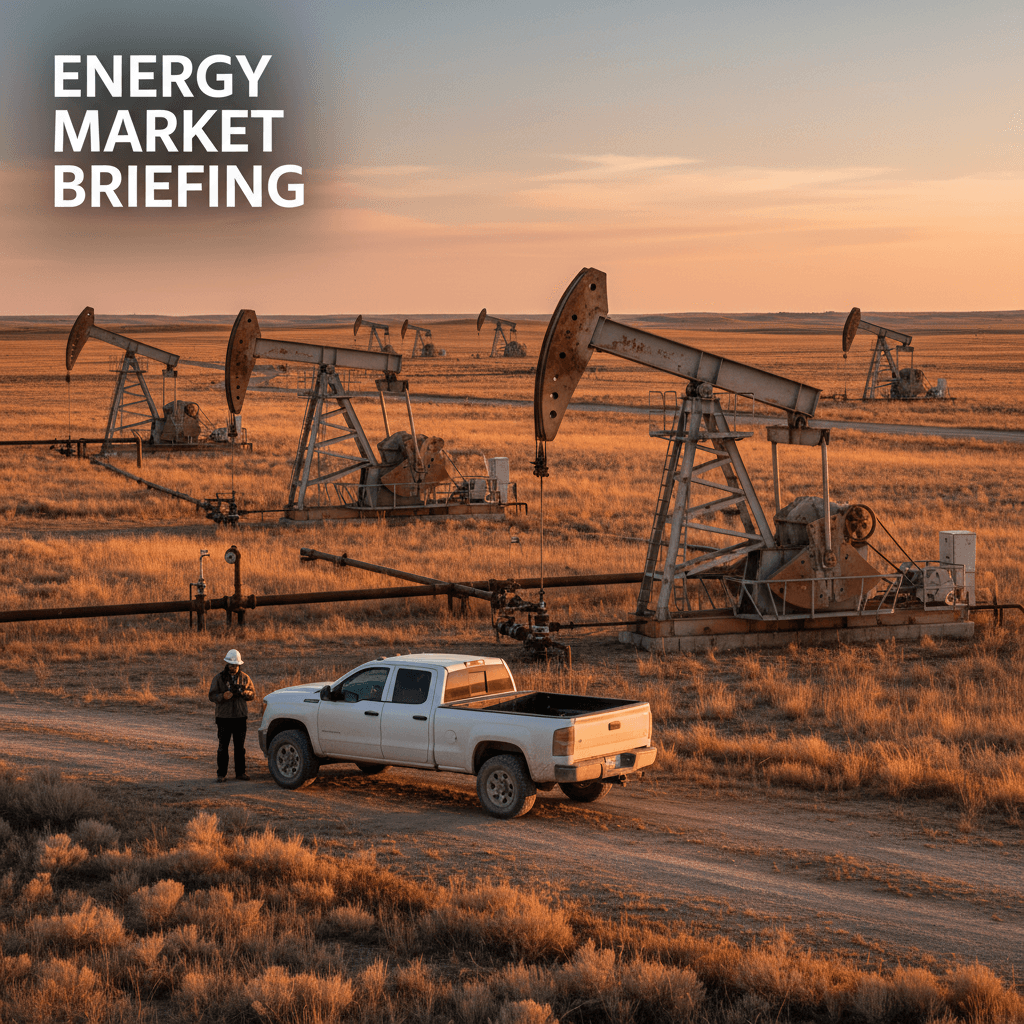
European nations are grappling with a dual energy crisis as intense summer heatwaves strain power grids and disrupt fuel supply chains, according to reports from OilPrice.com. The situation underscores the global challenges of balancing variable renewable energy with reliable baseload power, a dynamic relevant to Bakken operators focused on long-term energy market stability.
An intense early summer heatwave across Europe is drying up major rivers, curtailing nuclear power generation and disrupting inland shipping of fuels like diesel and coal. On the Rhine River, a critical petroleum product corridor, low water levels have forced barges to lighten loads, raising shipping costs and delaying deliveries. In France, nuclear output was recently cut by 6.4 gigawatts due to high river temperatures limiting reactor cooling capacity, OilPrice.com reported.
This supply strain coincides with a structural challenge: Europe's rapid buildout of wind and solar has outpaced the deployment of energy storage, leading to wasted surplus power and market volatility. In response, EU energy ministers last month signed an agreement to triple the bloc's energy storage capacity, aiming to add 30-35 gigawatts by 2028, according to OilPrice.com. The EU estimates it will need 200 gigawatt-hours of storage by 2030, up from just 55 GW today.
The push for storage and reliable generation is also accelerating in the United States. New Jersey this month enacted a law launching a procurement process for a minimum of 1,100 megawatts of power from next-generation nuclear projects, such as small modular reactors (SMRs). The move is driven by ballooning energy needs from data centers and the AI boom, which demand round-the-clock, baseload power, OilPrice.com reported.
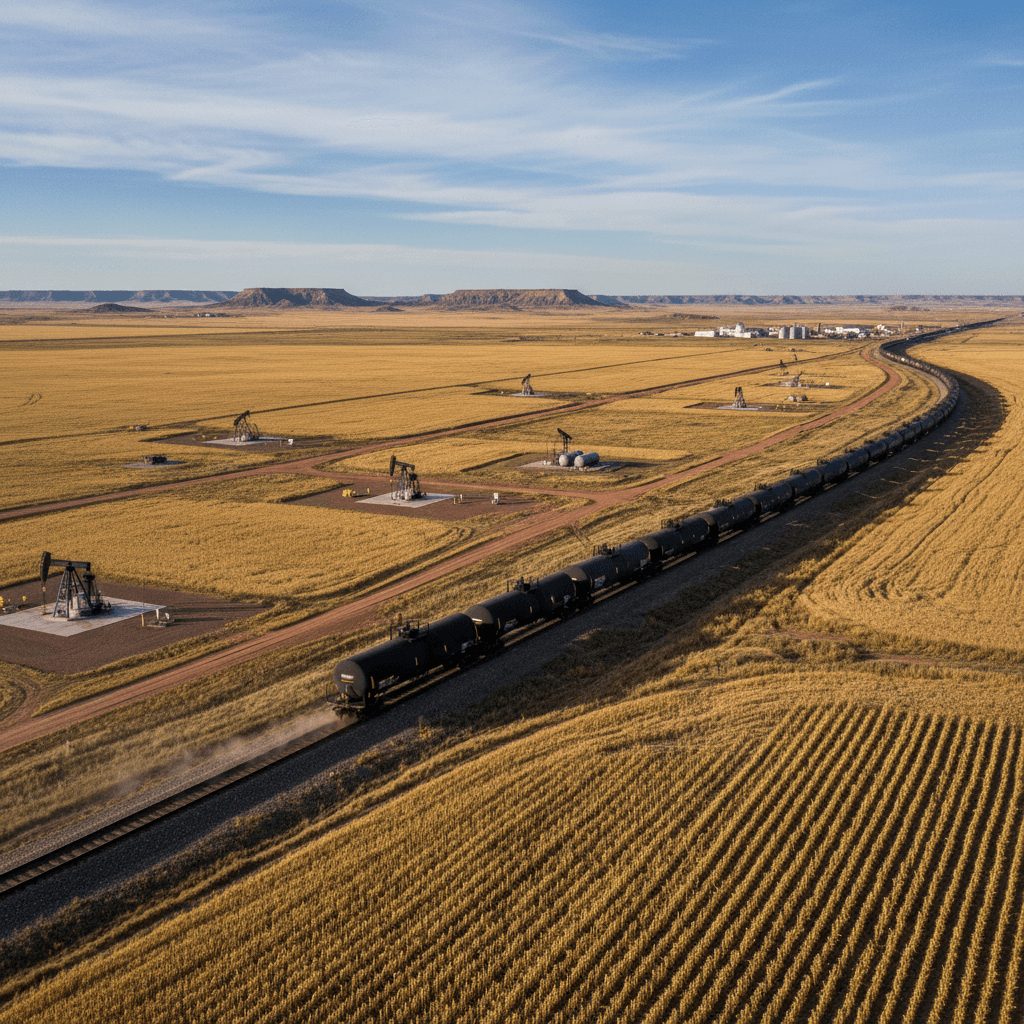
For Bakken operators and royalty owners, these global developments highlight the enduring importance of dependable energy sources. While renewables expand, their intermittency—exacerbated by extreme weather events—creates a continued need for flexible, on-demand power and robust energy logistics. The European experience with grid volatility and the U.S. pivot toward advanced nuclear for baseload capacity suggest that fossil fuels and their supporting infrastructure will remain critical components of the energy mix during a complex transition. The strain on European fuel supply chains also serves as a reminder of the value of secure, domestic production and transportation networks.
Source
According to reports from OilPrice.com published July 17-19, 2026.