Global LNG Shock, Suriname Progress Hit as US Oil Workforce Shrinks
Asian coal surge and a new offshore oil frontier emerge while domestic industry employment falls to a multi-year low.
A supply shock in global liquefied natural gas (LNG) markets is triggering a major fuel shift in Asia, according to industry reports on Tuesday. Spiking LNG prices and reduced supply from the Middle East have prompted Japan and South Korea to significantly raise coal power generation and coal imports in recent weeks.
Gas-fired power generation in Japan and South Korea slumped to multi-month lows in April and early May, according to OilPrice.com. This is due to a crash in supply from the Middle East, with no Qatari LNG shipment passing through the Strait of Hormuz between February 28 and this past weekend. LNG prices in north Asia have spiked by more than 60% since the war began, while international seaborne coal prices have increased by a much more modest 13%.
As a result, both nations have ramped up coal-fired power generation. In Japan, coal power generation rose by 11.1% in April, the biggest increase in a year, while gas power output slumped by 13%. In South Korea, the coal surge was even more pronounced, with April coal-fired power supply soaring by 40%, the biggest jump since August 2019. Global coal shipments and imports surged in March and April, with shipments to South Korea, Japan, and the European Union up 27% from a year earlier.
Meanwhile, the long-delayed oil boom in Suriname appears back on track, according to a separate report. The South American country's offshore prospects, often compared to neighboring Guyana's massive success, faced delays after operator TotalEnergies deferred a final investment decision (FID) on Block 58 in late 2022 due to technical concerns. However, in October 2024, TotalEnergies and partner APA Corporation announced progress, signaling renewed momentum for what could be South America's last great offshore oil boom. Suriname's favorable regulatory environment and low break-even prices, coupled with the recent price shock following U.S. and Israeli strikes on Iran, are expected to drive greater investment.
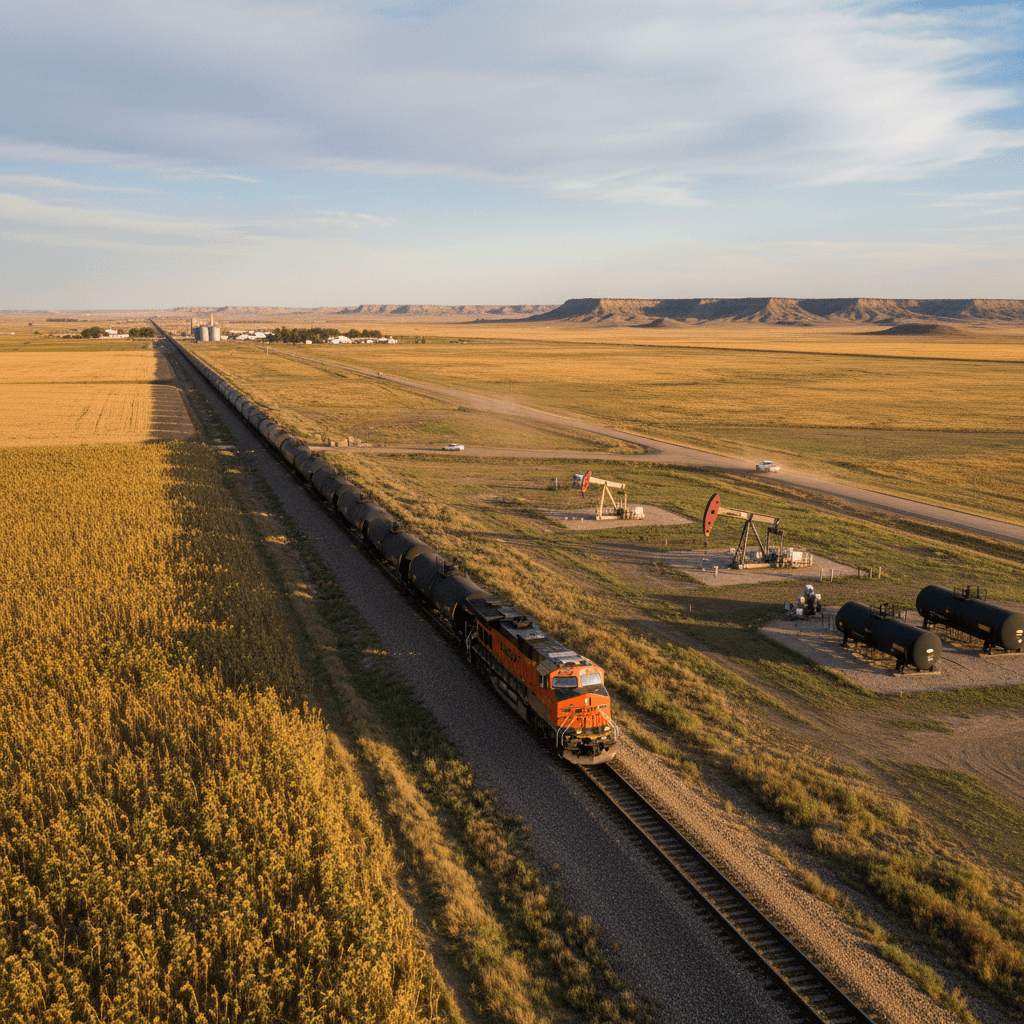
On the domestic front, the U.S. oil and gas extraction workforce is contracting. Data from the Bureau of Labor Statistics shows the number of employees in the oil and gas extraction industry has hit its lowest level since 2022, according to Rigzone. This decline in domestic headcount contrasts with the potential for increased capital allocation to emerging international frontiers like Suriname.
For Bakken operators, these global developments highlight competing pressures: volatile international energy flows are reshaping demand patterns, while new supply regions are advancing. The shift to coal in Asia could indirectly support global oil demand by freeing LNG cargoes for other markets, but it also underscores the fragility of global energy supply chains. Concurrently, the shrinking U.S. oil and gas workforce presents a persistent challenge for maintaining production growth in established basins like the Bakken.
Source
OilPrice.com, Rigzone, Bureau of Labor Statistics

