Global Oil Demand Shifts Weigh on Bakken as China Consumption Falls
Brent crude prices drop 3% despite Middle East conflict, with long-term demand pressures emerging from China's accelerated energy transition.
Global oil markets faced downward pressure Wednesday, with benchmark prices falling 3% as traders focused on growing supplies, a stronger dollar, and weakening risk appetite, according to Rigzone. The decline occurred despite ongoing attacks in the Middle East, highlighting a market increasingly attentive to demand-side concerns.
A significant long-term demand shift is materializing in China, the world's largest oil importer. According to a report from OilPrice.com, China's oil consumption fell by 4 percent year-on-year in the third quarter of 2026. This decline contributed to the biggest drop in China's carbon dioxide emissions since the COVID pandemic, a 3.1 percent fall between July and September.
The demand destruction is linked to the ongoing war in Iran, which has caused "skyrocketing energy prices" and accelerated a consumer shift toward electric vehicles, OilPrice.com reported. While the conflict has disrupted supplies, it is also catalyzing a faster global transition to renewable energy, with China leading the buildout.
China's massive investments in clean energy—spending more than the rest of the world combined on solar, wind, and batteries—are now impacting its fossil fuel use. The report notes that the country added enough wind, solar, and nuclear generation in a recent period "to power Germany and more than twice as much as needed to meet China’s growing demand."
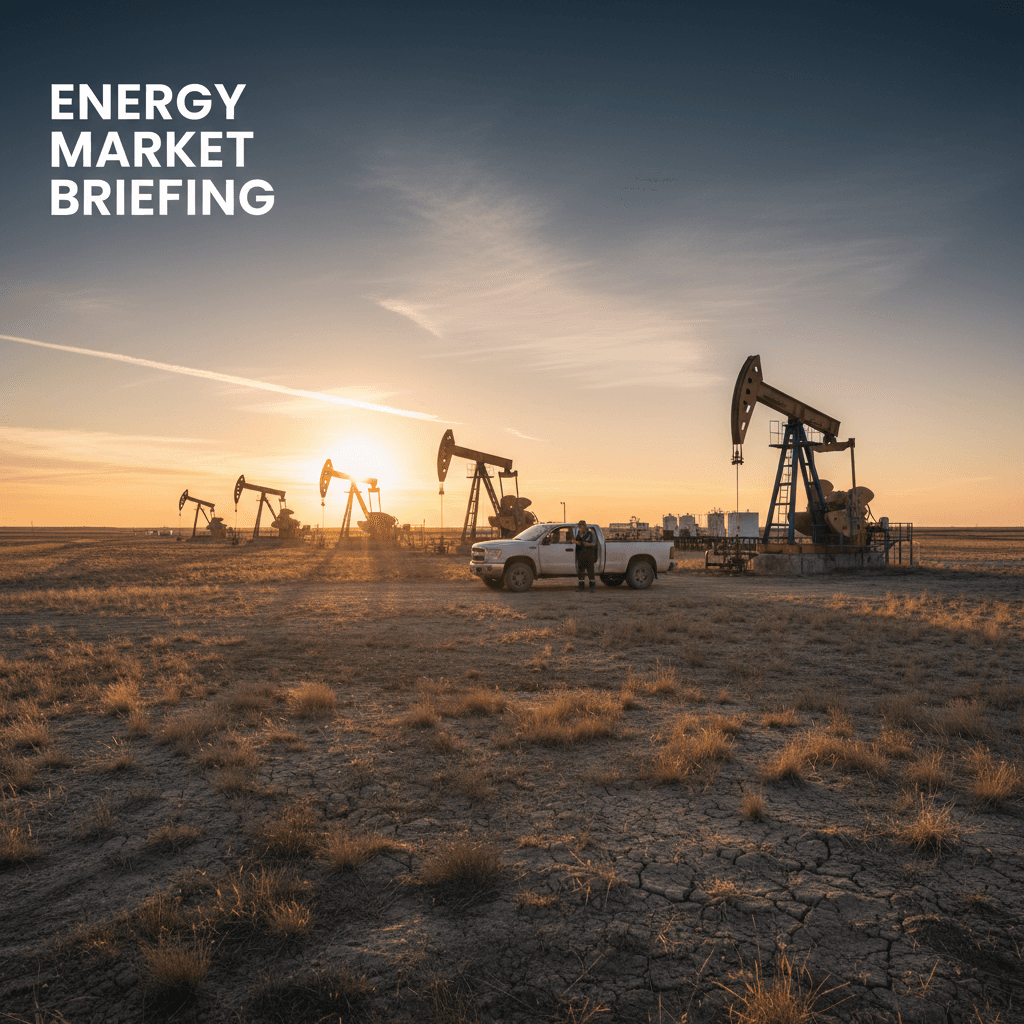
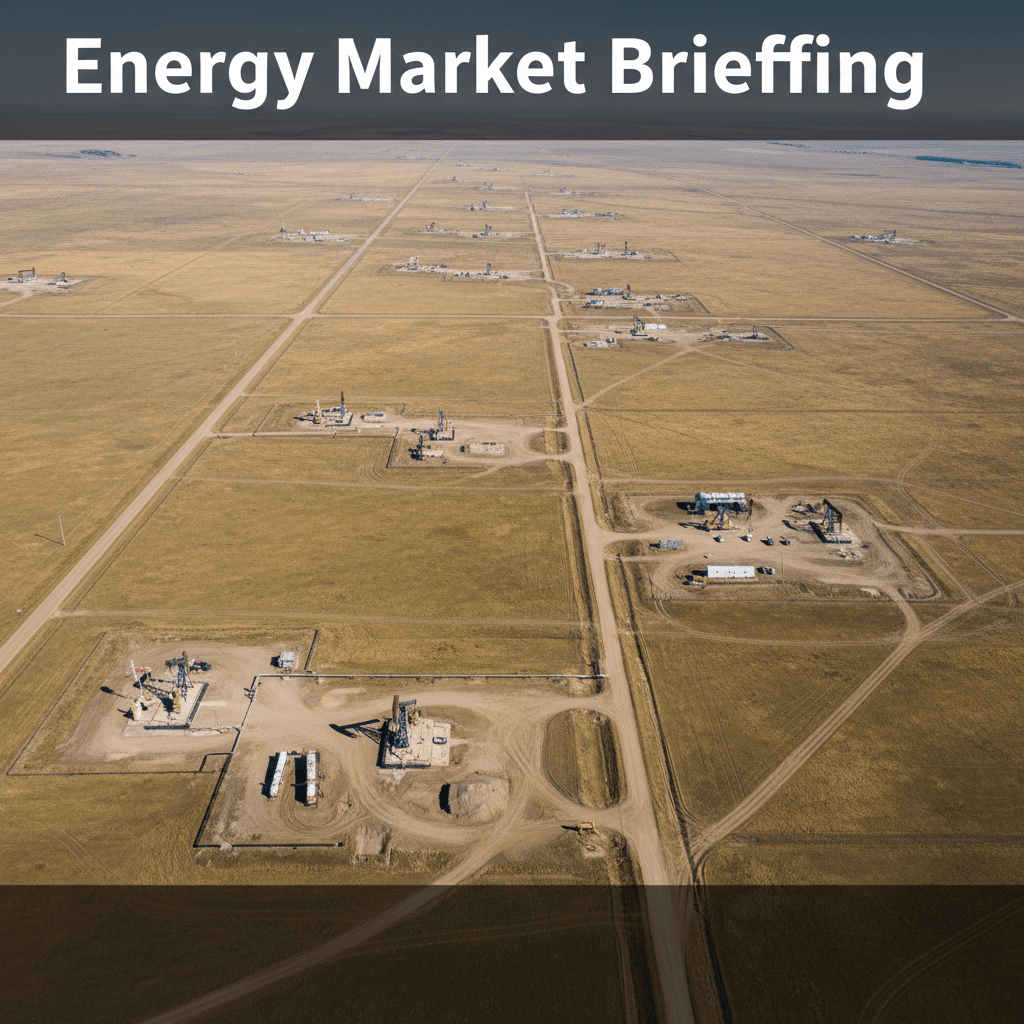
For Bakken operators and North Dakota royalty owners, the dual developments present a challenging outlook. Near-term price volatility is being driven by traditional factors like supply and currency, but the emerging narrative from Asia points to structural pressure on long-term demand growth. China's reduced appetite for oil, if sustained, would directly affect the global market that sets the price for Bakken crude.
The energy transition is also accelerating globally due to the Iran war, with "cash-poor developing economies" adopting cheap Chinese solar panels and batteries at a rapid pace, OilPrice.com noted. Countries like Pakistan, Brazil, Chile, and Kenya are adding renewable capacity "over the course of years — not decades," creating alternative energy pathways that could further dampen future oil demand growth.
The immediate price drop underscores the Bakken's exposure to global macroeconomic and geopolitical signals. While regional differentials and pipeline capacity remain critical, the formation's economics are ultimately tied to international benchmarks now facing headwinds from both ample supply and evolving demand patterns centered on the world's top oil consumer.
Source
According to reports from OilPrice.com and Rigzone on November 18, 2026.