WTI Crude--
Brent Crude--
Natural Gas--
ND Rig Count--
WTI Crude--
Brent Crude--
Natural Gas--
ND Rig Count--
Global Pipeline Developments Highlight Export, Geopolitical Risks - Bakken Wire
Pipeline & Infrastructure

Global Pipeline Developments Highlight Export, Geopolitical Risks

Energy Transfer expands Gulf Coast terminal as international supply deals and tensions create market uncertainty.

Bakken Wire Staff·🔆Midday Wire·

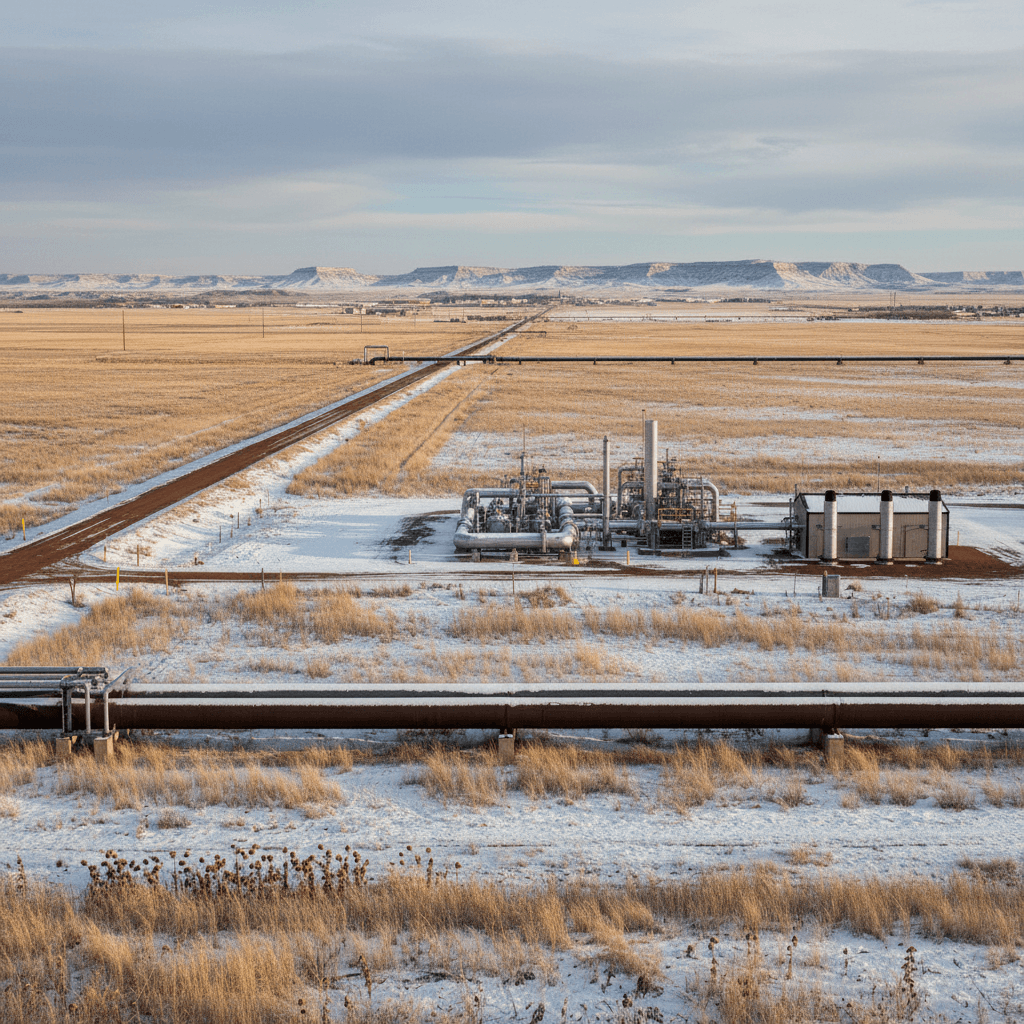
Energy Transfer announced plans to significantly expand its Nederland, Texas, natural gas liquids export terminal, a project that will increase ethane export capacity by 240,000 barrels per day and add 55,000 bpd of LPG capacity, according to Rigzone. The expansion of Gulf Coast export infrastructure is critical for connecting U.S. shale basins, including the Bakken, to global markets, providing an outlet for growing NGL production.

Meanwhile, international developments underscore the volatility of global energy logistics. Vitol is supplying emergency diesel to Zambia through exclusive access to a pipeline that lasts through September, Rigzone reported. This deal, which the International Monetary Fund has urged authorities to end, highlights how pipeline access can become a geopolitical tool during supply crises. For Bakken producers, such international disruptions and exclusive supply arrangements can influence global diesel and distillate prices, affecting the value stream for crude oil and refined products shipped from North Dakota.

Geopolitical tensions also threaten to impact global oil markets. Iran delayed the start of negotiations over a permanent peace deal with the U.S. after fighting intensified in southern Lebanon, Rigzone reported. While not directly related to pipeline infrastructure, such instability in key regions can lead to broader market uncertainty and price volatility, factors that directly affect the planning and economics for Bakken operators.

For the Williston Basin, these stories collectively emphasize the importance of reliable, expanded takeaway capacity to coastal terminals and the interconnected nature of global energy markets. Bakken crude and NGLs increasingly compete in an international arena where logistics, from the Gulf Coast to Southern Africa, and geopolitical events can sway prices and demand.

Source

According to Rigzone reports published June 19, 2026.
pipelinesexportsnglsgeopoliticsenergy transfervitol

Share this article

Related Articles

Pipeline & Infrastructure

Canada Moves to Fast-Track Oil Pipeline for Asian Markets

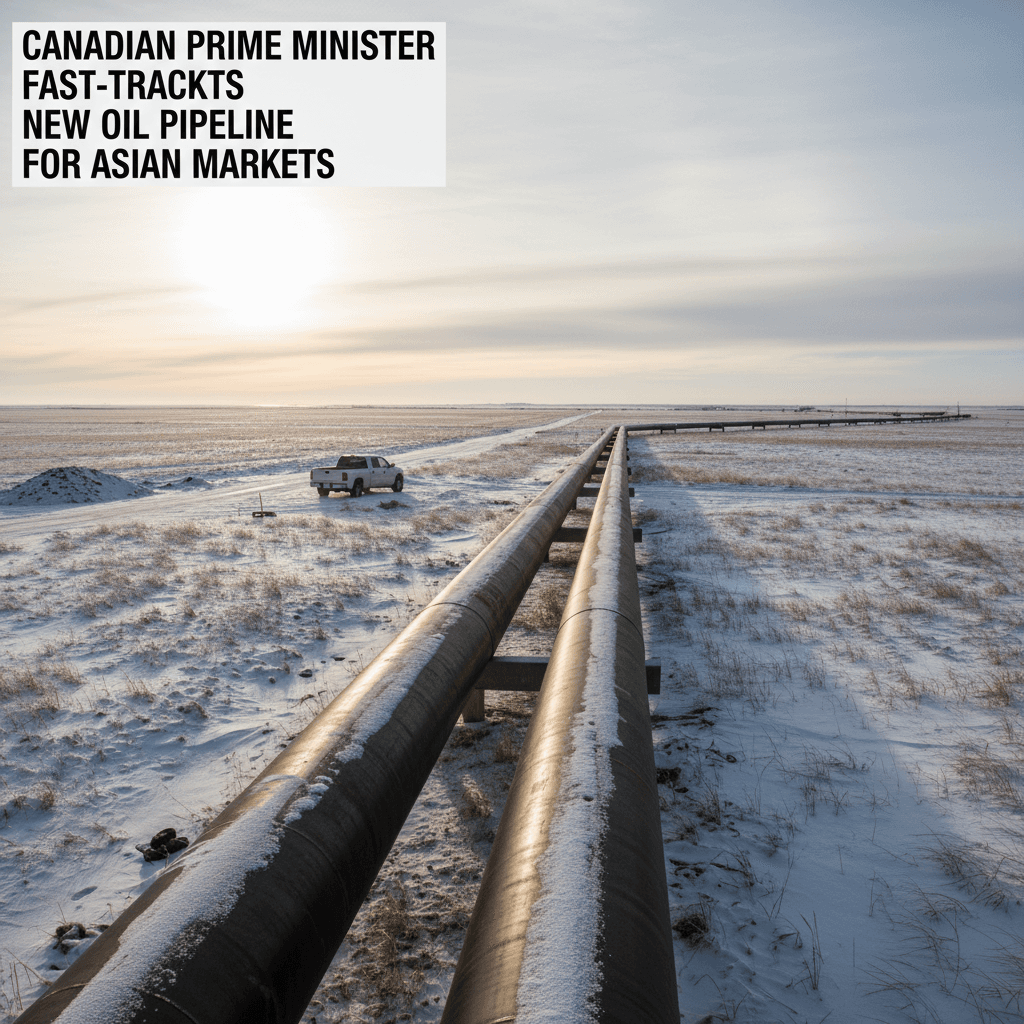
Canadian Prime Minister Mark Carney is invoking new powers to fast-track regulatory approval for a major new oil pipeline, according to a report from Rigzone. The move aims to expand Canada's access to Asian crude markets. While the specific pipeline project was not named in the report, the push for increased export capacity from Canada represents a significant shift in North American energy infrastructure policy. For Bakken operators, the development carries both competitive and logistical considerations. Increased pipeline capacity from Western Canada could influence crude pricing benchmarks across the continent, including the Bakken's own local price at Clearbrook, Minnesota. Greater volumes of Canadian crude reaching global markets can affect the supply-demand balance for similar light sweet crudes produced in the Williston Basin. Historically, pipeline constraints have limited Canadian crude to primarily U.S. Midwest markets, keeping a lid on prices. A new high-capacity outlet to Asia could alter that dynamic, potentially...

☀️Morning Wire·Oct 4
Canadian Prime Minister Fast-Tracks New Oil Pipeline for Asian Markets - Bakken Wire
Pipeline & Infrastructure

Canadian Prime Minister Fast-Tracks New Oil Pipeline for Asian Markets

Prime Minister Mark Carney has invoked new powers to expedite regulatory approval for a new, high-capacity oil pipeline, according to a report from Rigzone. The move aims to expand Canada's access to Asian markets. The development, reported on October 2, signals a renewed push by Canada to move its crude oil to West Coast export terminals. For Bakken operators in North Dakota, new Canadian pipeline capacity can influence regional market dynamics. Increased pipeline takeaway capacity from Western Canada can affect the flow of competing crudes, including Bakken barrels, through existing midcontinent pipeline systems. Changes in these flows can impact local basis differentials—the difference between the price of Bakken crude at the wellhead and the U.S. benchmark price. While the Rigzone report did not specify a pipeline route or capacity, any major new Canadian export conduit could alter crude oil logistics in North America. Bakken crude often moves to market via...

🔆Midday Wire·Oct 3
Pipeline & Infrastructure

Canada Moves to Fast-Track Oil Pipeline for Asian Market Access

Canadian Prime Minister Mark Carney is expediting regulatory approval for a new, high-capacity oil pipeline intended to expand Canada's access to Asian markets, according to a report from Rigzone. The report, published October 2, stated Carney has invoked new powers to fast-track the project. The development highlights ongoing efforts by North American producers to reach lucrative overseas markets beyond domestic and traditional refining hubs. Increased Canadian export capacity to Asia could influence global crude pricing benchmarks and shipping routes. For operators in North Dakota's Bakken formation, new Canadian pipeline capacity represents a shifting competitive landscape. Bakken crude, which primarily moves to market via pipelines, rail, and truck, often competes with Canadian heavy and light crude grades in the U.S. Midwest and Gulf Coast refining markets. Enhanced Canadian access to Asian buyers could, over time, alter flow patterns and competition for pipeline space within the continent. However, the specific impact on...

🌅Afternoon Wire·Oct 2