Global Pipeline Developments Offer Mixed Signals for Bakken Export Outlook
Strait of Hormuz tensions ease while European retail expansion signals potential demand shifts.
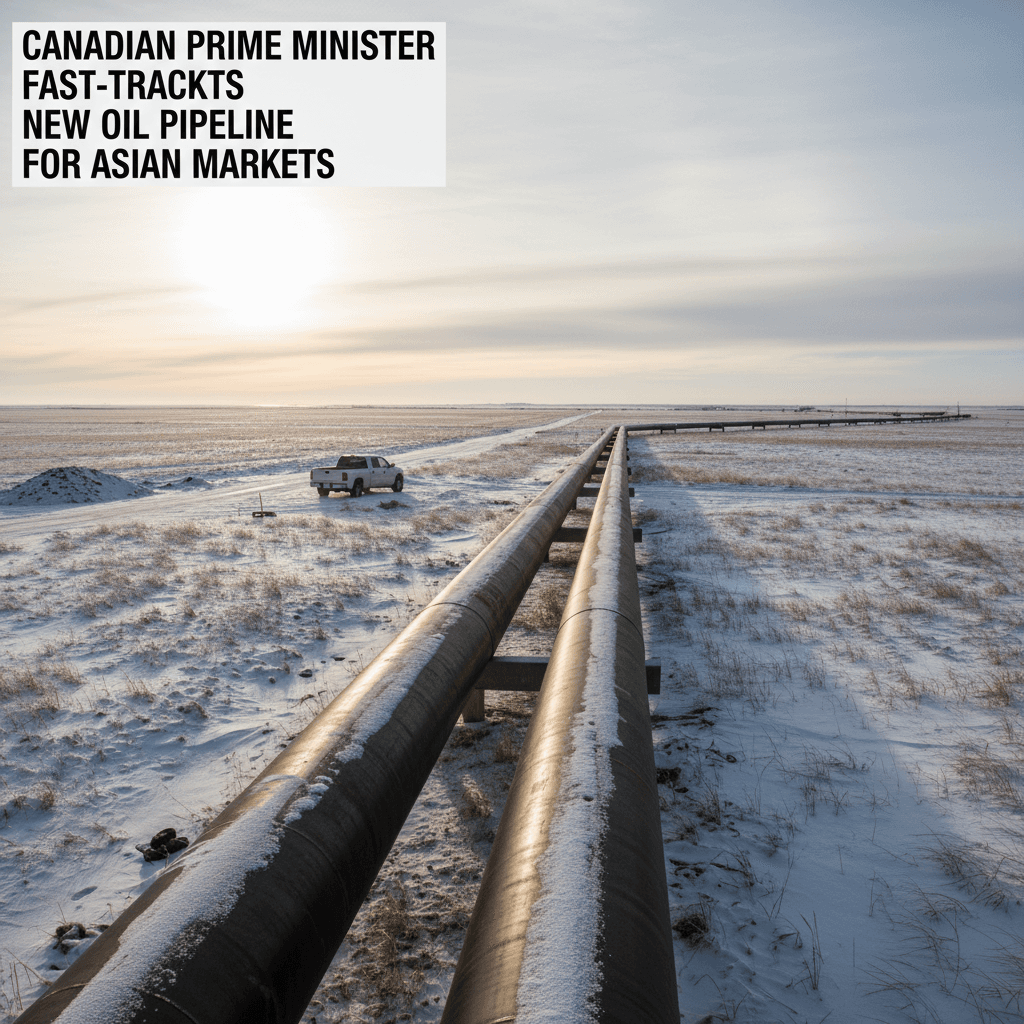
A lull in military activity around a key global oil transit point and a European retail acquisition mark the latest developments affecting pipeline and export dynamics relevant to Bakken crude flows, according to wire reports.
U.S. strikes against Iran have paused for a second night, and Iran has signaled a restraint from retaliatory attacks, according to Rigzone. The source reported that Iran is concurrently holding talks with Oman regarding the Strait of Hormuz, a critical maritime chokepoint for global oil shipments. Any prolonged instability in the region typically supports global oil price benchmarks, which can improve the economics for Bakken crude competing in international markets.
Separately, Italian energy major Eni has agreed to acquire Prax retail stations in four European countries, Rigzone reported. The transaction will give Eni approximately 320 service stations across Austria, Denmark, Germany, and Switzerland. While not a pipeline event, major oil companies expanding their downstream retail footprint in Europe can indicate a long-term strategy to secure demand for their crude oil and refined products.
For Bakken operators and royalty owners, these international developments underscore the basin's connection to global events. Stability in the Strait of Hormuz helps ensure reliable seaborne export routes for crude that may compete with Bakken oil on the global stage. Concurrently, consolidation among European fuel retailers could eventually influence crude sourcing decisions for refiners supplying those networks, indirectly affecting demand for light sweet crude grades like those produced in the Williston Basin.
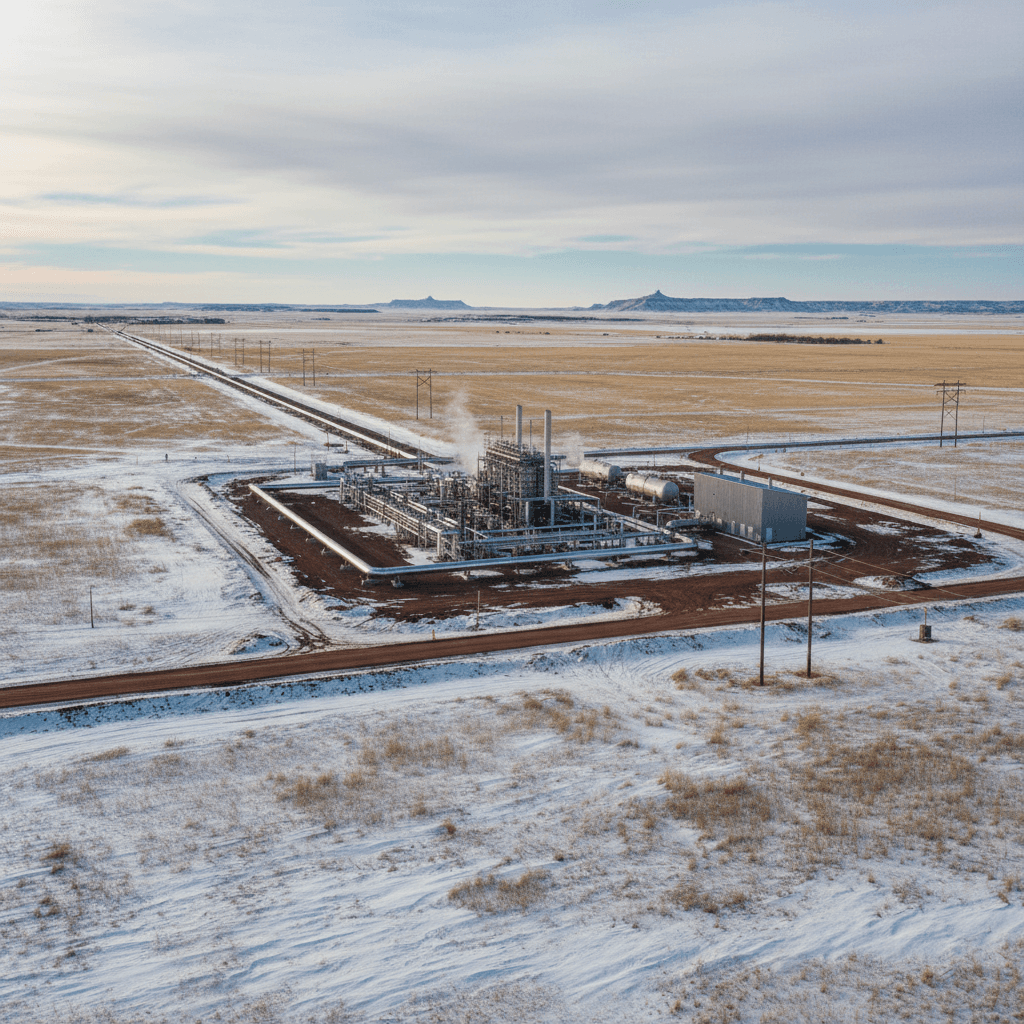
The Bakken formation remains a major source of light oil, and its economic viability is closely tied to the global oil price structure and export logistics. Developments that affect major trade routes or downstream market concentration are watched for their potential long-term impact on the basin's place in the international supply chain.
Source
Rigzone