Global Policy Shifts Highlight Energy Security, Supply Competition
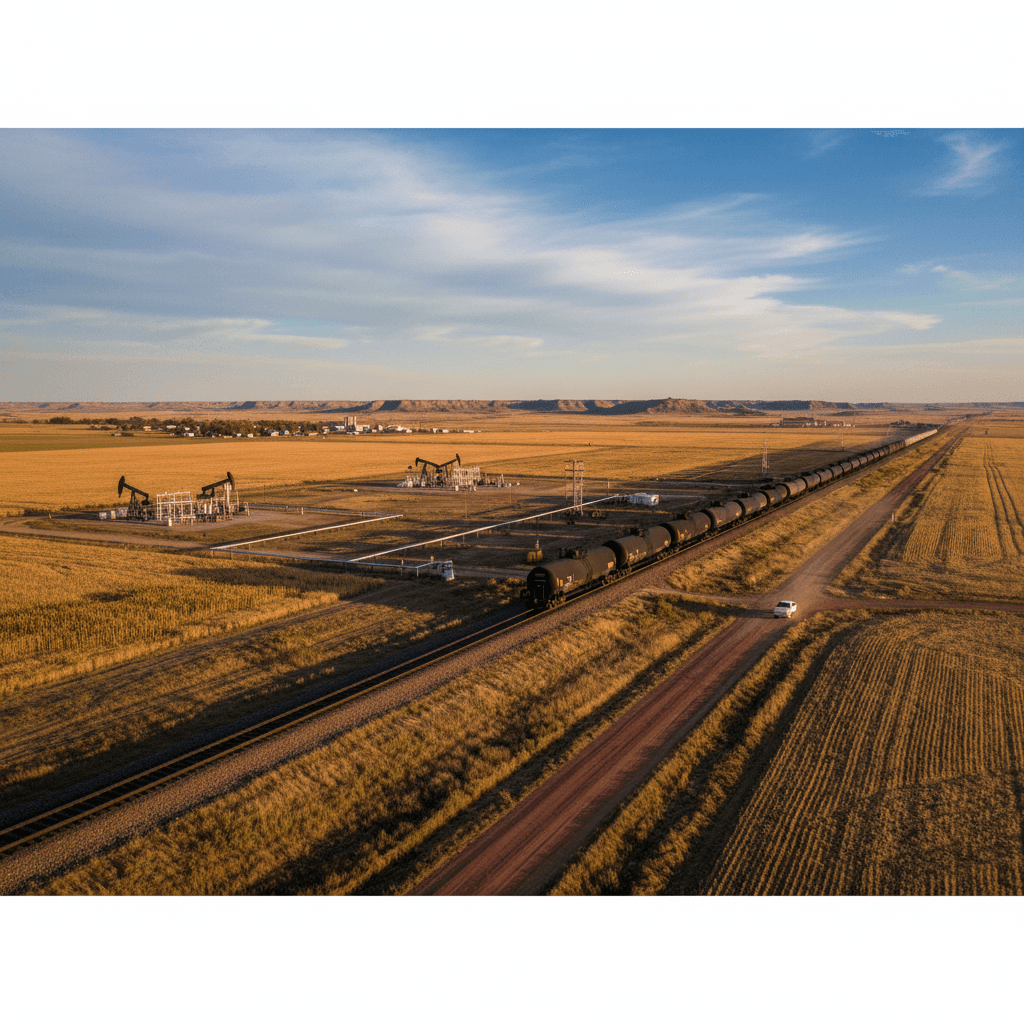
U.S. nuclear fuel gap, U.K. drilling debate, and biofuel innovation present a global backdrop for Bakken operators.
The United States depends on imports for 93% of the uranium used in its nuclear power plants, with only 7% sourced domestically, according to an OilPrice.com report. This dependency presents energy security concerns as the Trump administration pushes for a "homegrown nuclear power renaissance." A Stanford Energy report from January cited "fuel supply chain vulnerabilities, with tight uranium supplies, geopolitical risks, and rising costs." Global competition for uranium is intensifying, with the World Nuclear Association projecting a 28% increase in demand by 2030. For U.S. utilities, this translates to an unfilled market demand of 186 million pounds of uranium over the next decade, based on an Interesting Engineering report.
In the United Kingdom, a political battle over fossil fuels is unfolding under new Labour Prime Minister Andy Burnham, creating uncertainty for major oil and gas projects. According to OilPrice.com, key North Sea developments like the Jackdaw gas field and Rosebank oil field are in legal limbo after court rulings overturned previous approvals. While Burnham has indicated a "pragmatic" approach to oil and gas, his party's 2024 manifesto ruled out new licences for North Sea exploration. The debate is heating up amid public concern over climate-driven extreme weather, with some Labour MPs urging ministers to "keep carbon in the ground."
Meanwhile, Mexico is tackling an environmental and economic crisis by exploring biofuel potential. Vast quantities of sargassum seaweed, washing up on Caribbean beaches at a rate of up to 9,000 tons daily, are costing roughly $2 billion annually to manage. President Claudia Sheinbaum announced a $115 million plan in July to deploy containment barriers and ships to capture the seaweed before it reaches shore. As reported by OilPrice.com, the government, in partnership with Japan, is researching ways to convert the collected sargassum into biofuel or fertilizer, aiming to double daily collection capacity to 4,000 tonnes by 2027.
These global developments underscore themes of energy security, policy-driven market access, and alternative energy innovation. For Bakken operators, the intense global competition for strategic resources like uranium and the political scrutiny on new fossil fuel projects highlight the importance of stable domestic policy and secure supply chains. The exploration of alternative fuels from unconventional sources, such as seaweed, reflects the broader energy transition landscape within which traditional oil and gas sectors operate.
Source
OilPrice.com reports from August 15, 2026.

