Global Roundup: India Tightens Fuel Rules, Shale Shifts to Oil, Microgrids Gain Ground
International energy developments from July 18, 2026, highlight efficiency mandates, shifting plays, and resilient power tech.
Global policy and technology shifts are creating new market dynamics with implications for energy producers worldwide, including those in the Bakken. Recent developments in vehicle efficiency, oil exploration, and power infrastructure highlight the evolving landscape.
In a move aimed at cutting oil imports, India's government has proposed stricter Corporate Average Fuel Efficiency (CAFE)-III norms for passenger vehicles, according to an OilPrice.com report. The new fuel standards are set to take effect April 1, 2027. The rules target a reduction in fuel consumption for M1 category vehicles (up to 3,500 kg) from 3.996 liters/100 km in 2027–28 to 3.327 liters/100 km by 2031–32. Carbon emission targets will tighten from 113 g/km to 76 g/km by 2032. Non-compliance will attract penalties ranging from ₹2,500 to ₹4,500 per gram of excess CO₂/km. The policy framework will transition to the World Light Duty Vehicle Testing Procedure (WLTP) and, for the first time, offers regulatory benefits for cars powered by alternative fuels like ethanol and biofuels.
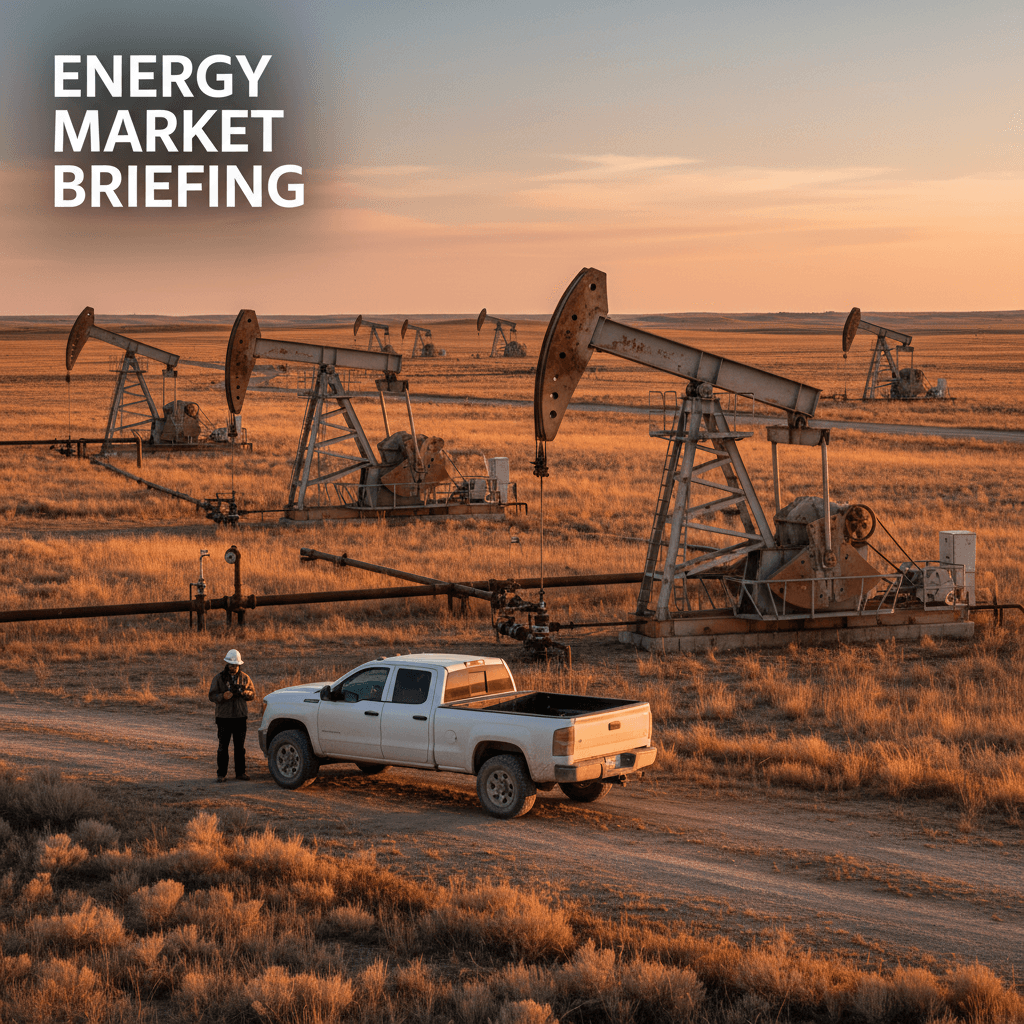
Meanwhile, a forgotten shale gas play is being revived as an oil hotspot, Rigzone reported on July 18. Companies including Obsidian Energy Ltd. and Yangarra Resources Corp. are now drilling for oil in a long-dormant gas reservoir. This shift underscores the dynamic nature of North American shale development, where technological advances and commodity prices can redirect operator focus to new or overlooked zones.
In the power sector, microgrids are moving beyond disaster recovery to become critical infrastructure, OilPrice.com reported in a separate July 18 article. Defined as self-contained power systems that can generate, store, and manage their own electricity, microgrids can operate tied to the main grid or disconnect entirely in "islanding" mode. The U.S. Department of Energy categorizes them into campus/institutional, community, remote/off-grid, and resilience-focused types. Modern microgrids typically combine generation sources like solar PV or natural gas turbines with battery storage and a sophisticated control system. Their ability to ensure resilience is drawing interest from military bases, hospital campuses, and energy-intensive facilities like AI data centers.
These global trends—increasing fuel efficiency mandates, the reemergence of oil-focused shale plays, and the push for decentralized, resilient power—reflect broader transitions in the energy sector. For Bakken operators and service companies, international policies like India's CAFE-III norms could influence long-term oil demand projections, while the resurgence of oil drilling in other shale formations highlights the ongoing competition for capital and technological expertise within the industry.
Source
OilPrice.com (July 18, 2026, July 17, 2026), Rigzone (July 18, 2026)