Global Roundup: ND Celebrates 75 Years of Oil, Petrobras Buyback, BP Exec Moves
As North Dakota marks a milestone in production, international deals and executive shifts highlight the global energy landscape.
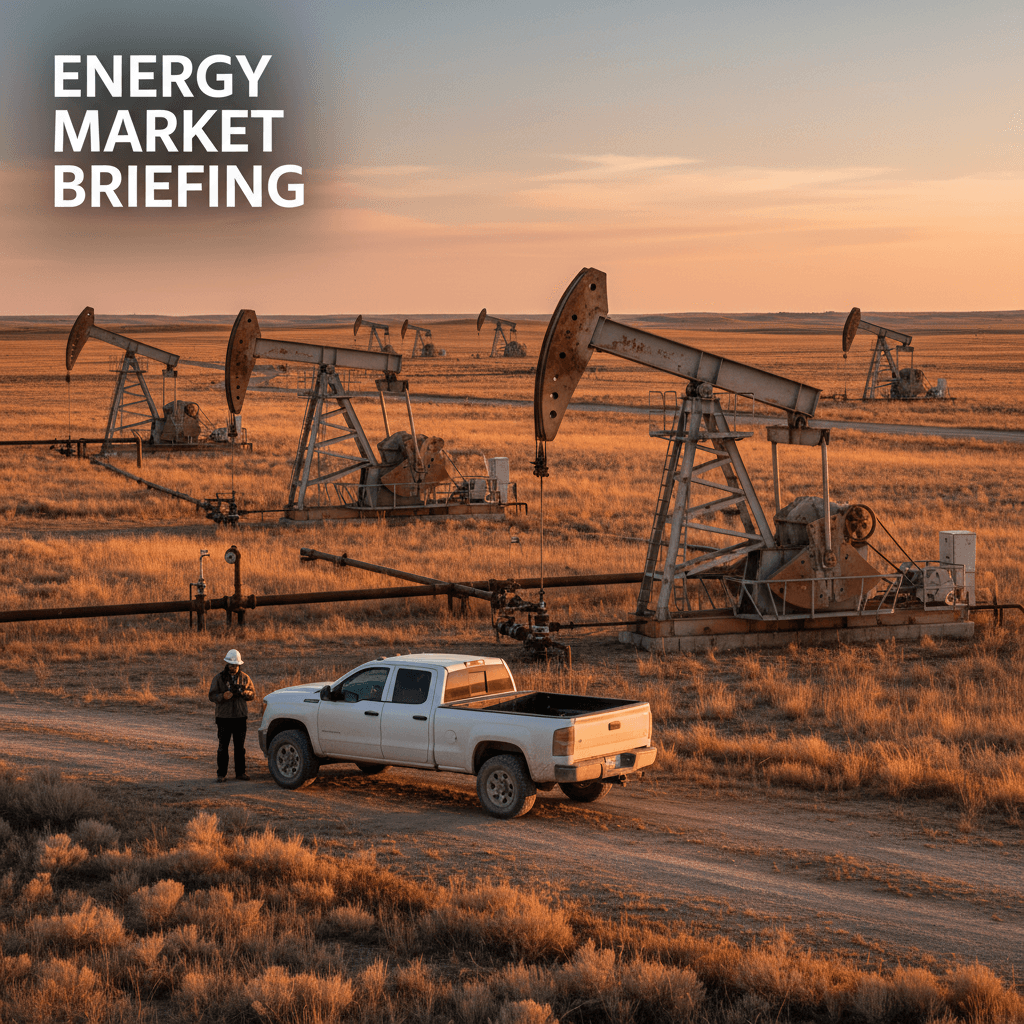
North Dakota is celebrating the 75th anniversary of its first commercial oil discovery, a milestone that transformed the state's economy and demographics, according to an opinion column in the Inforum. The Clarence Iverson #1 well near Tioga struck oil on April 4, 1951.
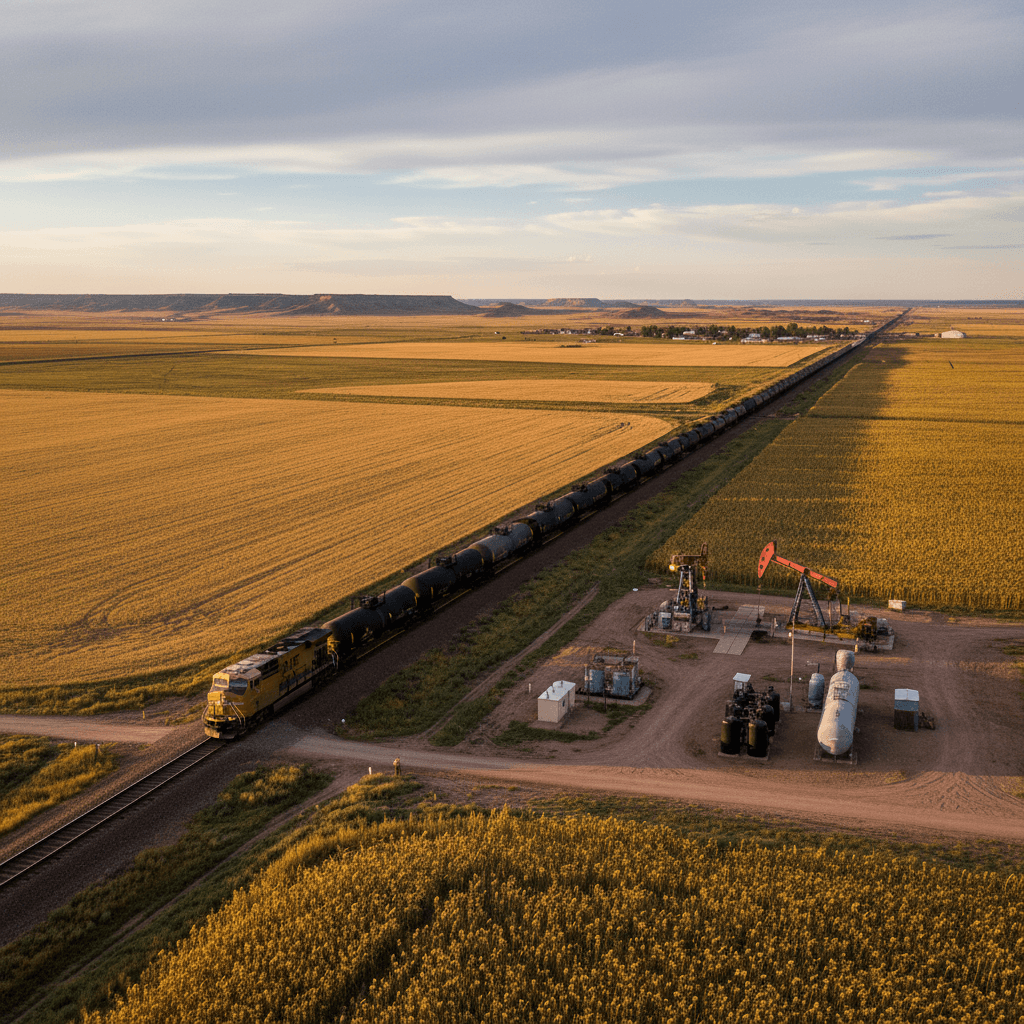
Today, the state produces over one million barrels of oil daily, supports roughly 63,000 jobs, and generates nearly $50 billion in annual economic impact, with more than $4 billion returned annually in taxes, fees, and royalties. North Dakota Petroleum Council President Ron Ness emphasized the industry's role in providing opportunity, stating, "It’s about the ability of North Dakotans to have an opportunity to live and work in North Dakota." He noted the state has flipped from one of the oldest to one of the youngest populations in the last 20 years.
The technological evolution is stark. Department of Mineral Resources Director Lynn Helms compared it to "the difference between a Model T and the space shuttle," noting that in 1951 it took 18 months to produce the first million barrels of crude oil. Today, the state produces a million barrels by 8 p.m. each day.
In global asset transactions, Brazilian state-owned Petrobras will assume full ownership of two Campos Basin offshore fields, according to a report from Rigzone. Petrobras signed a deal with Petronas to acquire the Malaysian company's 50 percent stakes in the Tartaruga Verde field and Module 3 of the Espadarte field for $450 million. The assets produce about 55,000 barrels of oil per day. The transaction requires approval from Brazil's National Agency of Petroleum, Natural Gas and Biofuels.
In executive news, Austrian energy company OMV AG has proposed Emma Delaney, the outgoing customers and products executive vice president at BP PLC, to succeed Alfred Stern as CEO, Rigzone reported. Delaney would become OMV's first female CEO, starting September 1 for a three-year term. Her proposed appointment follows Stern's decision last year not to renew his term, which concludes this August. Delaney leaves BP as Meg O'Neill begins her term as CEO of the company on April 1, 2026.
These international movements in asset portfolios and leadership underscore the dynamic and interconnected nature of the global oil and gas industry, against which North Dakota's sustained growth and technological prowess in the Bakken formation stand as a foundational success story.
Source
Bing News, Rigzone