Global Supply Disruption Lifts Oil Above $90, Bolstering Bakken Economics
War-driven trade route shifts and import diversification create sustained price support for North Dakota crude, while Russian revenue decline underscores market volatility.
Oil prices are holding above $90 per barrel as a prolonged war in the Middle East forces a fundamental rewrite of global oil trade routes, creating sustained price support for Bakken producers, according to an OilPrice.com report. Both Brent crude and West Texas Intermediate are trading at these elevated levels, with analysts suggesting future declines may be less severe than in recent months.
The conflict has severely disrupted flows through the Strait of Hormuz, a critical global chokepoint. Before U.S. and Israeli strikes on Iran, the strait handled nearly 20 million barrels per day (bpd) of crude exports from Gulf States. Current daily flows are now estimated at just 6 to 8 million bpd. Liquefied natural gas exports are also heavily impacted, with Qatar's Ras Laffan hub damaged and under force majeure.
Exporters are scrambling to establish alternative routes. Saudi Arabia has reversed the flow of its East-West pipeline to ship oil west to the port of Yanbu, bypassing Hormuz, though port capacity is a constraint. The United Arab Emirates is redirecting flows to the port of Fujairah outside the strait, with state company ADNOC planning to double the capacity of the pipeline there, a project that will take at least until next year.
This global supply reshuffling is having a direct financial impact. According to a report from the Finland-based Centre for Research on Energy and Clean Air (CREA), the global total energy import bill swelled by an additional $330 billion over the six months from March to August due to the war-induced price increases.
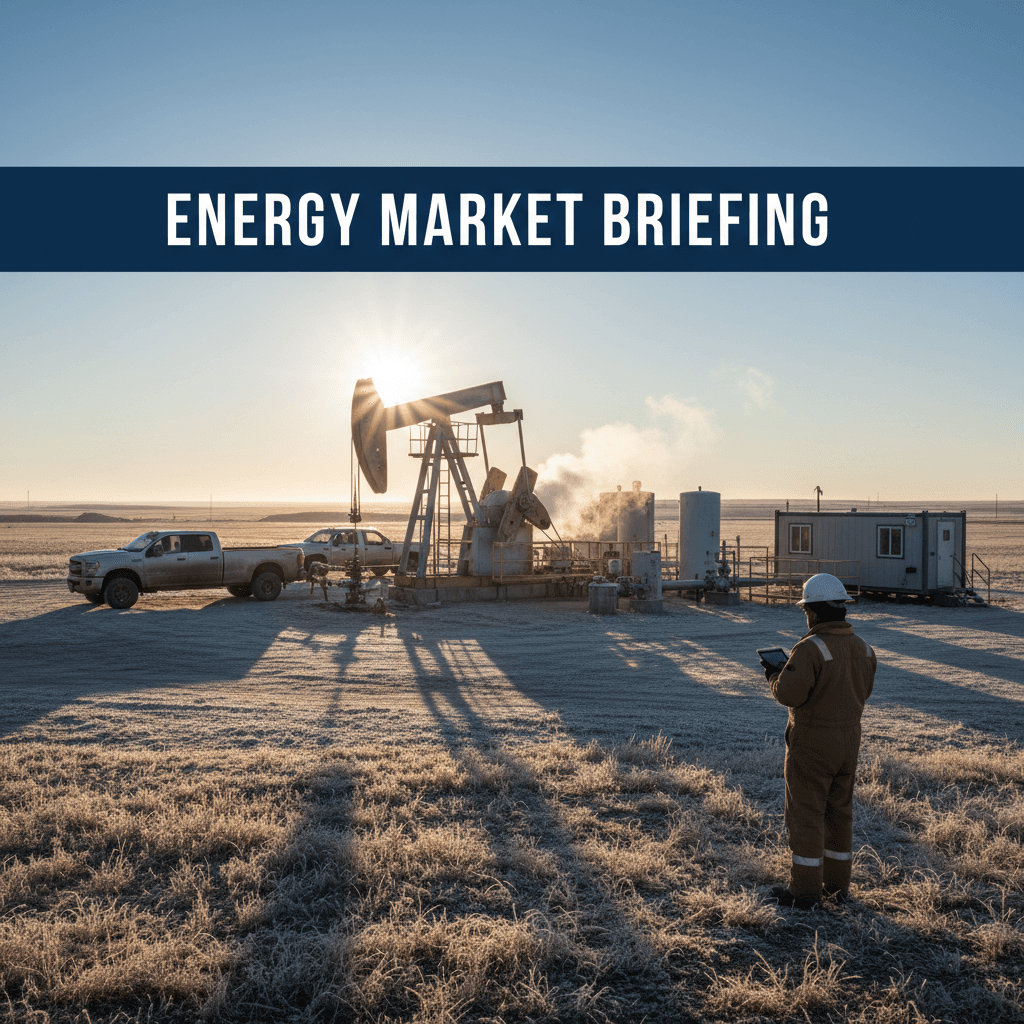
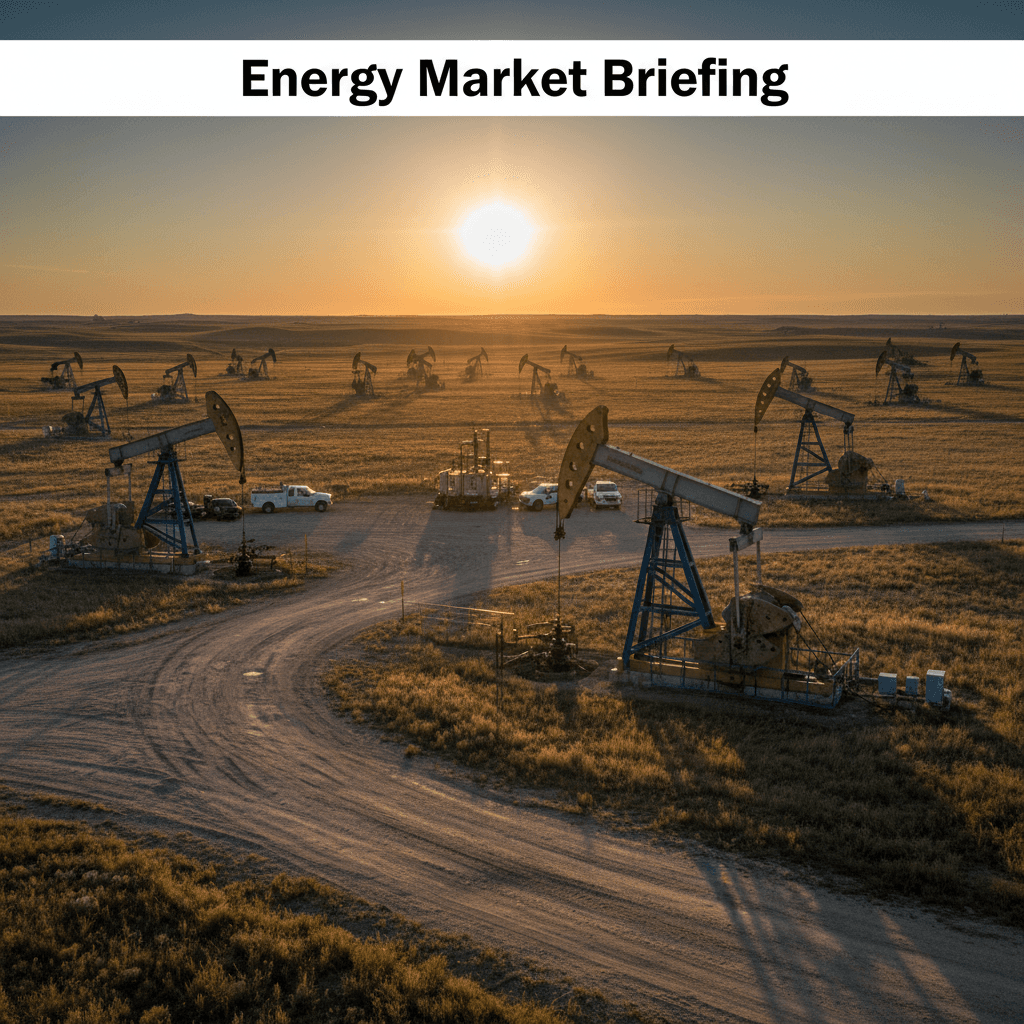
For Bakken operators in North Dakota, this environment provides a strengthened price floor. The report notes that the market transformation means prices are less likely to swing dramatically based on social media sentiment, as they did three months ago, leading to more predictable revenue streams. The ongoing need for importers to diversify their suppliers away from the unstable Middle East also underscores the value of stable, non-OPEC production from regions like the Williston Basin.
In a separate market development, Russia's oil revenue slumped to a six-month low in August, Rigzone reported. This contrast highlights the complex global dynamics: while supply disruptions from one region boost prices, other producers face revenue challenges due to sanctions and market shifts. For Bakken competitors, Russia's struggles may present opportunities in certain export markets.
The combined effect of these factors is a bullish outlook for North Dakota's oil sector. The sustained higher prices improve margins for well operators and increase royalty payments to landowners. The fundamental shift in trade flows suggests the current price environment may persist as the world adjusts to longer-term supply chain changes.
Source
According to OilPrice.com and Rigzone.