Global Supply Shocks Tighten Gas Markets, Echo Bakken's Founding Discovery
IEA warns Iran war disrupts LNG supplies through 2030, as industry marks anniversary of Tioga well that launched North Dakota's oil era.
Global natural gas markets are set to remain tight through the end of the decade due to supply disruptions from the war in Iran, according to a new assessment from the International Energy Agency (IEA). The conflict has resulted in the loss of about 120 billion cubic meters (bcm) of global LNG supply through 2030, OilPrice.com reported.
Gergely Molnar, an IEA energy analyst, stated that global LNG supplies have shrunk by around 15% due to the conflict and the closure of the Strait of Hormuz, a key maritime chokepoint. The agency says the Qatari LNG halt and damage to key facilities will delay the previously expected LNG supply wave by at least two years, prolonging tight markets through 2026 and 2027.
In Europe, the situation is acute. The EU will need an additional 10 bcm of natural gas this summer to refill inventories that dropped to multi-year lows, according to the IEA report carried by Reuters. The agency also noted that global methane abatement measures could unlock significant gas volumes, with nearly 15 bcm available in the short term and up to 200 bcm annually in the longer term.
The supply shock originates from the Middle East, where a U.S. sea blockade of the Strait of Hormuz has intensified economic pressure on Iran since the war began on February 28, OilPrice.com reported in a separate article. In response, Tehran is using alternative routes, including trucking goods from Pakistan and Turkey and shipping cargo via the Caspian Sea from Russia. Iran is also looking at sending oil by rail to China.
Experts say these routes can supply consumer goods but are more expensive and constrained. "Trucking is more expensive and Caspian throughput is constrained by port and fleet capacity," said Steve H. Hanke, a professor at Johns Hopkins University. Iranian officials, however, claim the blockade has not impacted the country's ability to source basic goods, pointing to strong domestic production and its long land borders.
The global energy landscape shaped by such disruptions stands in contrast to the foundational moment for North Dakota's industry. Separately, Bing News reported on an interview with 96-year-old Carl Frisinger, the last remaining member of the drilling crew that discovered oil near Tioga, North Dakota—a discovery that changed the state's economy and history.
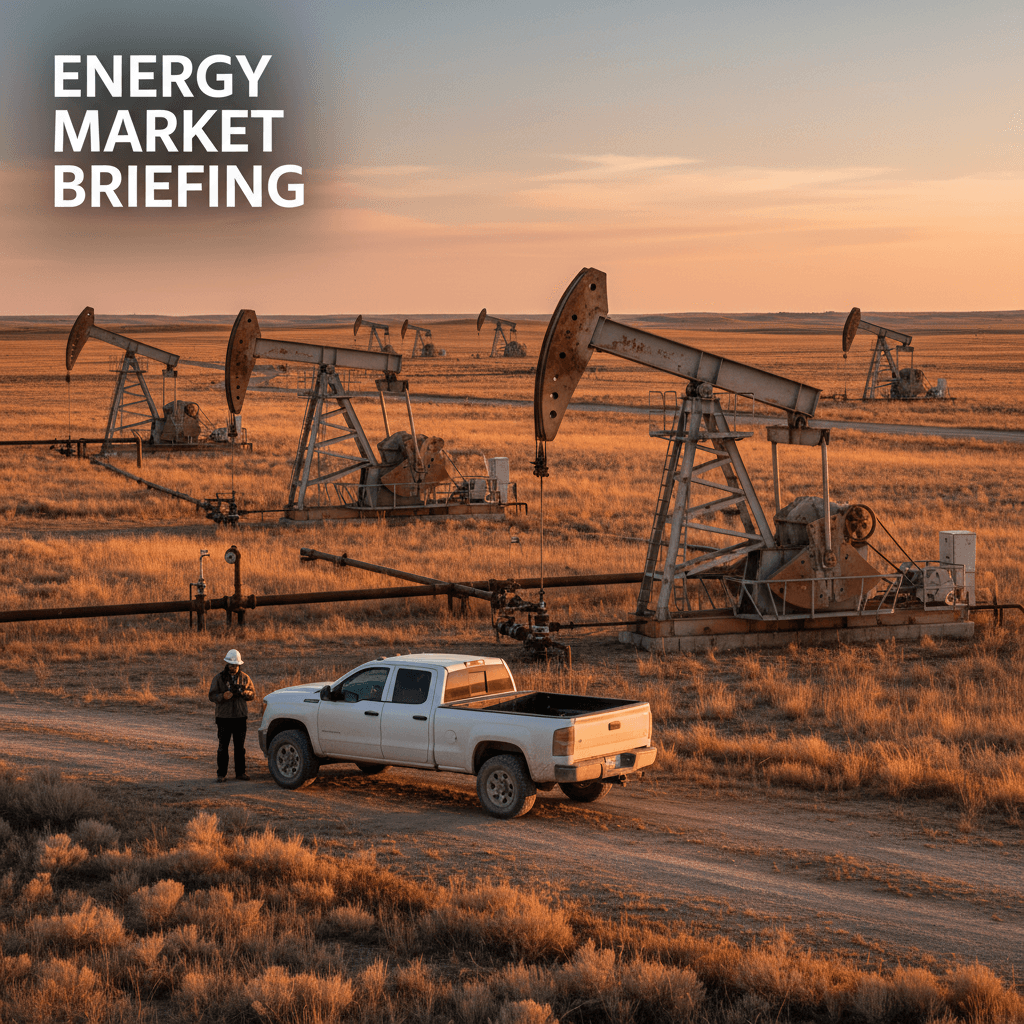
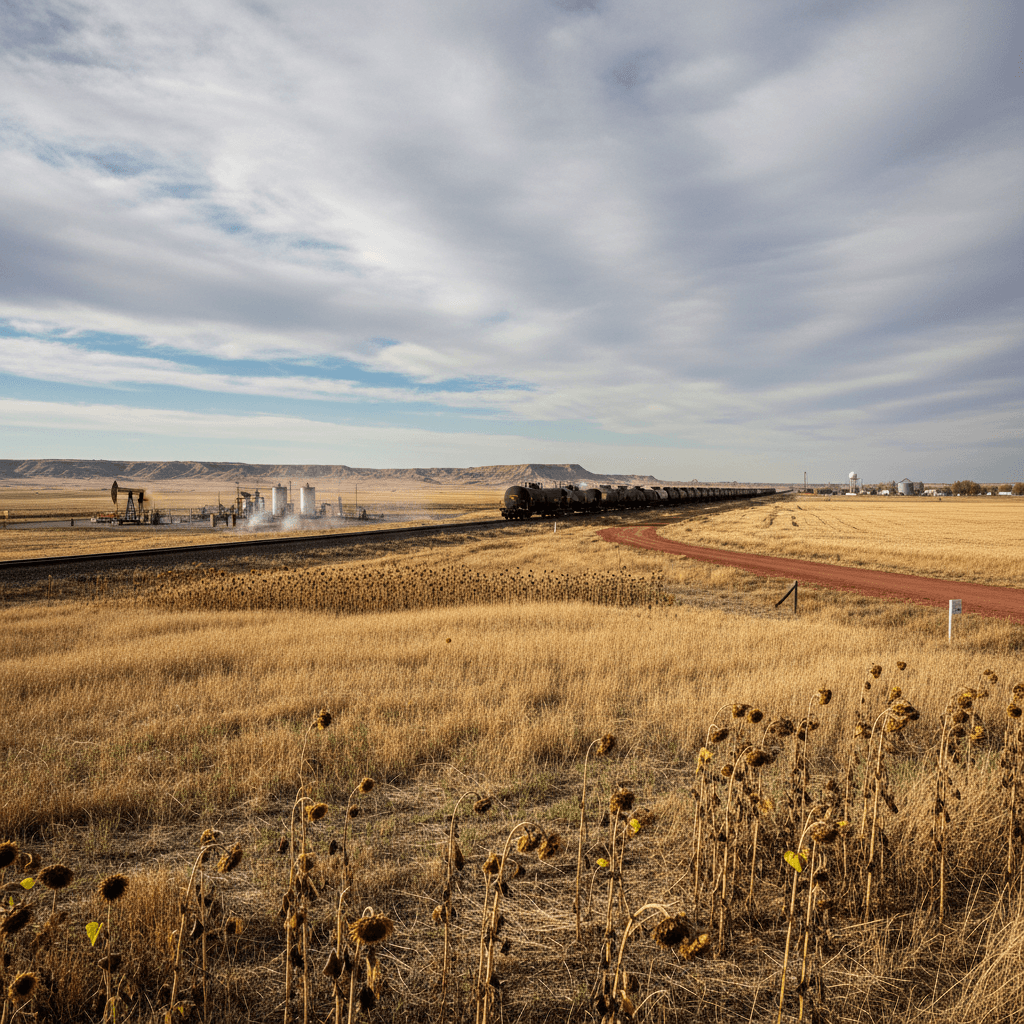
The ongoing tightness in global gas markets underscores the strategic importance of stable production basins like the Bakken. While geopolitical conflicts disrupt major trade chokepoints, North Dakota's operators continue production from the formation whose modern era began with the Tioga discovery.
Source
OilPrice.com, Reuters, Bing News