Global Tanker Shortage, OPEC Supply Pressure Bakken Crude Exports
Soaring freight costs cut Asian demand for U.S. oil as OPEC output rises, posing challenges for Bakken producers reliant on international markets.
A severe global tanker shortage, driven by the war in Iran, is dramatically increasing the cost of shipping U.S. crude to Asia and threatening a key outlet for Bakken production. According to an OilPrice.com report, the cost of chartering a supertanker from the U.S. Gulf Coast to China reached nearly $80 million in October, roughly ten times the average rate before the conflict. Valero estimated last month that shipping U.S. crude to Asia had reached $30 to $35 per barrel, compared with approximately $5 a year earlier.
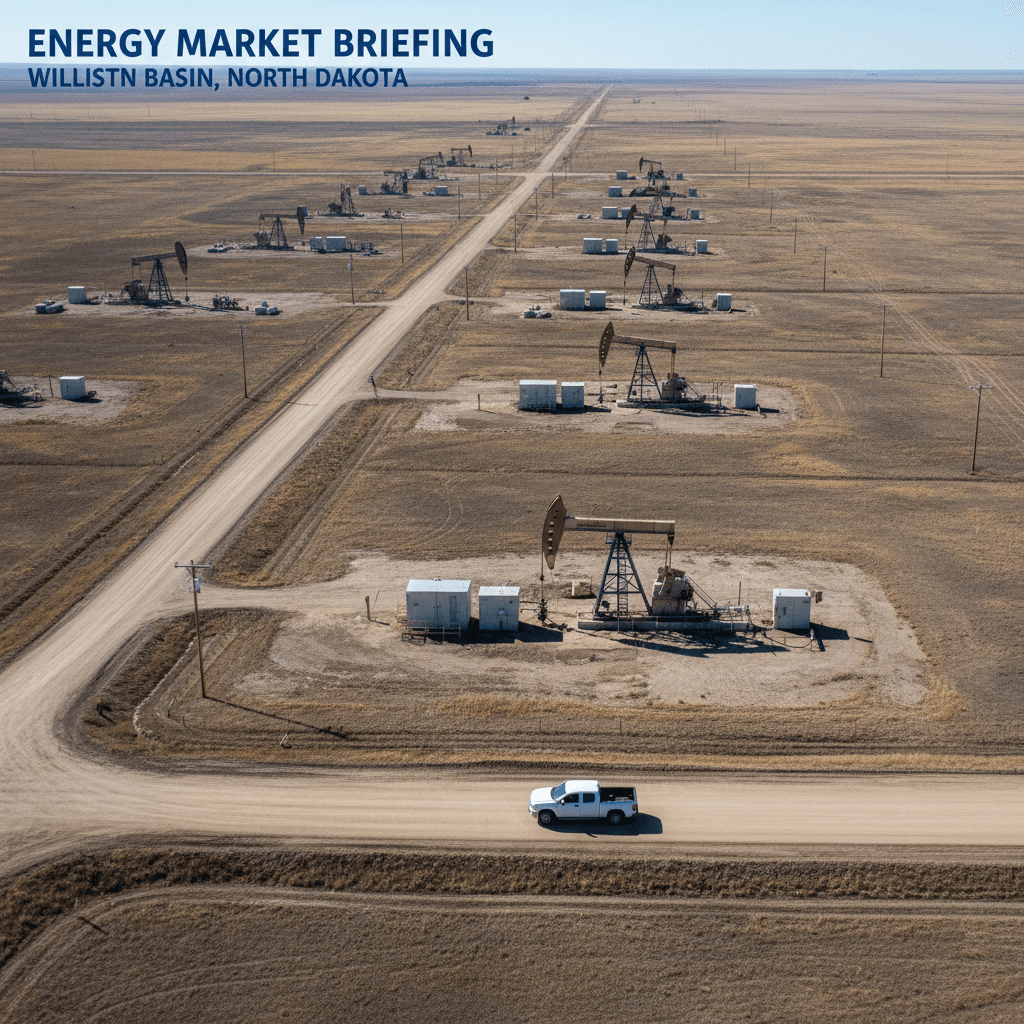
These soaring costs have direct consequences for Bakken crude flows. Asian orders for U.S. crude for November delivery fell roughly 50% in October, potentially pushing shipments to their lowest level in seven years, OilPrice.com reported. With the Williston Basin relying on pipeline and rail infrastructure to connect its light sweet crude to coastal export terminals, such a sharp decline in trans-Pacific demand could pressure local price differentials.
In response, some of the world's biggest oil traders, including Trafigura, Vitol, and Mercuria, are asking Washington for permission to put approximately 50 sanctioned tankers back to work to relieve the shortage. U.S. Energy Secretary Chris Wright said last month that Washington was exploring arrangements allowing investors to acquire and refurbish blacklisted tankers for legitimate oil cargoes. However, the report notes many blacklisted tankers are aging and would require significant work before entering service.
Compounding the pressure from shipping logistics, OPEC's crude production rose toward pre-war levels last month as Saudi Arabia led a recovery in Persian Gulf supplies, according to a Bloomberg survey published by Rigzone. Increased supply from the cartel could weigh on global benchmark prices, further squeezing margins for Bakken operators.
Separately, a global push for nuclear energy, supported by both the Trump and Biden administrations, is facing its own supply chain constraints that could influence long-term energy dynamics. According to a separate OilPrice.com report, competition over scarce enriched uranium is ramping up as countries build nuclear capacity. While the U.S. is expanding domestic enrichment, with a New Mexico facility planning to raise output by more than 50%, the report notes that 93 percent of U.S. raw uranium for nuclear fuel is imported. A shift toward more domestic nuclear power could have long-term implications for baseload power demand and energy policy, indirectly affecting the oil and gas sector.
For North Dakota producers, the immediate concerns are the tangible bottlenecks in getting crude to premium markets. The skyrocketing freight costs threaten to make U.S. crude, including Bakken barrels destined for Asia, less competitive just as OPEC moves to add more supply to the market.
Source
OilPrice.com (November 6, 2026), Rigzone/Bloomberg survey (November 7, 2026)