Global Tensions, Hurricane Isaias Inject Volatility into Oil Markets
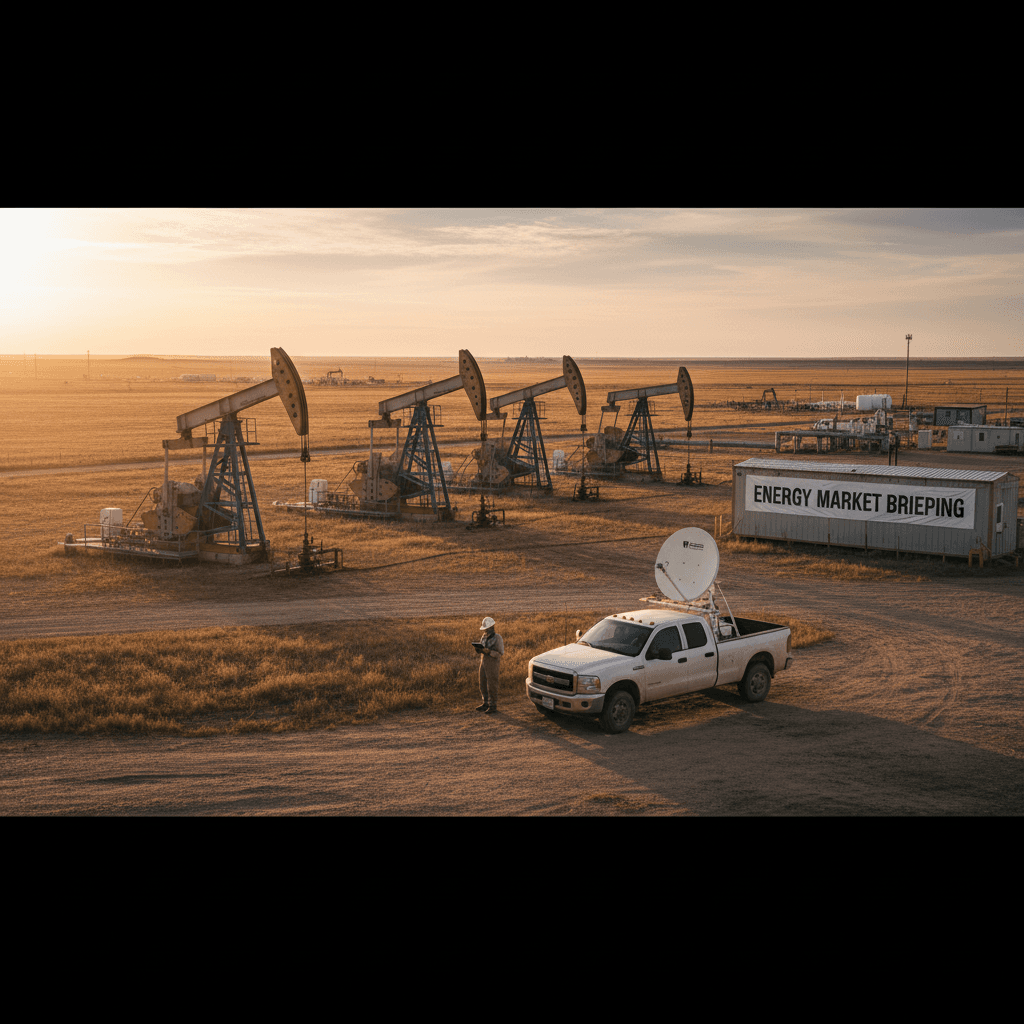
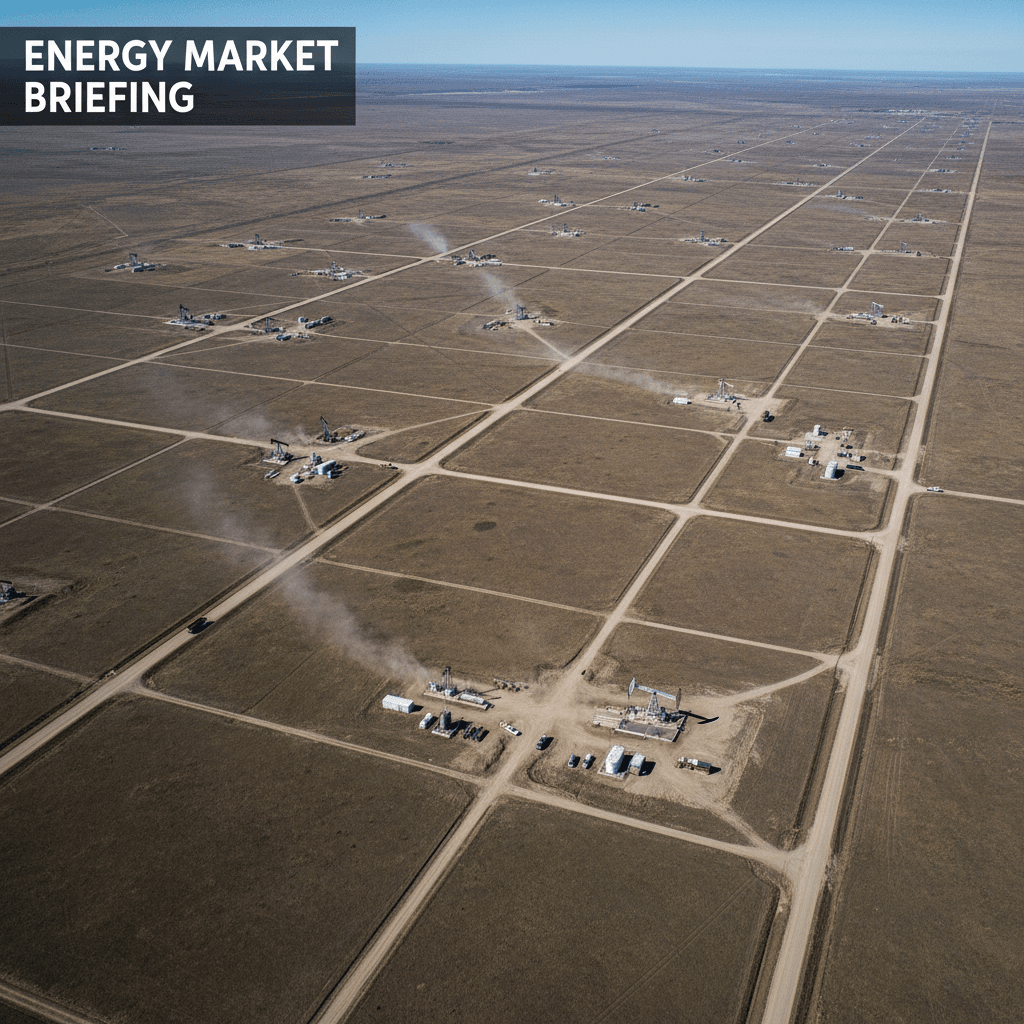
As ICE Brent crude trades near $105/bbl, Bakken operators watch geopolitical and weather risks that could swing prices.
Oil prices retreated from a high near $110 per barrel on Friday after U.S. President Donald Trump ruled out military strikes on Iran before the November 3 midterm elections, according to a report from OilPrice.com. The report attributed the price pullback, with ICE Brent trading at $105, to these de-escalating comments amid what were termed "productive discussions."
However, the security situation in key global oil transit chokepoints remains fraught. The same source reported that Iran has been striking at least one transiting tanker per day in the Strait of Hormuz for the past three weeks. Furthermore, Iran's atomic energy chief, Mohammad Eslami, stated Tehran will not abandon uranium enrichment or surrender its existing stockpile, preserving a major obstacle to negotiations.
Concurrently, Hurricane Isaias is forcing significant supply shut-ins in the U.S. Gulf of Mexico. OilPrice.com reported that offshore drillers have halted two-thirds of Gulf production, approximately 1.3 million barrels per day, as well as 57% of gas output. The potential supply loss from the storm could reach 9 million barrels.
These intersecting events create a volatile price environment critical for Bakken shale economics. Price support from Gulf production outages may be tempered by other global developments. OilPrice.com noted that China has approved around 3.7 million tonnes (29 million barrels) of refined fuel exports for October following a holiday pause, though this is below the export levels of August-September.
Other supply-side factors include the partial restart of Shell's 140,000 boe/d Pearl gas-to-liquids facility in Qatar after a six-month halt, and a Ukrainian drone strike on Gazprom Neft's 440,000 b/d Omsk refinery in Russia—the fourth such attack this month.
For North Dakota natural gas producers, the global gas picture is mixed. While Europe faces a potential winter storage squeeze, with inventories projected to fall to 29% by March, U.S. domestic production is forecast to grow. The U.S. Energy Information Administration expects U.S. natural gas output to rise by more than 3% year-on-year to 116.1 Bcf/d in 2027, outpacing demand growth.
The immediate outlook for Bakken operators hinges on whether the bullish pressure from Gulf of Mexico shut-ins and persistent Middle Eastern tensions outweighs the bearish effect of refined product exports from China and de-escalating rhetoric. All eyes are on Hurricane Isaias's path and potential damage this weekend as a key near-term price catalyst.
Source
OilPrice.com