Global Tensions, Pipeline Legacy Shape Bakken Outlook
Iran standoff pressures oil prices as Standing Rock marks 10-year anniversary with pipeline still flowing.
Global oil markets remained volatile Friday as a fragile ceasefire and closed negotiations between the U.S. and Iran continued to threaten the key Strait of Hormuz, a vital chokepoint for world crude flows. According to Rigzone, the stalemate has kept the strait effectively closed, contributing to a global energy crisis and sharp price swings.
West Texas Intermediate (WTI) crude settled near $102 a barrel on Friday, May 1, though it posted an 8% weekly gain. Brent crude traded around $110, according to the reports. Traders are weighing diplomatic signals, with Iran delivering a new talks proposal via Pakistan while U.S. President Donald Trump vowed to maintain a naval blockade of Iranian ports. Analysts warn the prolonged closure will further drain global storage and require higher prices to destroy demand.
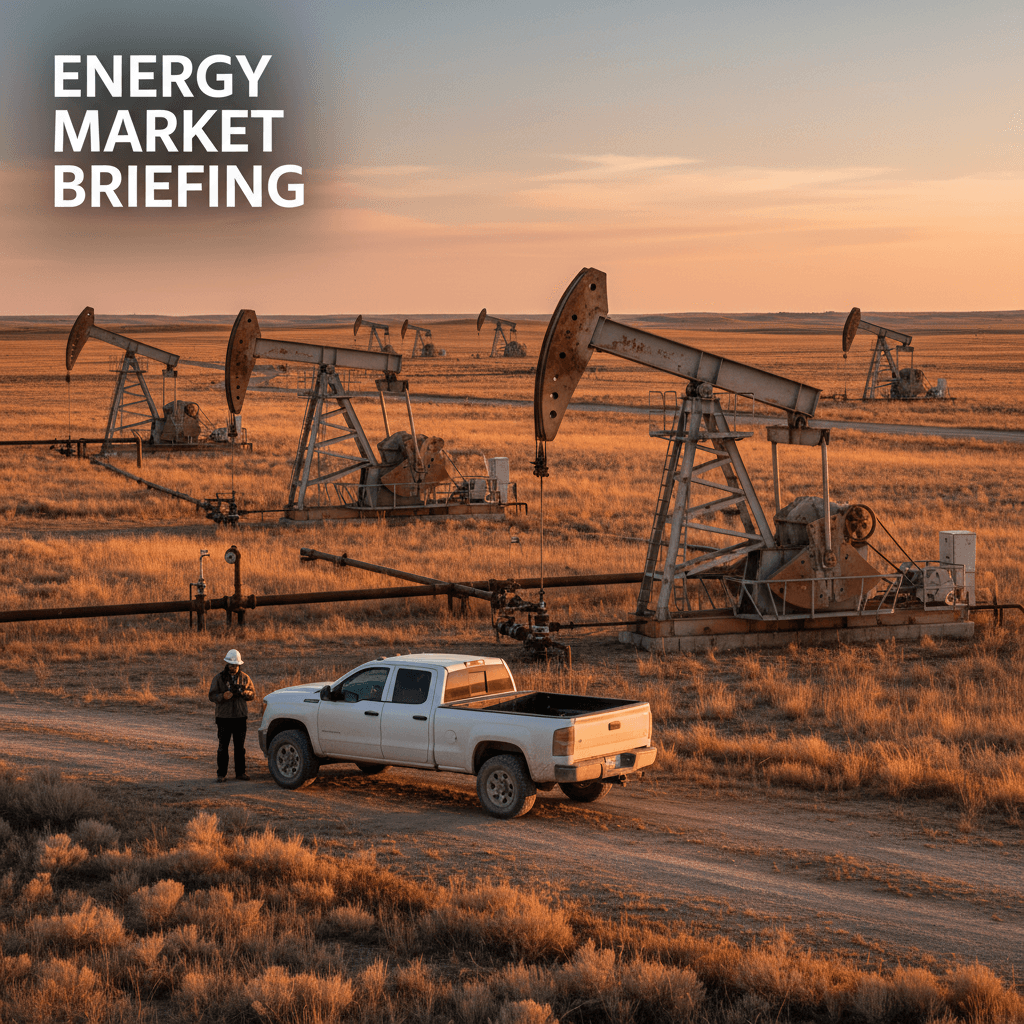
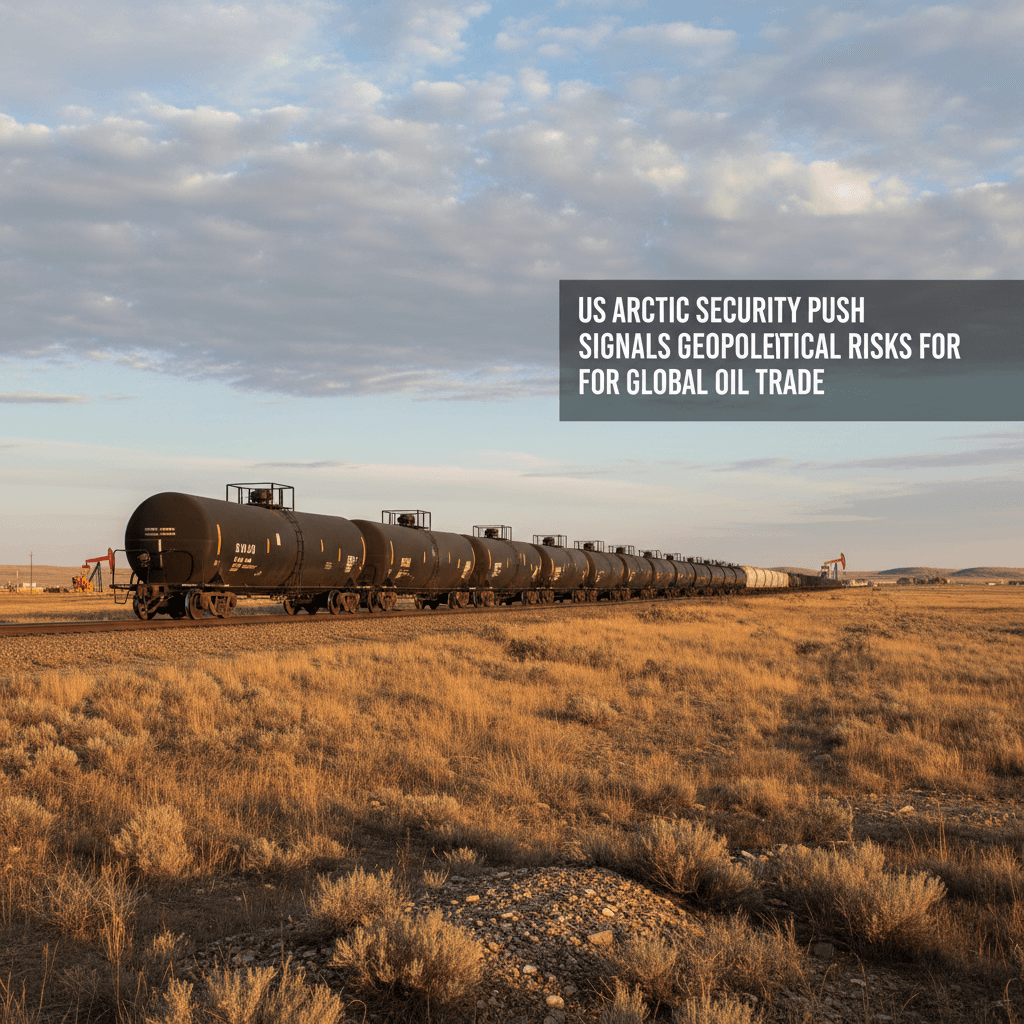
For Bakken producers, the sustained geopolitical premium supports higher price realizations for crude shipped to coastal refineries. However, the situation underscores the fragility of global supply routes. Chevron Corp. CEO Mike Wirth expressed concern about global oil supplies running dry, stating "The global energy system continues to be under extreme stress," in a CNBC interview cited by Rigzone.
Domestically, the 10th anniversary of the Standing Rock movement highlights ongoing pipeline infrastructure realities in North Dakota. According to a report from Bing News, the Dakota Access Pipeline (DAPL), which sparked nearly a year of organized resistance in 2016, continues to operate. The pipeline, owned by Energy Transfer, funnels between 500,000 and 750,000 barrels of crude oil per day from the Bakken and has plans to increase capacity to over 1 million barrels daily.
The report notes the pipeline crosses the Missouri River less than a mile from the Standing Rock Sioux Reservation. Tribal leaders marked the anniversary by vowing continued vigilance. Doug Crow Ghost, water resources director for the Standing Rock Sioux Tribe, said the tribe plans to continue challenging Energy Transfer and the Army Corps for information on the pipeline's condition and any leaks.
Janet Alkire, former tribal chairwoman, called the movement an "awakening" unseen since the Civil Rights era, with citizens from hundreds of tribes and international supporters gathering in North Dakota. While the camps were cleared and the uprising quieted, the report states the fight lives on through legal challenges and cultural memory.
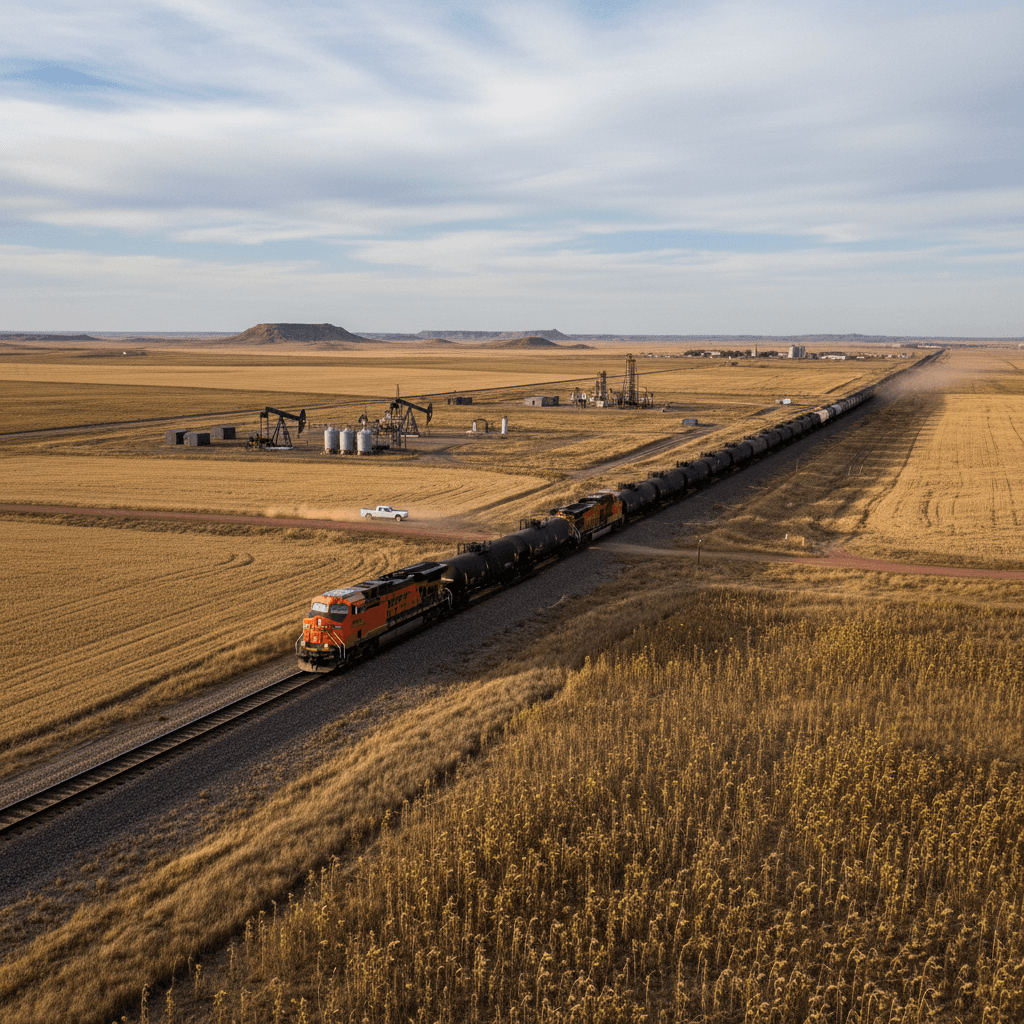
For Williston Basin operators, DAPL remains a critical outlet for Bakken crude to reach Gulf Coast markets. The pipeline's continued operation and planned expansion are central to the region's takeaway capacity, even as its legacy continues to be contested a decade later.
Source
According to reports from Bing News and Rigzone.