Global Turmoil, Strategic Shifts Shape Energy Markets
U.S. crude draws down amid Hormuz conflict as India moves to secure LPG freight and Taiwan cuts PNG LNG spot buys.
U.S. commercial crude oil inventories fell sharply by 7.2 million barrels last week, according to the U.S. Energy Information Administration (EIA). The drawdown, reported on Wednesday, brings stockpiles to 404.5 million barrels, which are now 7% below the five-year average for this time of year, according to government data reported by OilPrice.com. The decline comes amid ongoing turmoil in the Strait of Hormuz, a critical global oil chokepoint.
Crude futures surged in early trading Wednesday following U.S. and Saudi airstrikes against Iran-aligned militias in Iraq. Brent futures traded at $90.03 per barrel, up $5.94, while WTI traded at $84.77, up $5.51, OilPrice.com reported. The market reaction underscores the continued price sensitivity to Middle East supply risks, which supports the value of stable, non-OPEC production from regions like the Bakken.
In a strategic move to secure future energy imports, Indian Oil Corp. is seeking 50% ownership stakes in very large gas carriers (VLGCs) to transport more U.S. liquefied petroleum gas (LPG), OilPrice.com reported. This is a first for an Indian refiner and supports India's plan to source up to one-quarter of its LPG imports from the United States by 2027. India's push is driven by a need to diversify from the Middle East, where it sourced 90% of its 21.85 million metric tons of LPG imports in 2025. The Iran war and closure of the Strait of Hormuz earlier this year caused India's worst-ever LPG shortage, exposing freight costs as a primary constraint for U.S. cargoes.
Separately, Taiwan has suspended approximately 500,000 metric tons of spot-market LNG purchases from Papua New Guinea every six months, a move worth roughly $800 million, OilPrice.com reported. The decision follows a diplomatic dispute after PNG ordered the closure of Taipei's representative office. Taiwan will continue its long-term contract for 1.2 million metric tons of PNG LNG annually through 2030. Analysts expect the spot cargoes to be redirected to other Asian buyers with limited disruption to overall export volumes.
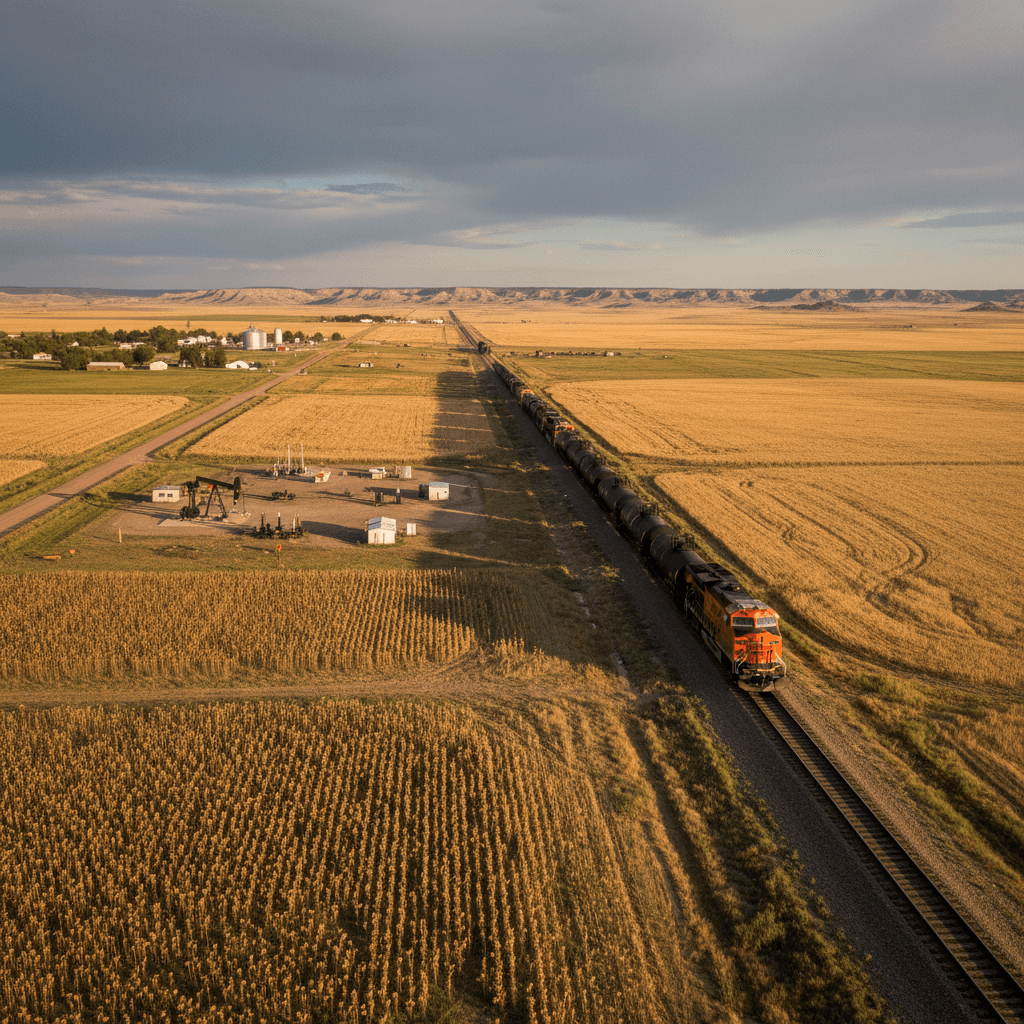
For Bakken operators, the global developments highlight competing dynamics. The drawdown in U.S. inventories and geopolitical risk premium provide near-term price support. Meanwhile, India's long-term strategic pivot to secure U.S. LPG shipping infrastructure signals a growing, stable demand corridor for American hydrocarbons, which could benefit associated gas production in the Williston Basin. The Taiwan-PNG dispute illustrates how geopolitical realignments can swiftly alter spot trade flows, reinforcing the value of long-term offtake agreements.
Source
OilPrice.com