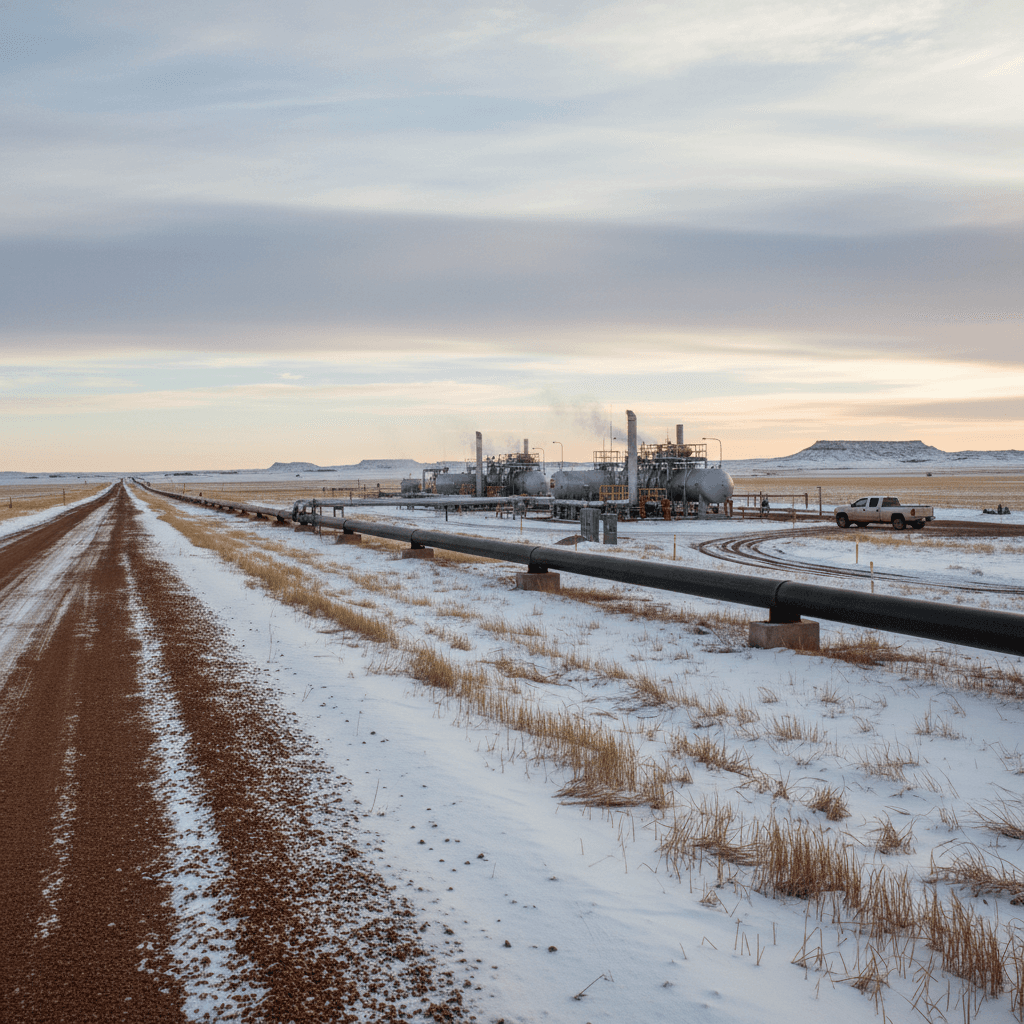
Haida Nation Sends Funds, Protesters to Dakota Access Pipeline Site
Indigenous group from British Columbia joins Standing Rock Sioux opposition to $3.8 billion Bakken oil pipeline.
Indigenous protesters from British Columbia have joined the volatile demonstrations against the Dakota Access Pipeline (DAPL) in southern North Dakota, bringing financial support and reinforcements to the Standing Rock Sioux camp. According to a CBC News report, the Council of the Haida Nation is supporting the trip of a Haida businesswoman and has sent several thousand dollars for the Sioux's legal defense fund.
Erica Ryan-Gagne, a business owner from Skidegate on Haida Gwaii, drove 30 hours with her two young children to join the protest. "Whether it's Lelu Island, Flora Banks, a liquified natural gas plant proposed at the mouth of the Skeena [River], Enbridge Northern Gateway or the Dakota Access pipeline, it's all connected. It's all big oil," she said. Ryan-Gagne characterized her participation as peaceful, bringing traditional songs and prayers to the camp.
The Dakota Access Pipeline is a $3.8 billion project designed to transport light sweet crude oil from the Bakken oil field to Illinois. Its route passes close to the Standing Rock Sioux reservation. Energy Transfer Partners is leading the project, with Enbridge spending $1.5 billion to be a part of it, according to the report.
The protest site has seen significant conflict. The CBC News report states that equipment has been vandalized, guards have used pepper spray and dogs against protesters, and the National Guard has been called in. The arrival of international protesters and financial aid underscores the escalating scale and symbolic importance of the opposition facing the critical Bakken infrastructure project.
For Bakken operators, the pipeline represents a major outlet for crude from the prolific formation. Continued protests and associated volatility pose a risk to the project's timeline and highlight the ongoing social and environmental challenges surrounding midstream development in the region. The involvement of a Canadian First Nation also illustrates how local opposition can attract broader, transnational support.
Ryan-Gagne packed her car with supplies for the camp, including jars of fish, dried medicine, cedar, sweaters, laundry soap, and batteries. She also collected American money from people on Haida Gwaii to give to camp organizers. "This is what I'm teaching my children," she said. "You don't talk about it. You do it. We've come so far, and we're standing with them."
The sustained presence of protesters at the construction site remains a focal point for tensions between energy development, tribal sovereignty, and environmental concerns in North Dakota.
Source
CBC News