India Fuel Rules, New Oil Play, Iran Tensions Drive Market Focus
A roundup of global and regional operator news impacting Bakken crude demand, competition, and prices.
India has proposed stricter vehicle fuel efficiency rules that could pressure long-term global oil demand, according to a report from OilPrice.com. The new Corporate Average Fuel Efficiency (CAFE)-III norms, released for public consultation by the Ministry of Power, are set to take effect on April 1, 2027. The rules aim to cut fuel consumption for passenger vehicles from 3.996 liters/100 km in 2027–28 to 3.327 liters/100 km by 2031–32 and lower carbon targets from 113 g/km to 76 g/km by 2032. The policy includes a credit trading system for automakers and offers regulatory benefits for flex-fuel and biofuel vehicles for the first time. While targeting India's oil import bill, such demand-side policies in major consuming nations are monitored by Bakken producers for their potential long-term impact on crude markets.
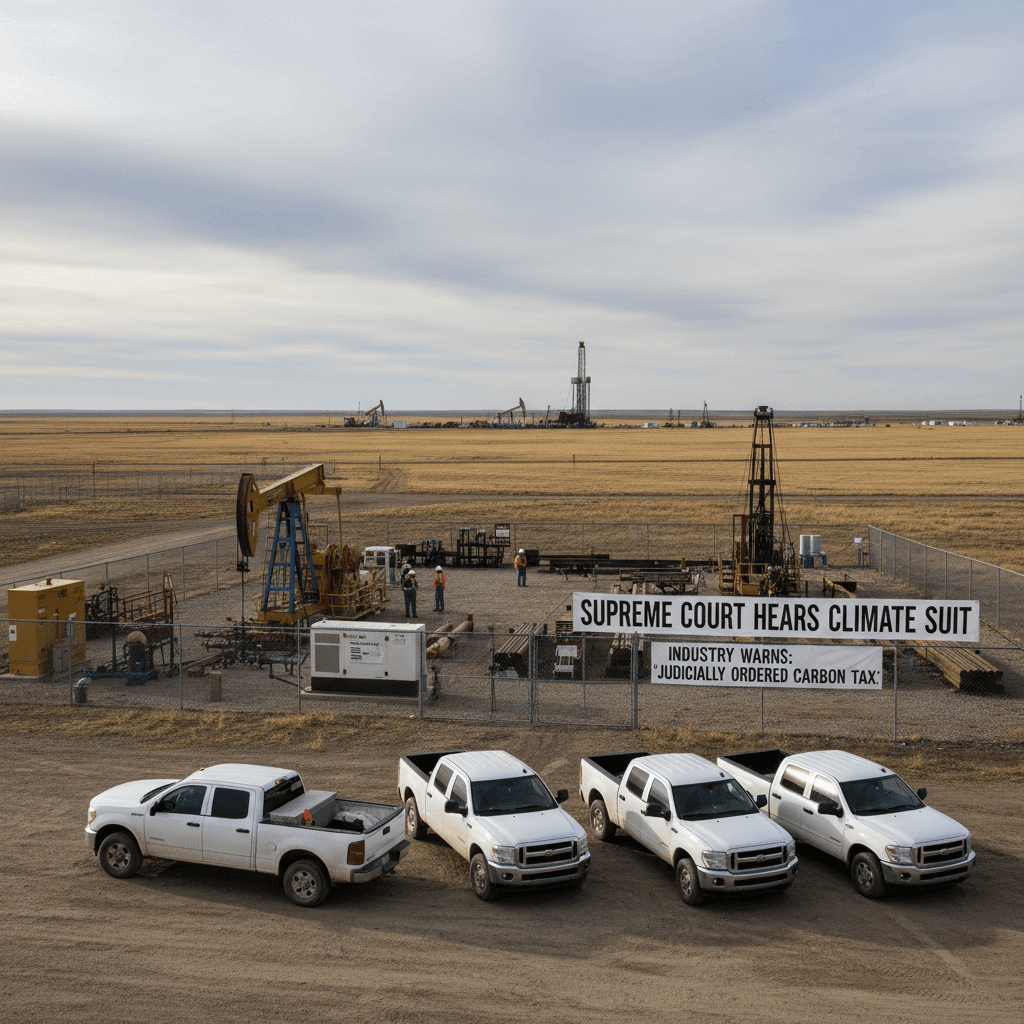
In North American shale, a previously overlooked play is seeing renewed activity, but for oil, according to Rigzone. Companies including Obsidian Energy Ltd. and Yangarra Resources Corp. are now drilling for oil in what was once considered a long-dormant gas reservoir. The reemergence of this play highlights the continuous search for new crude prospects, which can influence capital allocation and competitive dynamics within the broader shale sector, including the Bakken.
Geopolitical risk provided immediate support for oil prices this week. Rigzone reported that traders boosted bullish oil bets due to fears of a wider Iran war, as increased tensions raised risks to global energy markets. Such geopolitical premiums can provide price support for Bakken crude, directly impacting operator revenues and drilling economics in the short term.
These developments illustrate the mixed landscape facing Bakken operators: near-term price support from geopolitical instability, mid-term competition from emerging oil plays, and long-term demand questions shaped by evolving energy policies in key import nations like India.
Source
OilPrice.com, Rigzone