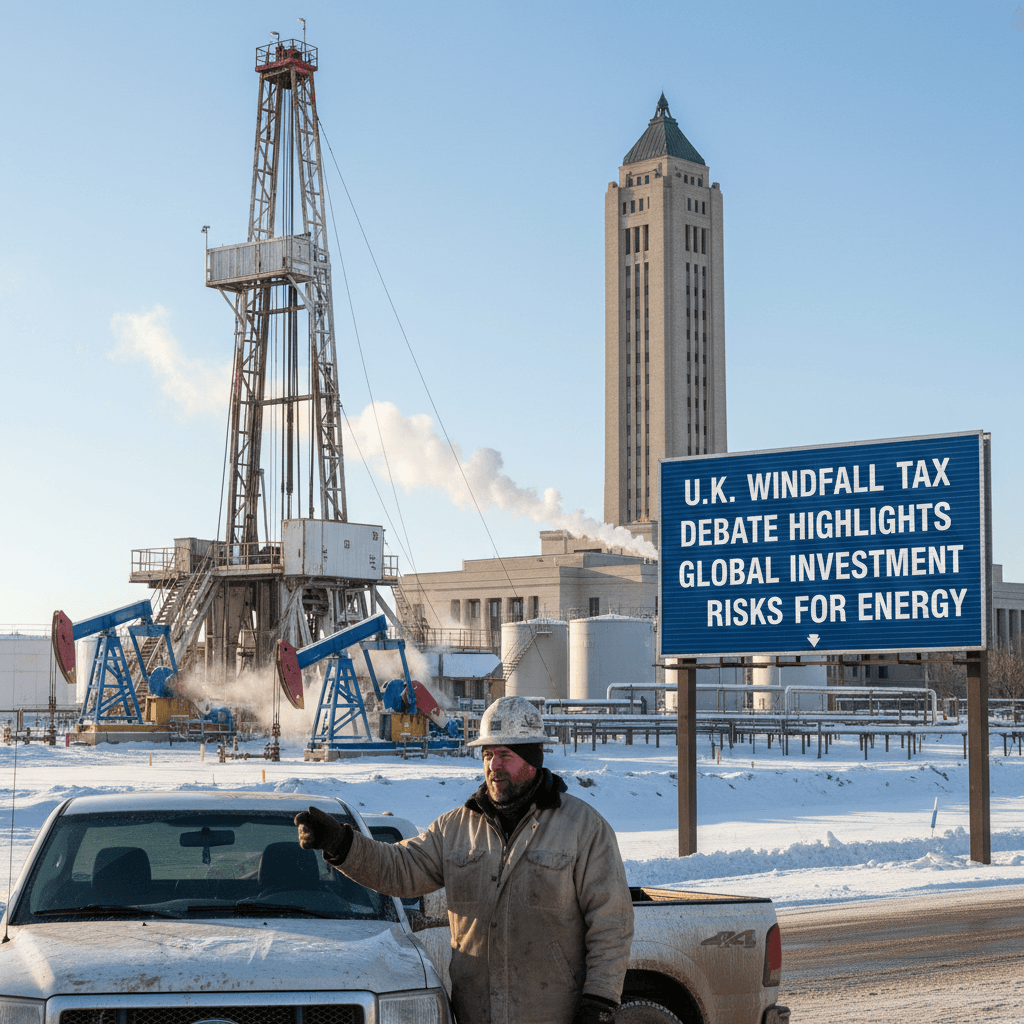
Lawmakers question permanent ND oil tax break, report says
A Bing News report says North Dakota is on pace to lose $66 million from a permanent oil tax break that lawmakers have questioned.
Bismarck, N.D. — A reported review of North Dakota’s oil tax policy has put a permanent tax break for the oil sector back in the spotlight, according to Bing News.
The headline published Monday said North Dakota is “on pace to lose out on $66M from permanent oil tax break questioned by lawmakers.” The report was described as the first in a two-part series supported by a grant from the Fund for Investigative Journalism. The summary said the second part, coming Tuesday, would compare North Dakota with other major oil-producing states.
For Bakken operators, the issue matters because North Dakota’s fiscal treatment of oil production helps shape the economics of drilling, completions and long-term development in the Williston Basin. The Bakken formation is North Dakota’s primary oil-producing region, and producers operating there face a mix of state taxes, incentives and regulatory costs that can influence whether marginal or capital-intensive projects remain attractive.
The report did not detail the mechanics of the tax break in the available headline and summary. But the phrase “permanent oil tax break” indicates a provision that continues over time, rather than a one-time incentive tied to a specific project or period. Lawmakers’ questioning of such a provision, according to the report, points to ongoing scrutiny of how North Dakota balances oil-sector competitiveness with public revenue needs.
The $66 million figure, as reported, is a revenue-loss estimate. For the state, lost tax revenue can affect budget planning, especially in years when oil prices, rig counts and production levels fluctuate. For royalty owners, the broader policy debate may matter because state tax treatment can indirectly influence operator cash flow, development pace and the value of leases in producing areas.
Bakken Wire will continue to monitor legislative discussion and any further reporting on how North Dakota’s tax provisions compare with those of other major oil-producing states.
Source
Bing News headline and summary provided in source data; URL included.