Middle East Crisis Boosts Near-Term U.S. Chemical Demand, Long-Term Competition Remains
Bakken-linked natural gas liquids gain from global polymer supply shifts, but region's low-cost producers retain long-term advantage.
The ongoing war and shipping crisis in the Middle East are creating near-term opportunities for U.S. chemicals producers, a positive signal for North Dakota's Bakken natural gas liquids (NGL) sector, according to a new industry analysis. However, the long-term cost advantage of Middle Eastern producers remains intact, setting up sustained global competition.
According to a report from OilPrice.com citing Reuters, the conflict has constrained industrial output and shipments through the Strait of Hormuz, prompting global buyers to diversify their polymer supply. This shift is benefiting U.S. chemicals companies in the near term. North America, with its secure feedstocks and ample supply, is positioned to fill some of the supply gap, according to data from International Trader Publications.
The crisis has caused significant disruptions. A United Nations analysis from August showed Middle East exports of key commodities have plunged, including a 95% slump in LNG exports and an 80% slump in methanol since April 2025. However, exports of polymers like polypropylene have been less affected, falling by 24% in the same period. Overall, the war has driven global prices for polyethylene and polypropylene up by more than 50% since March.
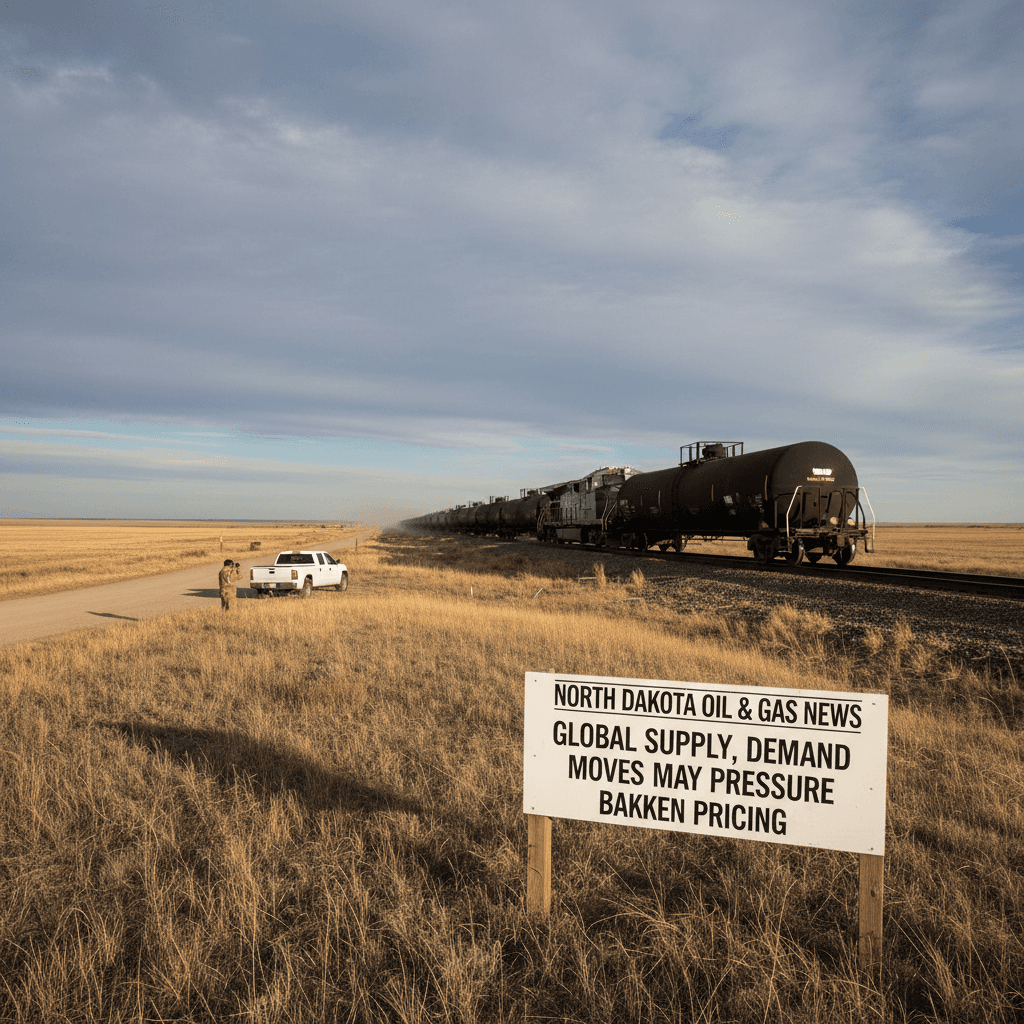
For Bakken operators, this dynamic supports demand for ethane and other NGLs that are key feedstocks for U.S. petrochemical plants producing these plastics. "Cheap and abundant feedstock amid soaring plastics prices have made U.S. chemicals producers the immediate winners," the OilPrice.com report states.
Despite the current advantage, industry analysts warn the structural edge of Middle Eastern producers is likely to persist. The region exported 18.7 million tons of polyethylene in 2025, accounting for 43% of global exports, compared to North America's 15.6 million tons. Its extensive production base and low-cost operations, fueled by abundant naphtha supply, continue to drive buyer decisions.
"Thus, the cost advantage of the Middle East remains a key driver despite the Hormuz crisis. Buyers continue to base their purchasing decisions on price," Morningstar analyst Christian Flemming told Reuters.
Many customers see their current diversification as protection against the crisis, not a permanent replacement, as low prices from the Middle East often trump supply risks. A spokesperson for chemicals giant BASF told the publication that the current bottlenecks are unlikely to reduce the long-term importance and advantage of Gulf producers in polymer markets.
The analysis suggests that while Bakken-linked feedstocks are gaining from temporary market dislocations, the region's oil and gas industry must remain cost-competitive. The enduring rivalry with Middle Eastern polymer exports will continue to influence global petrochemical investment and, by extension, long-term demand for North Dakota's NGL production.
Source
OilPrice.com report citing Reuters, International Trader Publications, and UN data, published October 17, 2026.