NATO Warns of Russian Energy Grid Attacks, Highlighting Global Risks to Oil Markets
Escalating hybrid warfare threats to European infrastructure underscore the geopolitical volatility affecting global crude prices and Bakken producers.
NATO security officials warn that Russia is actively targeting Europe's critical energy infrastructure in a hybrid war, posing significant risks to global energy markets and, by extension, North Dakota's Bakken oil producers. A senior source closely linked to the European Union's energy security complex stated that the West is in the "final phase" of a long-standing conflict with Russia, which is now testing Western resolve through attacks on energy assets, according to a report from OilPrice.com.
The source detailed that Russia is expected to launch more hybrid and direct physical attacks, primarily against gas infrastructure, electricity cables, offshore networks, and control systems. "The full array of these measures has already been used by Russia in Ukraine, so they’re ready to roll out whenever Putin wants," the source told OilPrice.com. This escalation follows a pattern of aggression dating back to a 2007 cyber-attack on Estonia, the source added.
Specific incidents underscore the tangible threat. In December 2024, the Russian shadow fleet vessel Eagle S was apprehended by Finnish authorities after severing EstLink 2, a critical electricity interconnector between Finland and Estonia. The ship was found with military-grade detection hardware, indicating a premeditated attack. Another Russian vessel, the Scanlark, was detained near Finland's Olkiluoto Nuclear Power Station for launching surveillance drones and carrying spying equipment.
Subsea electricity interconnectors and gas pipelines in the Baltic and North Seas are described as "highly vulnerable" to similar attacks, which could trigger cascading regional blackouts across Europe's interconnected grids. The E.U. Institute for Security Studies has noted several incidents since Russia's 2022 invasion where undersea energy cables were severed by Russian-affiliated vessels.
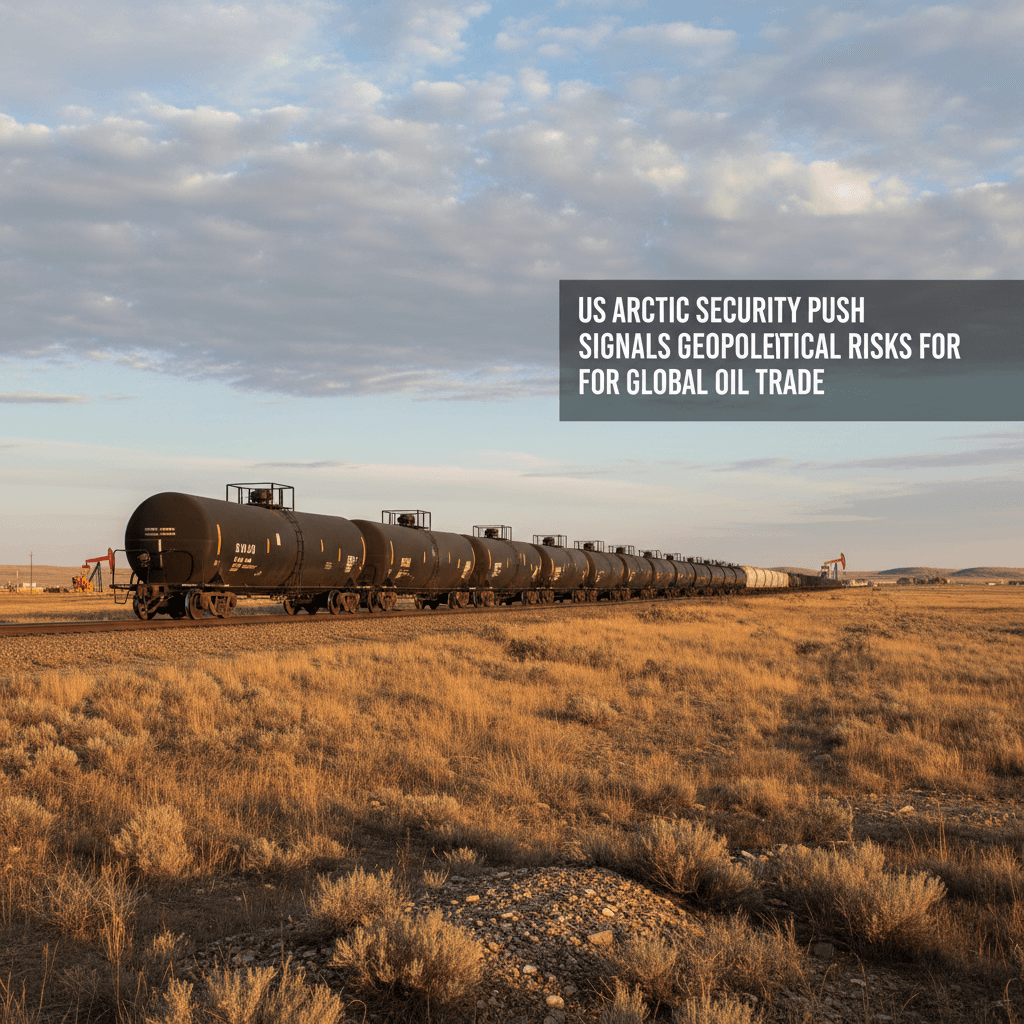
For Bakken operators and North Dakota's oil-dependent economy, this sustained geopolitical instability represents a persistent backdrop of market risk. While the report does not mention direct impacts on U.S. production, attacks on European energy infrastructure can disrupt global supply chains, influence crude oil price volatility, and affect the export competitiveness of Bakken crude. The warning highlights how security events far from North Dakota can directly influence the investment and operational planning for shale producers in the Williston Basin. The market's sensitivity to such disruptions remains a key factor for local producers monitoring global crude prices and long-term demand security.
Source
OilPrice.com