ND Marks 75 Years of Oil, Commits $500M to Gas Pipeline
As the state celebrates its modern oil industry anniversary, the Industrial Commission pledges major funding for new natural gas infrastructure.
North Dakota marks 75 years since the discovery of its modern oil industry this month, with pipelines remaining central to moving its now-million-barrel-a-day output, according to a report from Bing News. Crews first struck oil near Tioga on April 4, 1951.
Today, the state is the nation's third-largest oil producer, supporting about 63,000 jobs and generating nearly $50 billion annually. The industry contributes over $4 billion in yearly taxes and royalties, funding state infrastructure, schools, property tax relief, and the $14 billion Legacy Fund.
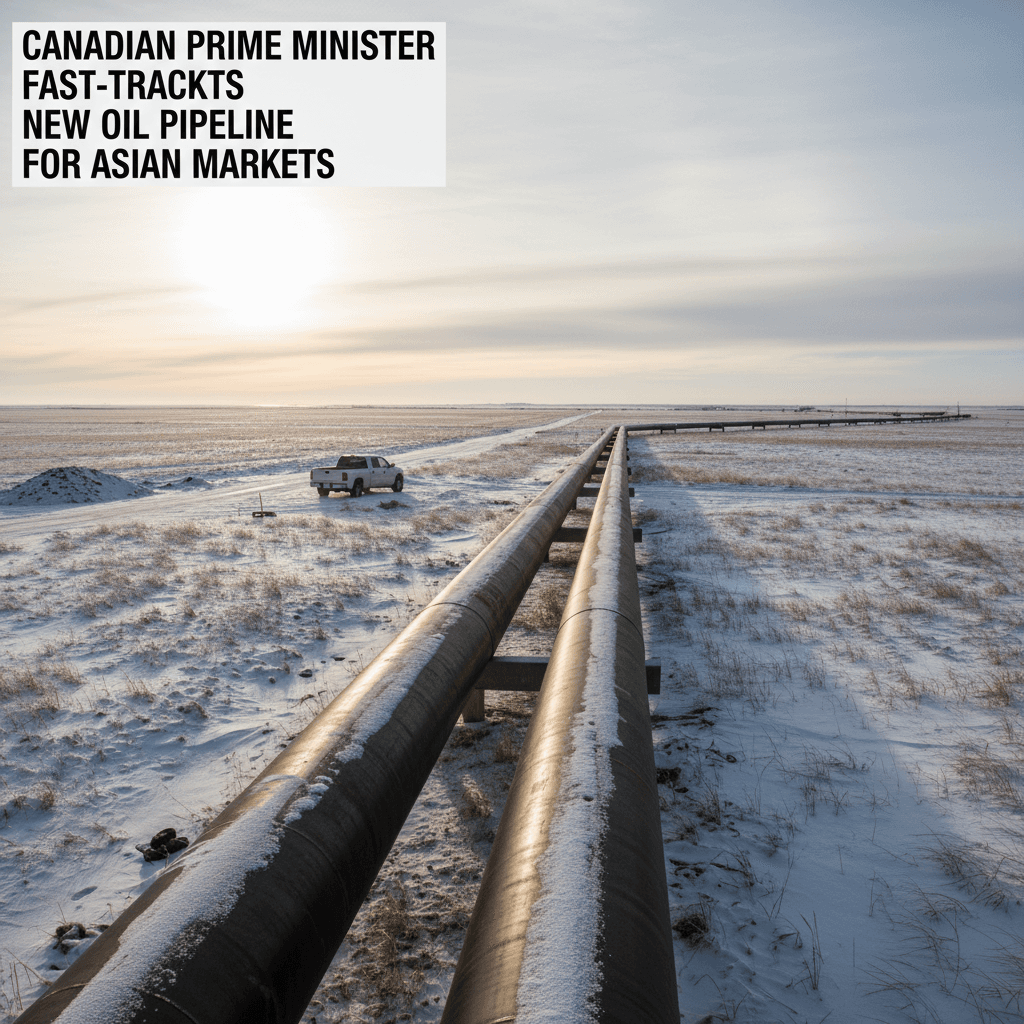
The Dakota Access Pipeline is a critical artery for this production, carrying roughly half of the state's daily output, or about 700,000 barrels per day, to refineries in Illinois and along the Gulf Coast. The pipeline's history has been politically contentious, facing a work halt in 2016 under the Obama administration before moving forward in 2017 under President Donald Trump and remaining operational during subsequent reviews.
Ron Ness, president of the North Dakota Petroleum Council, emphasized the pipeline's role. "The Dakota Access Pipeline is a vital component of energy infrastructure, not only for North Dakota’s oil production and economy, but also for broader American energy security," Ness said, according to the Bing News report. He added that it provides reliable market access for producers, reduces the need for truck or rail transport, and helps minimize supply disruptions for Gulf Coast refiners.
Ness also noted benefits for tribal nations. "Both the State of North Dakota and the MHA Nation benefit through increased tax revenues and royalty payments driven by improved pricing for Bakken oil," he said. The Mandan, Hidatsa, and Arikara Nation relies on oil and gas revenue for over 80% of its government services and uses the pipeline to move most of its oil.
Looking forward, only about 15% of known oil resources in the state are currently recoverable, a figure that could grow with new technology.
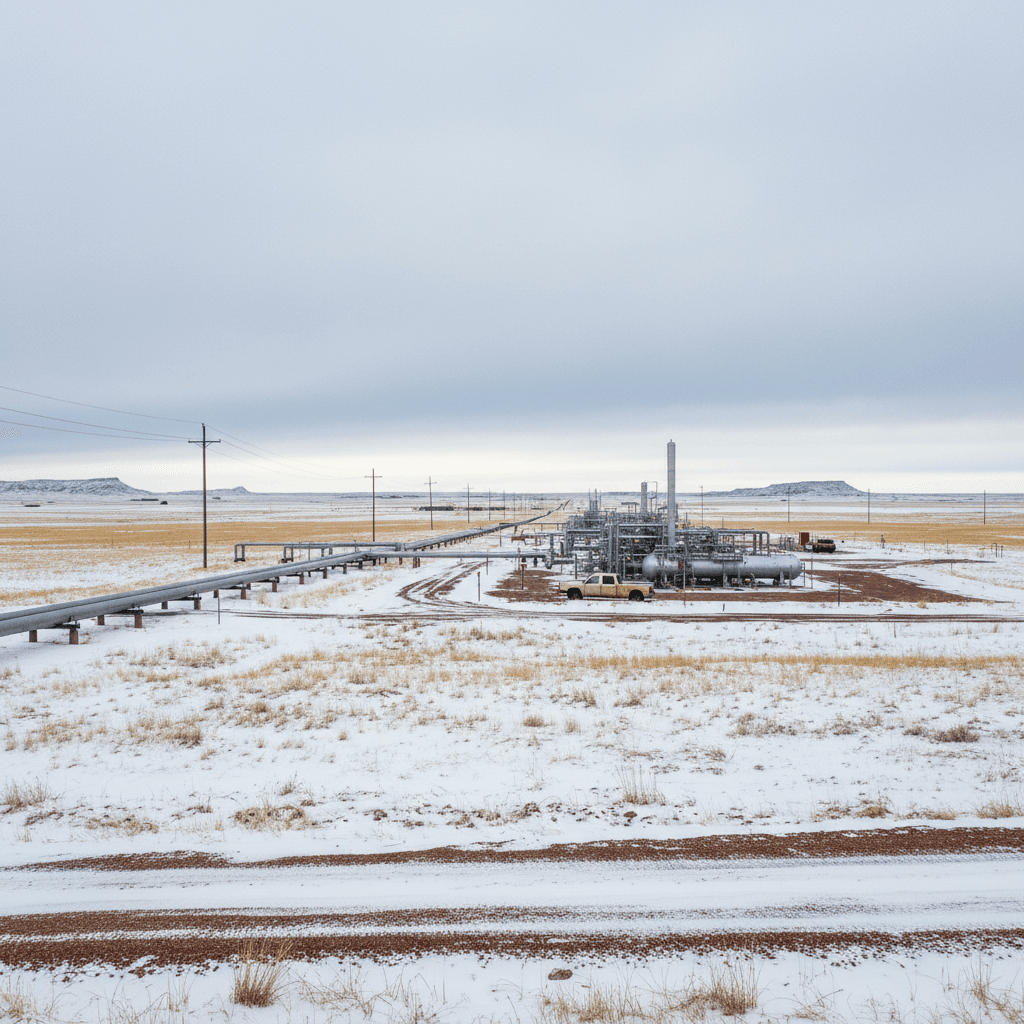
In a parallel infrastructure development, the North Dakota Industrial Commission has committed to providing up to $500 million for a natural gas pipeline project, according to a separate report from the Bismarck Tribune. This significant financial commitment underscores the state's continued focus on building out midstream capacity to support Bakken operators.
The dual focus on celebrating legacy oil infrastructure and funding new gas lines highlights the enduring economic importance of pipeline networks for North Dakota's energy sector. Efficient transportation remains key to maximizing the value of Bakken production for operators and royalty owners alike.
Source
Bing News (published April 29, 2026), Bismarck Tribune (published April 29, 2026)