ND Marks 75 Years of Oil, India Advances Nuclear in Global Energy Shift
North Dakota's industry, born from 1951 Tioga strike, now produces over 1 million barrels daily as global energy landscape evolves.
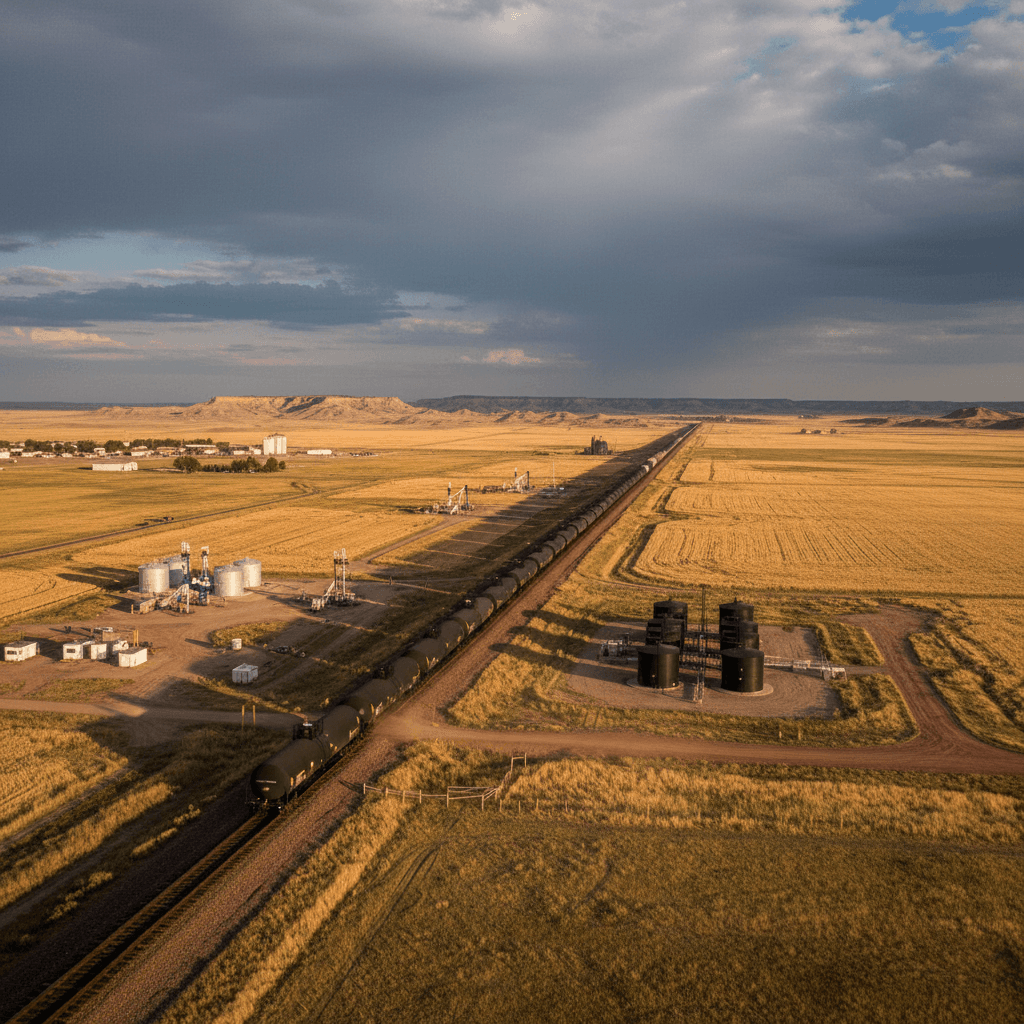
North Dakota is marking the 75th anniversary of its modern oil industry this month, a milestone that transformed the state's economy and demographics, according to a commentary in the Inforum. The Clarence Iverson #1 well near Tioga struck oil on April 4, 1951.
Today, the state produces more than a million barrels of oil every day, according to the report. The industry supports roughly 63,000 jobs and generates nearly $50 billion in annual economic impact, with over $4 billion flowing back annually in taxes, fees, and royalties.
North Dakota Petroleum Council President Ron Ness emphasized the industry's social impact. "It’s about the ability of North Dakotans to have an opportunity to live and work in North Dakota," he said, according to the source. He noted the state has flipped "from being one of the oldest states to being one of the youngest states" in the last two decades.
The technological leap since 1951 is stark. Lynn Helms, director of the Department of Mineral Resources, said it took 18 months to produce the first 1 million barrels in 1951. "Starting at midnight, the state of North Dakota produces a million barrels by 8 p.m. Every single day," Helms stated.
Geologist and NESET President Kathy Neset, a Tioga native, highlighted the state's youth as a key resource for the highly technical, globally connected modern industry.
The oil is produced from the Williston Basin, which covers much of North Dakota and extends into Canada, South Dakota, and Montana, according to a separate Bing News summary.
Globally, a significant development in alternative energy may shape long-term demand trends. India's most advanced nuclear reactor reached criticality earlier this month, according to a report from OilPrice.com. The state-of-the-art fast breeder reactor, when fully online, will be only the second commercial plant of its kind in the world and is expected to generate 500 megawatts of carbon-free electricity.
Prime Minister Narendra Modi called it "a defining step" that will allow India to use domestic thorium reserves and import less uranium. Nuclear power currently accounts for just 2% of India's energy mix, but the country aims for 100 gigawatts of capacity by 2047, up from approximately 9 gigawatts today.
As the world's third-largest energy consumer, India's pursuit of next-generation nuclear technology represents a long-term shift in the global energy portfolio, with potential implications for all hydrocarbon-producing regions like the Bakken.
Source
According to Bing News/Inforum commentary published April 11, 2026; OilPrice.com report published April 10, 2026; and a Bing News summary published April1637 10, 2026.

