NJ Governor Moves Against Russian Diesel Allowed by Trump
State-level warning to ports shows how fuel-import policy can split between Washington and coastal logistics, affecting Bakken diesel and crude markets.
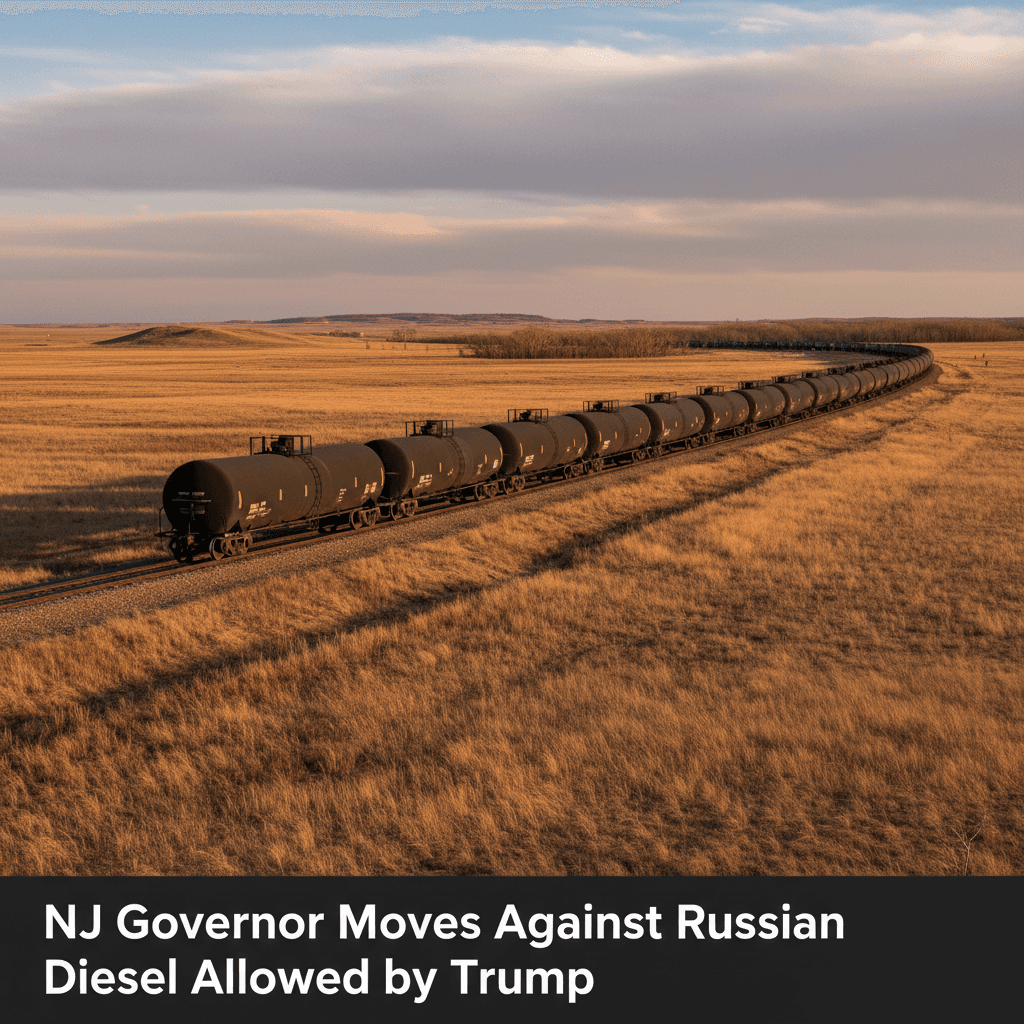
New Jersey Gov. Mikie Sherrill has warned port and terminal operators against accepting Russian diesel shipments authorized by the Trump administration, according to Rigzone. The report, published Nov. 3, 2026, frames the issue as a state response to a federal allowance for imported diesel.
For Bakken operators, the development matters because diesel is a central product in the U.S. refining system, and refining activity is one of the main channels through which global fuel markets reach North Dakota crude. Producers in the Williston Basin do not sell Russian diesel, but they sell oil into a market shaped by product demand, refinery utilization, import flows and logistics bottlenecks.
The Bakken formation is North Dakota’s primary oil-producing region, and many wells are sensitive to the spread between Brent and West Texas Intermediate, regional basis and the strength of middle distillate markets. If imported diesel is allowed but faces port-level resistance, the result could be a more fragmented national fuel supply picture. That fragmentation can influence how refiners manage crude intake, whether they adjust run rates and how product inventories move between regions.
The effect on Bakken producers is indirect, but it can show up in crude demand. Refineries that rely on product margins may become more cautious about operating levels if imported supply is uncertain or if coastal terminals face competing federal and state pressures. Conversely, if imported diesel is limited by state action, domestic refiners and East Coast supply chains may need to adjust crude sourcing or product distribution.
For royalty owners, the key point is that policy disputes over imported fuels can affect the market environment behind wellhead prices. Royalty checks depend on production volumes and realized prices, and those prices are set by regional and global conditions. A split between federal trade policy and state port enforcement adds another variable to an already complex market.
The episode also shows that U.S. energy policy is not executed only through federal announcements. Ports, terminals, state officials and fuel distributors can influence whether imported product moves efficiently. For Bakken operators, that means global markets impact North Dakota not only through oil prices, but through the rules and friction points governing fuel supply.
Source
Rigzone